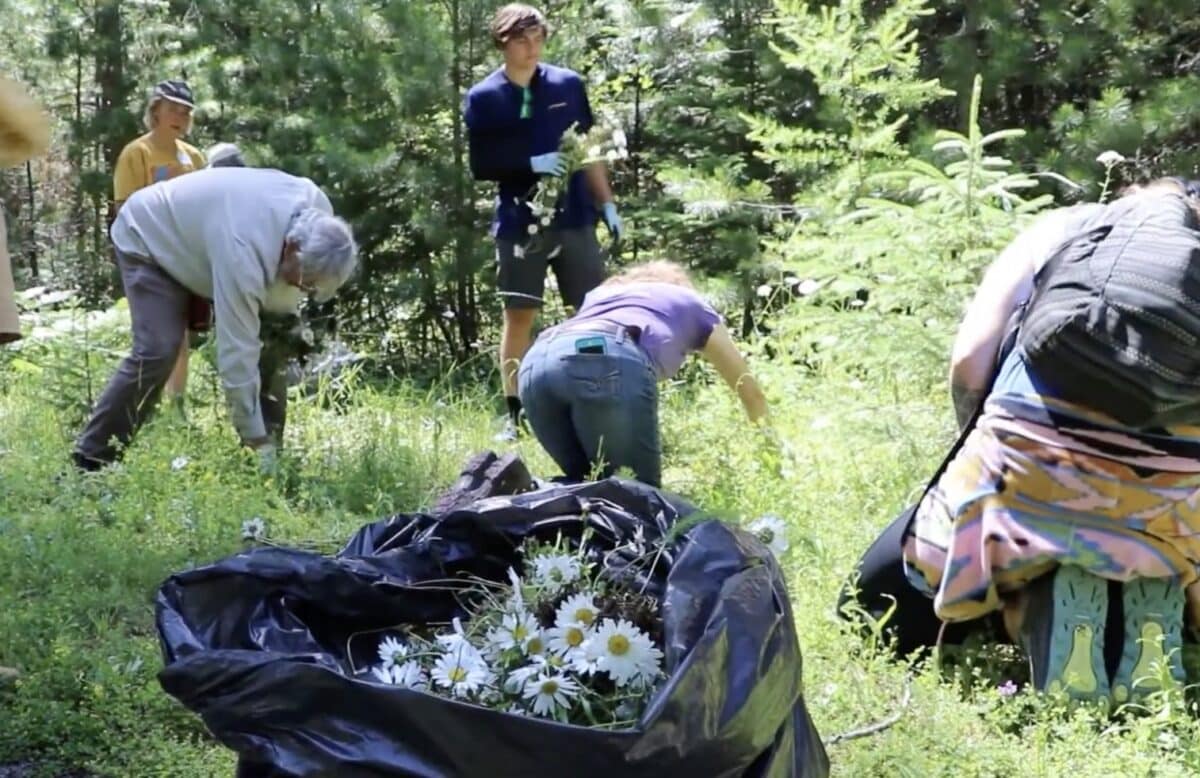
The Crown of the Continent Research Learning Center and Glacier National Park are inviting volunteers for a day of hands-on learning during the 16th Annual Noxious Weed Blitz on July 9, 2026. The event will take place from 10:00am-3:00pm in West Glacier.
“Weed Wranglers wanted to target five invasive species.” –Glacier National Park
Glacier National Park’s Invasive Plant Management Program manages non-native invasive plants that displace native flora, interrupt ecological processes, or degrade natural scenery. Most infestations of invasive plants in Glacier are closely correlated to disturbed areas such as roadsides, recreational areas and construction sites. However, backcountry trails also provide a corridor for invasive plants to spread. Monitoring the spread of invasive plants along Glacier’s more than 700 miles of backcountry trails is a difficult task and the publics help is much appreciated by park staff.
Participants will join Vegetation and Integrated Pest Management Biologist Dawn LaFleur to learn about the ecological impacts of noxious weeds and how to identify and remove five targeted invasive plant species.
“Bring your muscles, gloves, appropriate footwear, sun hats, sunscreen, and drinking water.” -Biologist Dawn LaFleur
Glacier National Park Conservancy will provide a complimentary lunch to this year’s “Weed Warriors.” The event is free and open to the public. To register, RSVP by July 2, 2026, by emailing e-mail us or by calling (406)888-7986. Once registered, participants will receive specific details about meeting location and parking.
About Nonnative Plants @ Glacier National Park:
At least 127 nonnative species of plants have either invaded or been deliberately introduced into the park. Currently, over 800 sites of nuisance plant infestations impacting more than 2,500 acres have been discovered. Routine monitoring by park biologists regularly reveals new infestations. Eighteen species of exotics plants are of sufficient concern to be targeted for control measures. The North Fork prairies are threatened by leafy spurge and yellow toadflax. Without the natural limitations of their original environment, exotic plants often tend to be highly prolific and develop a monoculture that is difficult or impossible to displace. Leafy spurge, for example, has a deep root system which is difficult to kill with even the most powerful chemicals.
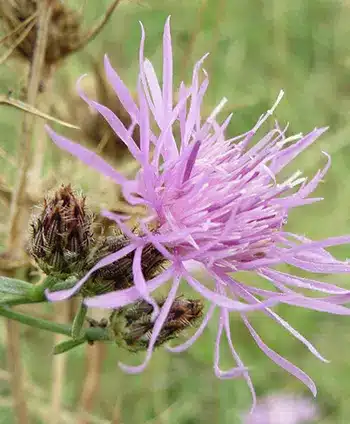
Spotted knapweed and ox-eye daisy have invaded disturbed areas throughout the park. Common timothy and other exotic grasses were introduced intentionally for horse grazing and unauthorized grazing of other stock within the park has spread nonnative weeds as well. Control measures have been only partially successful in slowing the spread of these infestations. Biodiversity among native plants is seriously threatened and only a major sustained effort will restore some of these systems.