

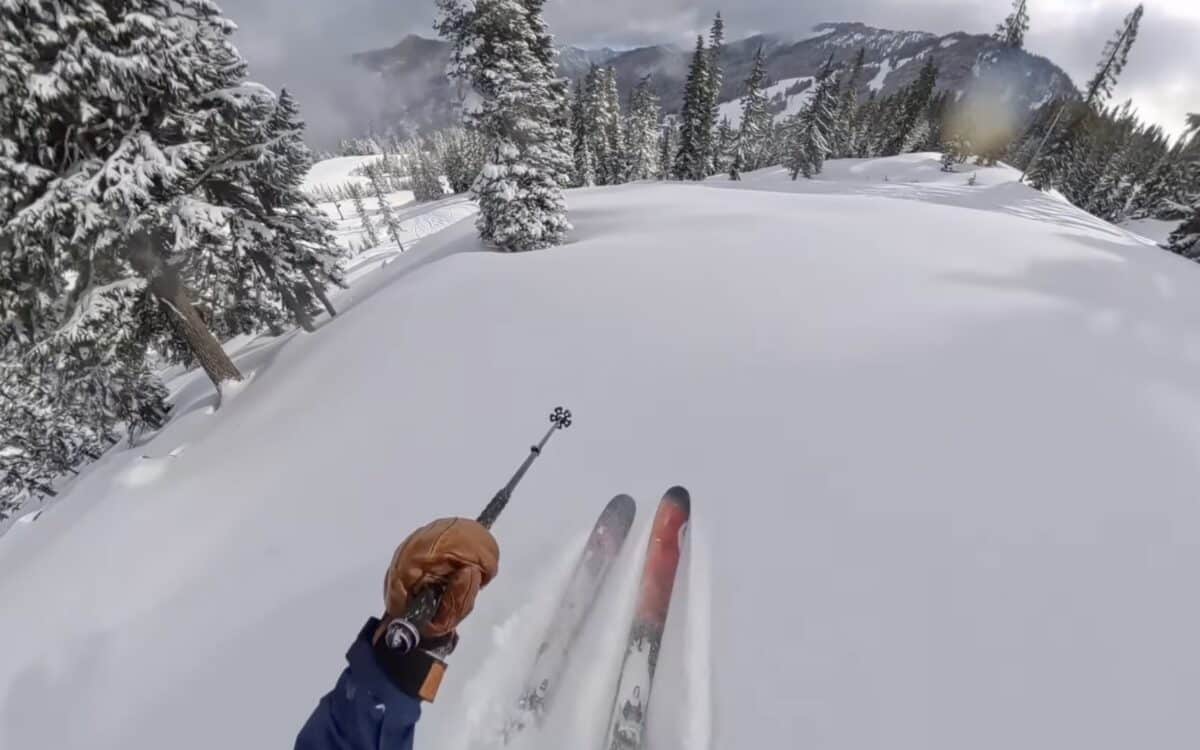
Not all snow is created equal, and British Columbia-based ski content creator Rise & Alpine wants to make sure you know the difference. In a recent video, the skiing YouTuber broke down several different types of snow that skiers and snowboarders will actually encounter on the mountain, ranging from the dreamy to the full blown dangerous.
At the top of the list is powder, which he splits into blower powder, the ultra-low-density, weightless variety found in Japan, Colorado, Utah, and interior British Columbia, and standard powder, which covers most run-of-the-mill powder days. Packed powder comes next, ranging from what he calls hero snow, grippy and forgiving, to clapped-out chop that is hard on the knees.
From there things get progressively rougher. Crud is destroyed powder that requires aggression to ski. Wet snow, sometimes called Sierra cement or coastal concrete, is heavy and slow. Machine-groomed corduroy tends to be well beloved by all ability levels on a sunny morning. Hard pack is firm but skiable for those with sharp edges. Of course ice is the East Coast staple, but boilerplate is the truly unforgiving, skating-rink variety that even skilled skiers dread.
Rise & Alpine points toward breakable crust as the most dangerous snow type of all. It looks fresh but will throw you to the ground without warning and, in his words, is ACL-tearing style snow. On the more favorable end, wind-buffed snow and spring corn finish off the list as conditions that can transform an otherwise icy mountain into a surprisingly fun day. Make sure you give the full breakdown a watch before the start of next season.