

.jpg)
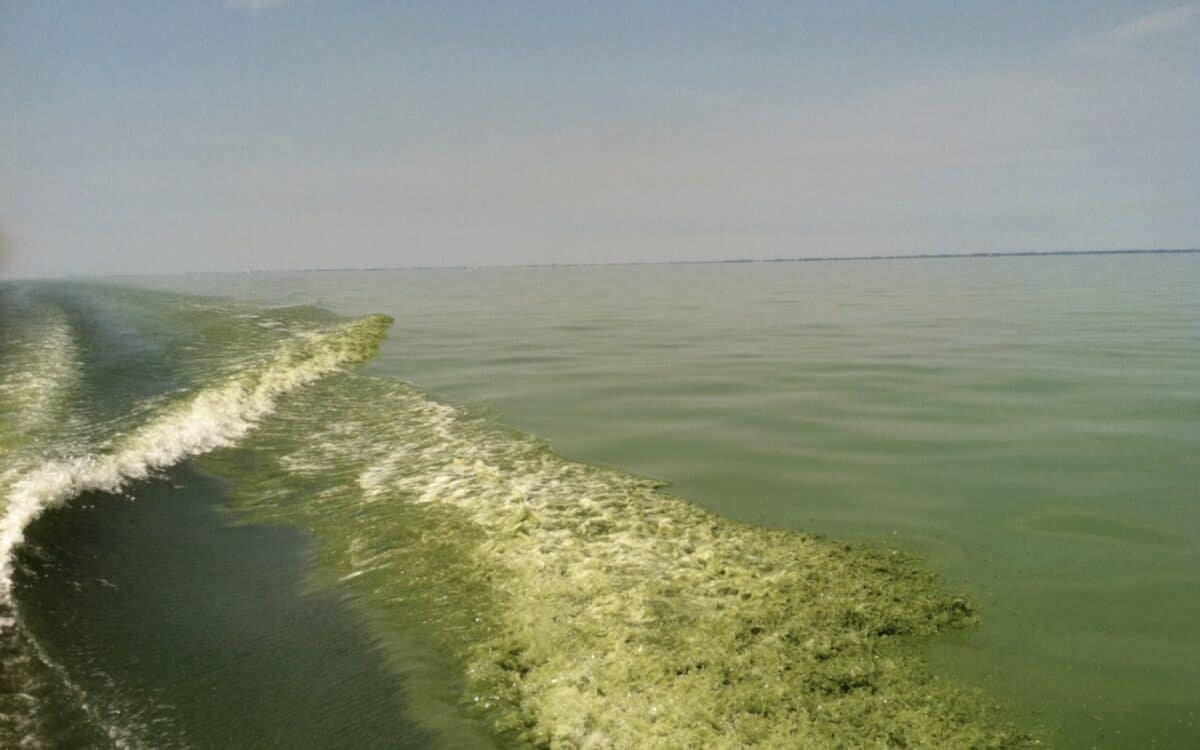
Federal forecasters are warning of a moderate harmful algal bloom in western Lake Erie this summer, with the bloom expected to score 3.5 on the HAB severity index and a potential range of 3 to 4.5.
NOAA and its research partners who use the severity index to measure a bloom’s biomass during the peak 30 days of activity. Blooms scoring between 3 and 5 are classified as moderate, while anything above 5 is considered severe. Scores above 7 indicate particularly dangerous conditions with extensive scum formation and persistent coverage across the lake.
NOAA expects a visible bloom to appear by mid-July, with most activity concentrated in the lake’s western basin. The central basin typically remains unaffected until later in the season though localized blooms can develop near river outflows following summer rainstorms. The bloom’s duration will depend on high wind frequency in September, which forecasters cannot predict this far in advance.
The primary concern with Lake Erie blooms is cyanobacteria, commonly known as blue-green algae. These organisms are capable of producing microcystin, a liver toxin that poses risks to both human and wildlife health. Blooms of this type can force municipalities to increase drinking water treatment and prompt beach closures along affected shorelines.
Bloom size does not directly correlate with toxicity. Each event differs in terms of scale, toxic output, and community impact, and NOAA continues to develop tools aimed at predicting toxicity levels more precisely.
“Toxic algae affect not only the health of people and Great Lakes ecosystems, but they can negatively impact local and regional economies by preventing people from fishing, swimming, boating and visiting the shoreline.” – Nicole LeBoeuf, assistant administrator for NOAA’s National Ocean Service.
NOAA plans to issue an updated seasonal forecast in late July based on observed nutrient loads from the Maumee River watershed. Real-time bloom forecasts, including 5-day outlooks, are available through NOAA’s National Centers for Coastal Ocean Science.