
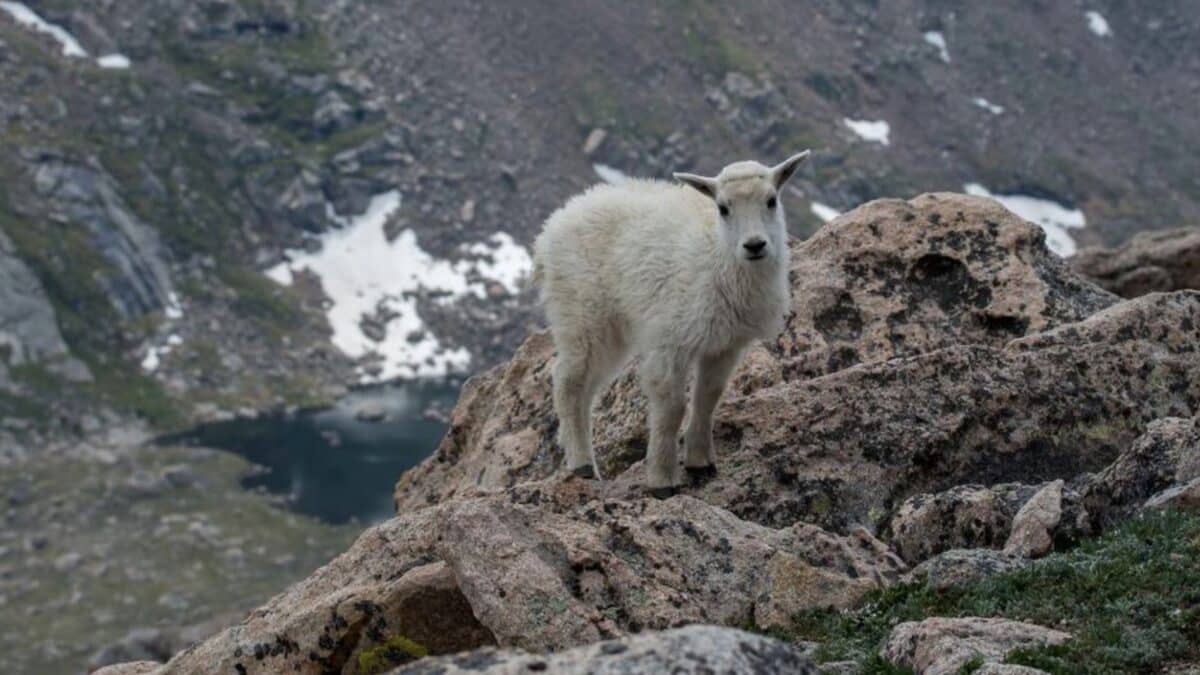
Spring is prime time for wildlife activity across Colorado, and state officials are urging the public to resist the urge to intervene when encountering young animals in the wild.
Colorado Parks and Wildlife (CPW) says this time of year brings a surge in calls and office visits from well-meaning people who believe they are helping young animals by picking them up, bringing them to wildlife offices, or taking them home. In most cases, those people are doing more harm than good.
“In almost every case, picking up baby wildlife is the wrong thing to do. When you incorrectly handle young wildlife, you can transfer your scent to the animal. Our smell can cause a mother to fail to recognize her own baby, leading to true abandonment of healthy offspring.” – District Wildlife Manager Drew Vrbenec.
Many species are nesting, birthing young, or emerging from hibernation right now. Bears, deer, elk, moose, foxes, rabbits, raccoons, bats, and numerous bird species will be increasingly visible in backyards, open spaces, and on trails throughout the state.
CPW officials stress that feeding wildlife is also illegal under Colorado law and can cause animals to become sick and die. Violators are subject to fines.
Beyond the risks to animals, wildlife can pose real dangers to humans. Elk, moose, and birds may become aggressive when defending their young. Contact with wildlife also carries the risk of exposure to rabies, Salmonella, fleas, ticks, and other parasites or pathogens.
CPW offers the following guidance for anyone who encounters young wildlife:
- Do not feed or approach young animals
- Keep dogs leashed on trails
- Keep cats indoors to protect ground-level birds
- Observe wildlife from a safe distance and move on
- If an animal appears sick or injured, call your local CPW office rather than intervening
If you find a nestling bird that has fallen from a visible and reachable nest, it is acceptable to return it while wearing gloves and a mask. A fledgling bird found on the ground should be left alone, as its parents will continue to care for it.
For more information, visit cpw.state.co.us/living-wildlife.