

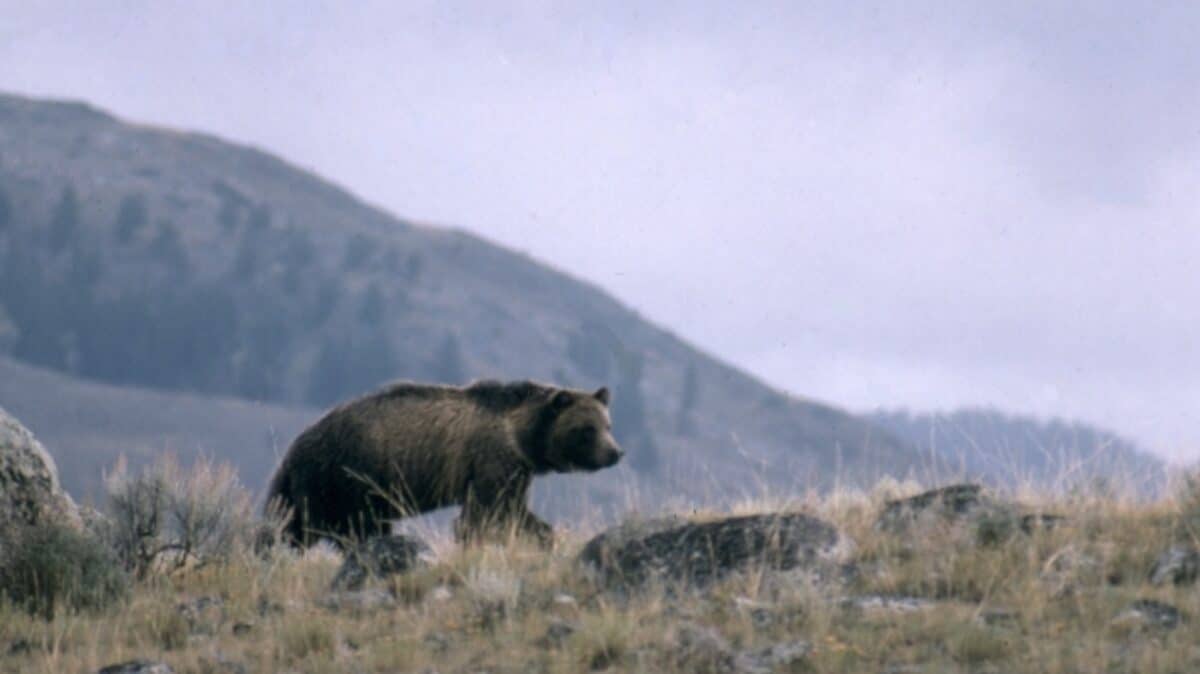
Spring has arrived in Grand Teton National Park, and that means bears are up, moving around, and actively looking for food. Snow on the trails is not a sign they are still sleeping. They are not.
Spotting a bear in the wild can truly be an unforgettable moment, but park officials want to make sure those encounters only occur in safe situations from a safe distance. Accidentally attracting one to your campsite or trailhead snack bag rarely ends well for bears, so make sure you secure all food and garbage.
When bears get rewarded with human food, even once, they tend to come back for more. That pattern can put other visitors at risk and often leads to the animal being killed. It’s an awful outcome that is almost entirely preventable.
Staying bear aware is vital for a visit to bear territory. Stay alert and hike in groups, making enough noise that bears know you are coming. Give wildlife plenty of room and never approach for a better photo. Keep all food, trash, and scented items secured and attended at all times. Respect any wildlife closures you encounter. And carry bear spray, not just in your pack but accessible, and know how to use it before you need it.
Make sure you read up on safety in bear country before a visit to Grand Teton National Park, or any national park with bears, for that matter. All odorous items, whether it’s trash, food, or sunscreen, must be stored in a bear-resistant food storage locker or a hard-sided vehicle with doors locked and windows closed, day and night. These items should never been stored in tents, sleeping bags, or soft-sided vehicles.
Grand Teton provides plenty of information on bear safety both online and in person. You can make sure you’re up to date with bear safety in the Wyoming park over on their website.