

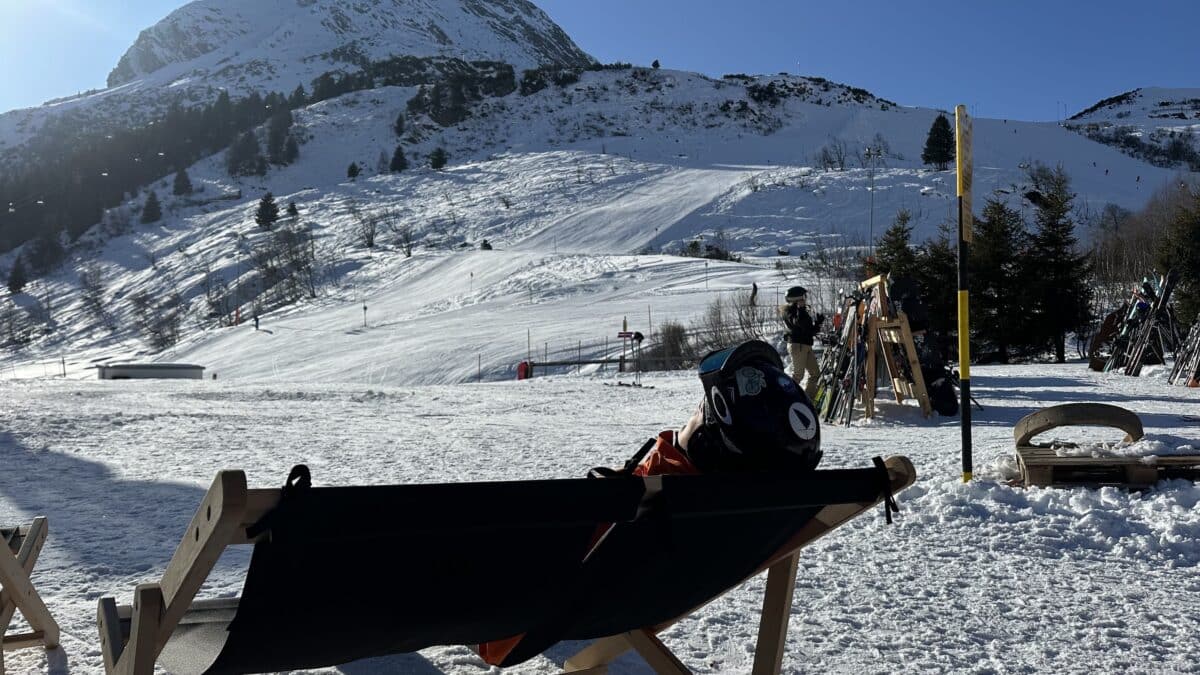
Sunscreen might be one of the last things on your mind when getting ready for a day of skiing or snowboarding. Between checking the weather, waxing your skis, and making sure you have all your gear, protecting your skin can easily get overlooked. But spending hours outside on a snowy mountain can expose your skin to surprisingly high levels of ultraviolet (UV) radiation, making sunscreen just as important in the winter as it is during the summer.
Why Sunscreen Matters In The Mountains
One of the biggest misconceptions about winter recreation is that cold temperatures and cloudy skies mean there’s little risk of sunburn. In reality skiing and snowboarding can expose you to particularly intense UV radiation.
According to the Wyoming Academy of Dermatology, UV intensity increases by approximately 4-5% for every 1,000 feet gained in elevation. Snow also reflects up to 80% of UV radiation meaning your skin can receive exposure from both the sun above and the snow beneath you.
Most people who ski consistently have experienced the brutal reality of a winter sunburn. Maybe it was a sunny day and you risked it for the goggle tan, winding up with a painful red face instead. Or maybe it was cloudy and the temperatures were low, and you thought there was no chance of getting burnt. In either case, sunscreen is absolutely necessary.
Repeated UV exposure can contribute to premature skin aging, wrinkles, and skin cancer, including melanoma. Areas like the nose, cheeks, chin, ears, and neck are particularly vulnerable because they often remain exposed throughout the day.
How To Protect Yourself
Fortunately protecting your skin doesn’t require much effort. Dermatologists recommend using a broad-spectrum sunscreen with an SPF of at least 30 before heading outside. Apply it generously to exposed areas, including your face, ears, neck, and underneath your chin.
Water-resistant sunscreen is particularly useful for skiing and snowboarding where sweating and contact with snow can wear away protection. Reapplication every two hours is recommended, so keeping a small bottle in your jacket is a good idea.
I’ve forgotten my sunscreen plenty of times, and I’ve wound up burnt just about every time. We’ve all seen the guy with the brutally burnt face in the lodge. You don’t want to be that guy.
Don’t forget your lips, either. UV-protective lip balm with SPF 30 or higher can help prevent painful, sun-damaged lips. Wearing UV-protective goggles and covering exposed skin with appropriate clothing also adds another layer of protection.
Make sure you bring sunscreen with you to the mountain. If you can, throw a small bottle in your pocket or backpack so you can reapply throughout the day. It’s an easy thing to do and can literally be a lifesaver.