Grand Teton National Park is home to a wide variety of wildlife, including a healthy population of grizzly bears. Grizzlies thrive in the various ecosystems that make up Grand Teton and can be found in all areas of the park.
Grizzlies are wild animals and while most will try to avoid humans, there are inevitable instances when the cross paths with visitors especially near roadways like the world famous 42 mile outer loop scenic drive.
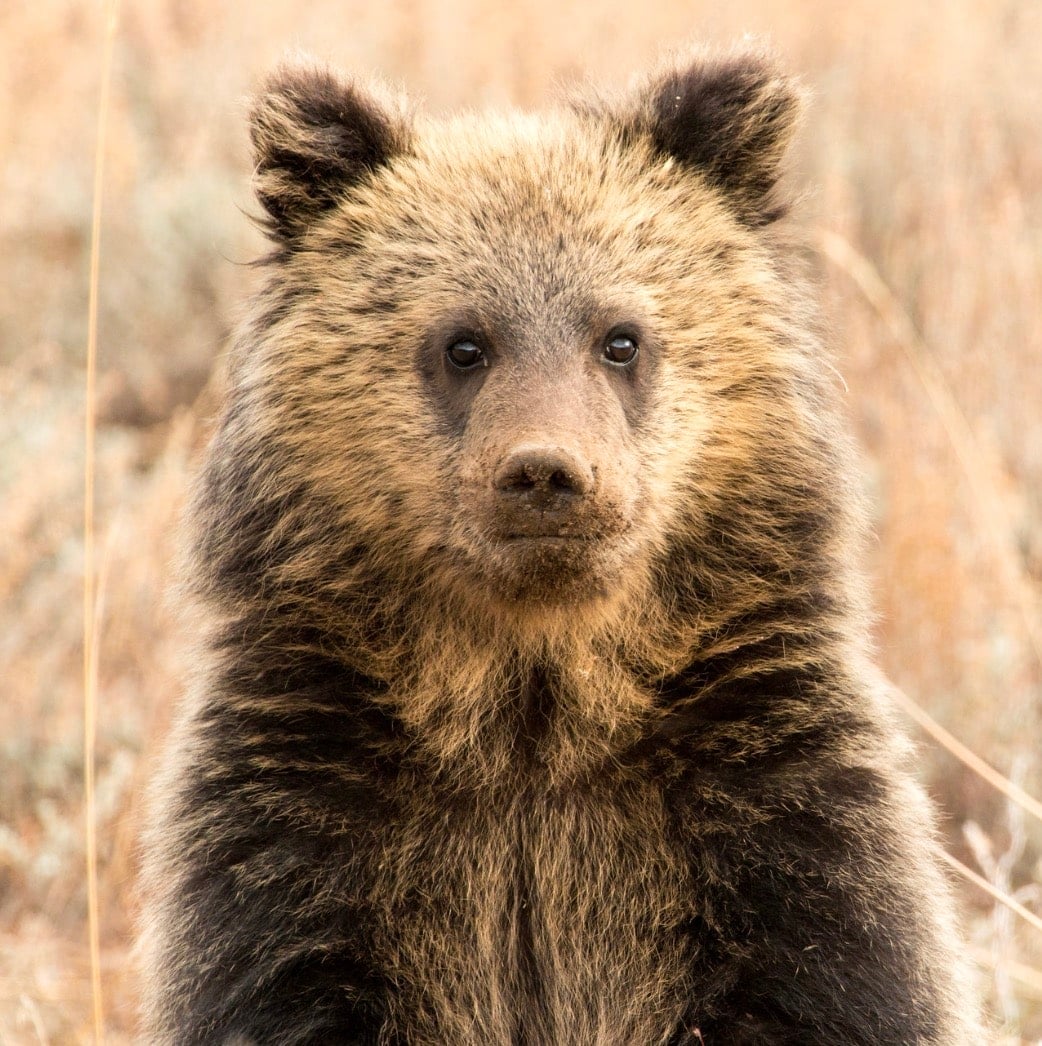
While close encounters with grizzly bear are generally somewhat tense, this one from over the weekend is decidedly adorable. This tiny grizzly cub is just getting aquatinted with the world and it looks like the all traffic is not it’s thing:
“One of Grand Teton grizzly #1063s first cubs taking one look at the big world and deciding nope, that’s not for me!” -Tammy Lyn Neufeld
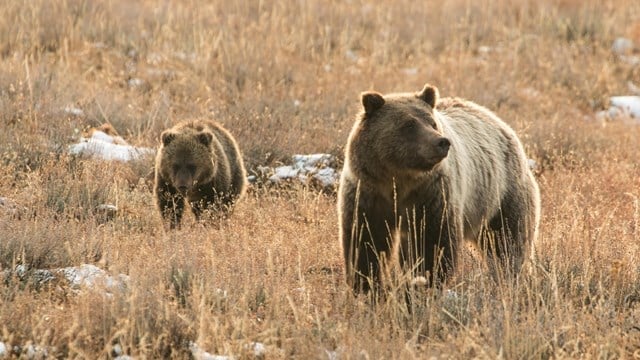
Obviously this pint sized grizzly posed no threat to the visitors but if its momma was on scene it would have been a different story. If you plan on visiting Grand Teton this summer remember bears are active throughout the park and an encounter can happen anytime and anywhere. Use caution, stay alert, and be prepared should you encounter a bear in the park. Learn more about bear safety at Grand Teton below:
Grand Teton National Park Bear Safety Guidelines:
If you encounter a bear:
- DO NOT RUN. Bears can easily out run any human. Running may elicit attacks from non-aggressive bears.
- If the bear is unaware of you, detour quickly and quietly.
- If the bear is aware but has not acted aggressively, back slowly away while talking in an even tone or not at all.
- Use your peripheral vision. Bears may interpret direct eye contact as threatening.
- Do not drop your pack – this teaches bears how to obtain human food. Your pack can also protect your body in the case of an attack.
- Do not climb trees – all black bears and some grizzly bears can also climb trees.
The vast majority of bear attacks have occurred when people surprised a bear. In this situation the bear may attack as a defensive maneuver. The bear may be protecting young or defending a carcass.
If a bear charges you:
- DO NOT RUN. Some bears will bluff their way out of a threatening situation by charging, then veering off or stopping suddenly.
- Bear experts generally recommend standing still until the bear stops and then slowly back away.
- If you have bear spray this is the time to use it!
- If the bear makes contact with you, drop to the ground and lie flat on your stomach with your legs spread apart slightly and play dead. Cover the back of your neck with your hands. Keep your pack on to protect your back. Do not move until you are certain the bear has left.
In rare cases, bears have attacked at night or after stalking people. These attacks are very serious: it may mean the bear sees you as prey. If you are attacked at night or if you feel you have been stalked and attacked as prey, fight back. Use your bear spray, shout, and try to intimidate the bear with a stick or rock. In this type of situation, do whatever it takes to let the bear know you are not easy prey.