

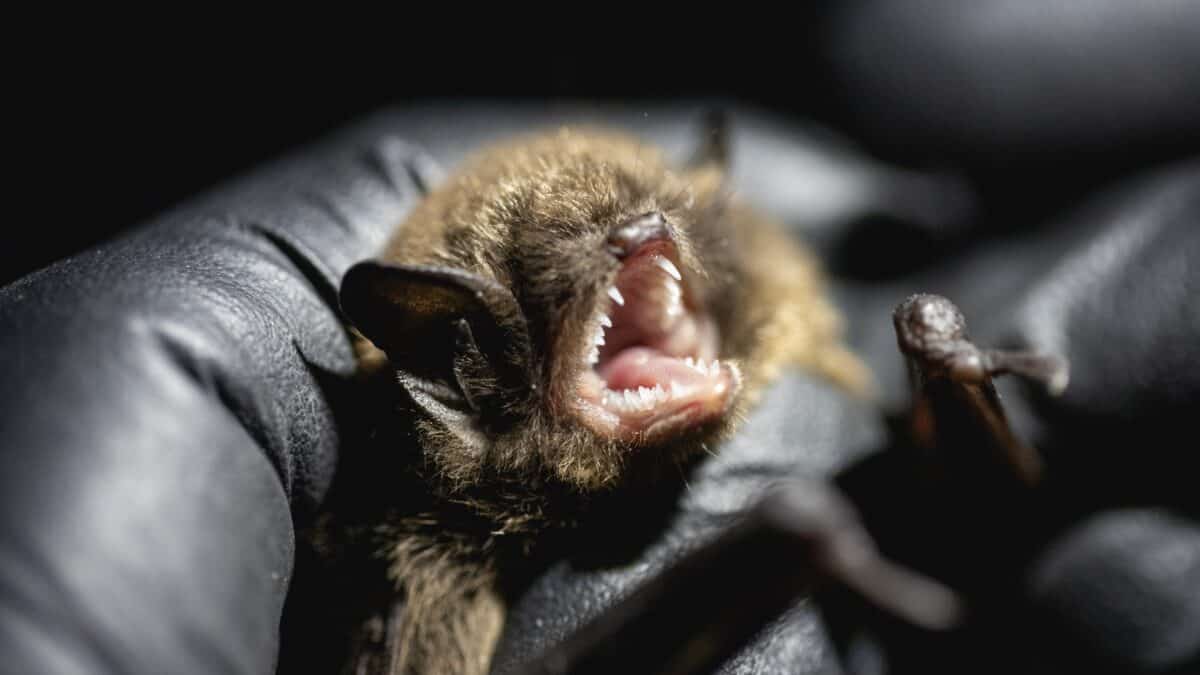
Glacier National Park has confirmed its first cases of white-nose syndrome in bats, marking a concerning development for wildlife in Montana. The disease was detected in a deceased little brown bat found in the Saint Mary area in May, while subsequent testing confirmed the presence of the fungus responsible for the disease in multiple live bats on the park’s east side.
According to park officials, these are the first confirmed detections of both white-nose syndrome and its causative fungus, Pseudogymnoascus destructans, in Glacier National Park and Glacier County.
A Disease That Has Killed Millions of Bats
White-nose syndrome is a fungal disease that affects hibernating bats. The infection causes bats to wake up during hibernation, forcing them to burn through essential fat reserves when food is scarce. This can lead to dehydration, starvation, and death.
Since the disease was first discovered in New York in 2006, white-nose syndrome has spread across North America, killing millions of bats. It has now been confirmed in 42 U.S. states and nine Canadian provinces.
The fungus spreads primarily through contact between bats and can survive in underground environments for years, potentially exposing new populations long after its initial arrival.
Glacier National Park is home to 10 documented bat species. All of them feed on insects and serve as prey for other wildlife, including raptors and weasels. Significant declines in bat populations could therefore have consequences for ecosystems inside the park and surrounding landscapes.
Researchers Testing a Potential Vaccine
Glacier National Park has monitored bat diversity, population occupancy, and health since 2011, with support from conservation organizations and other funding sources.
Park biologists are also participating in research examining whether a vaccine can protect bats against white-nose syndrome.
Between 2024 and 2026, researchers captured and processed 529 bats for the study. Of those, 265 received a vaccine, while 264 received a placebo. Each bat was fitted with a tag so researchers could monitor survival as the animals emerge from hibernation each spring.
By comparing survival rates between the two groups, scientists hope to determine whether vaccination can help protect wild bat populations from the disease. The research could provide valuable information as white-nose syndrome continues to spread into new areas.
How Visitors Can Help Protect Bats
Although white-nose syndrome does not infect humans or pets, people can unintentionally transport the fungus to new locations on clothing, footwear, and caving equipment.
Glacier National Park advises visitors never to handle or pick up bats. Anyone who visits caves or other bat habitats should also follow U.S. Fish and Wildlife Service decontamination guidance for cleaning clothing, footwear, and equipment.