

Estes Park is one of Colorado’s most popular destinations for watching elk, especially during the fall mating season. The animals bring in plenty of respectful tourists hoping to catch the iconic bugling, competition for mates, and impressive antlers seen throughout the town, but plenty of ignorant tourists show up as well.
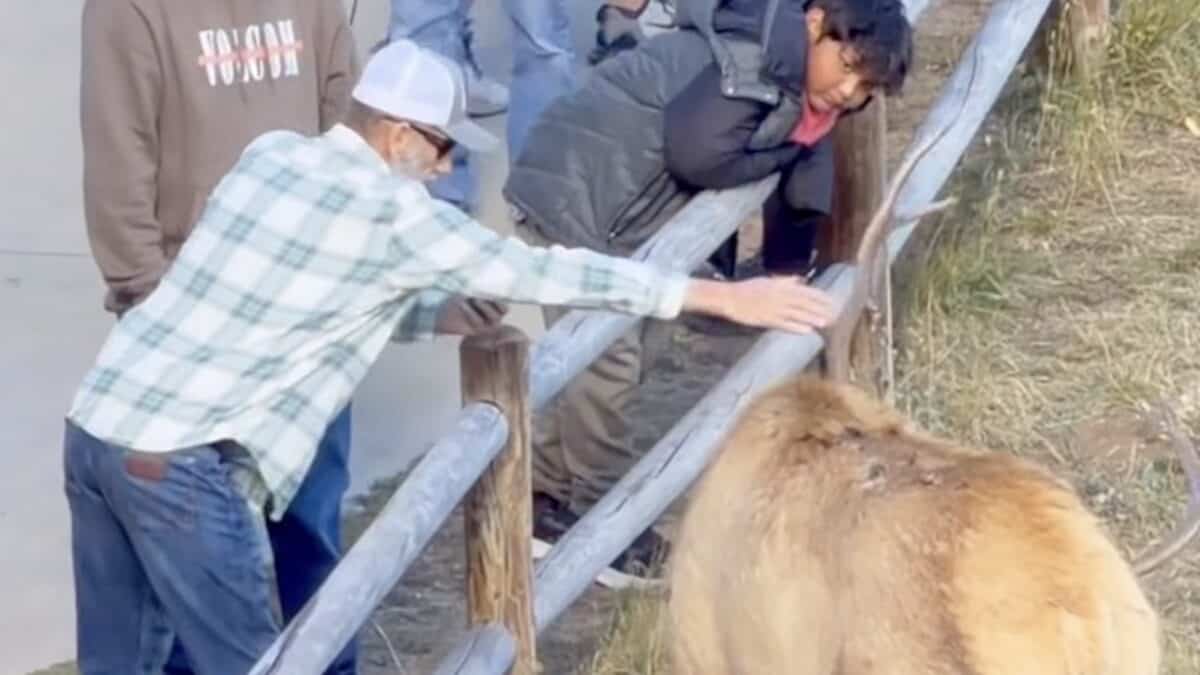
A recent video captured by Good Bull Outdoors is a great example of how not to behave around rutting elk. A man was filmed getting dangerous close to a large bull elk, reaching and actually grabbing the animal’s antler. Fortunately the animal seemed mostly unbothered, but the fence between the two parties wouldn’t have done much to stop the bull if it felt like charging.
Elk Rut In Colorado
During the fall elk rut, bull elk become more aggressive as they compete for mates and attempt to establish dominance over rivals. The annual breeding season typically begins in mid-September and lasts about a month, bringing dramatic displays of bugling, herding, and fighting to Estes Park.
Bull elk use their distinctive, high-pitched bugles to attract females, while their antlers and physical strength help them challenge competing males. Larger, more mature bulls generally have the best chances of mating, creating intense competition as they attempt to control groups of females known as harems. These groups can include dozens of cows guarded by one or two dominant bulls.
The breeding season can also take a physical toll on the animals. Bulls spend so much time pursuing females, defending their harems, and challenging rivals that they may have little time to eat, losing significant weight before the rut ends. Their heightened focus on reproduction can make them particularly unpredictable and aggressive during this period.
Elk Safety
These wild animals can become seriously dangerous when people get too close. Wildlife officials recommend maintaining at least 75 feet of distance from elk, roughly the length of two school buses. If an elk raises its head and stares at you, it may be a sign that you are too close.
Elk can be especially aggressive during the fall rut, which typically runs from mid-September through mid-October and sometimes into early November. Bull elk may raise their heads, thrash their antlers, and bugle while defending their territory and competing for mates. In late May and June, cow elk can also become defensive while protecting their calves.
Watch for warning signs such as pinned-back ears, stomping, or sudden, focused staring. If an elk approaches, remain calm and back away slowly, allowing it room to pass. Never feed or harass elk, as doing so can make them more dangerous around people.
Visitors should also alert others when elk are near trails or paths. Giving these animals plenty of space helps protect both wildlife and the people who come to admire them.
