

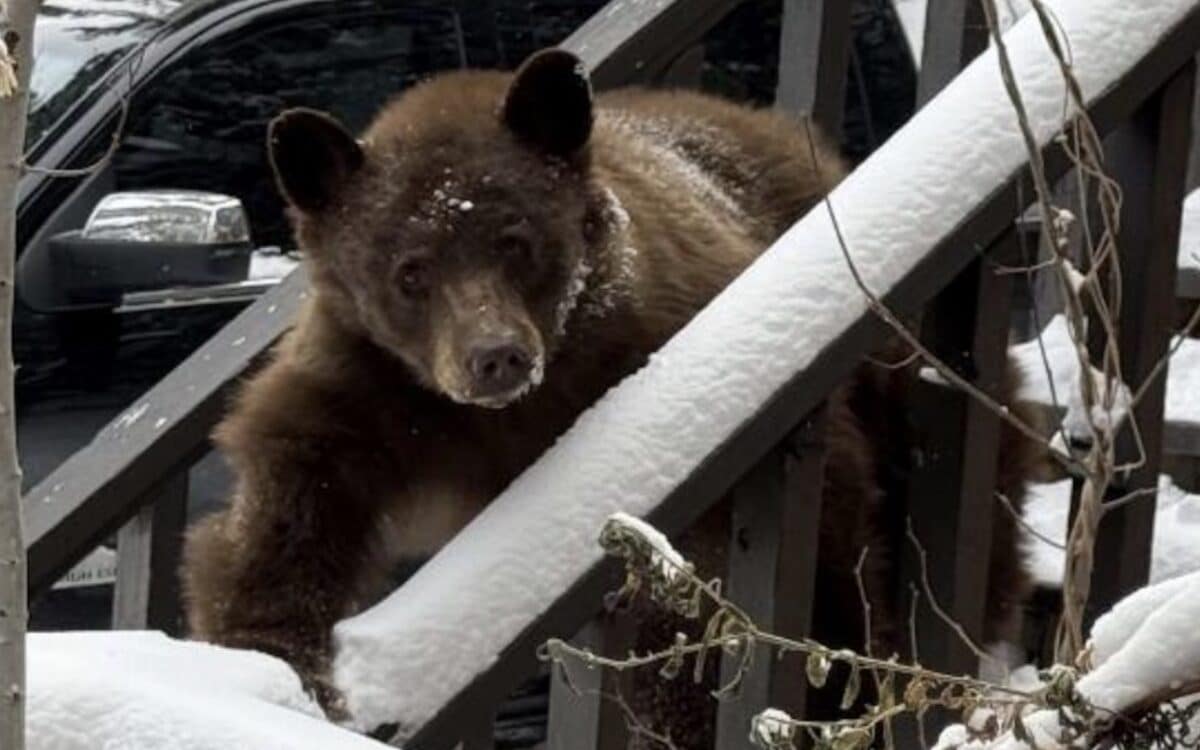
Colorado has seen a sharp uptick in black bear activity as drought, wildfires, and low mountain snowpack has reduced the available of natural food across several parts of the state. In response, Colorado Parks and Wildlife (CPW) is encouraging residents and visitors to secure trash and other potential food sources as they animals enter their most active feeding period of the year.
Bear Reports Already Break Annual Records
CPW received 6,129 bear sighting and conflict reports between January 1st and August 13th, 2026. That’s already higher than the 5,299 reports recorded throughout all of 2025. 2024 Saw just 4,927 reports and 2023 saw 3,529 reports. With these numbers, 2026 is already the busiest year recorded through the statewide digital bear reporting system that started in 2019.
Black bears are just now starting to enter hyperphagia, a period of time when they can spend up to 20 hours a day in search of food before the start of winter. They need to build substantial fat reserves to survive hibernation, and poor nutrition can affect reproduction and cub survival.
Drought Is Pushing Bears Toward Communities
Natural food sources, including berries, fruits, nuts, plants, and grasses, have been less available in some areas this year, forcing bears to travel further and take greater risks to find calories. That can bring them into neighborhoods in search of unsecured garbage, bird feeders, pet food, and dirty grills.
Feeding bears quickly creates a dangerous pattern, leading them to lose their natural fear of people and return to developed areas, often eventually causing property damage or threatening public safety. In some cases those animals will eventually face relocation or euthenasia.
Nearly half of Colorado’s bear incidents in 2025 occurred during August, September and October, meaning this year’s bear sightings are nowhere near over.
Colorado Strengthens Bear Luring Law
A new law took effect on August 12th that strengthens enforcement against people who knowingly leave food or edible waste where it can attract bears in Colorado. House Bill 26-1342 changes the legal standard from intentionally luring bears to knowingly creating circumstances where there is a reasonable probability that food will attract a bear. The law also eliminates the requirement for a warning on a first offense. For a third or subsequent offense, the maximum fine increases from $2,000 to $5,000. Agricultural activities remain exempt.
CPW Urges Residents to Stay BearWise
CPW recommends residents and visitors secure their garbage and recycling, remove bird feeders when bears are active, keep pet food indoors, and clean grills after use. Those recreating outdoors should pack out food and trash, keep dogs leashed, and should store food securely while camping. Bear activity is expected to remain high throughout the fall.
Anyone encountering a black bear should never run. Instead, people should back away slowly and use bear spray if a bear continues approaching.