DEATH VALLEY, Calif. — The National Park Service announced today that Death Valley National Park will begin an $69.5 million infrastructure project this fall to modernize two critical water systems and a wastewater system. The project is expected to take three years to complete and will improve essential infrastructure responsible for providing safe drinking water and reliable wastewater treatment for park visitors, employees, hotels, campgrounds and the Timbisha Shoshone Tribe.
Many components of the existing utility systems date to the 1960s and have exceeded their intended service life. Extreme desert conditions, including water temperatures that frequently exceed 100°F and recurring flash floods, have accelerated deterioration of pipelines, valves and other infrastructure, increasing maintenance demands and the risk of service disruptions.
“Reliable drinking water and wastewater systems are fundamental to every visitor’s experience and to the people who live and work in Death Valley, the hottest and driest national park in the country. This Great American Outdoors Act investment will strengthen these essential systems and ensure reliable water and wastewater services for visitors, employees and the Timbisha Shoshone Tribe for decades to come.” –Mike Reynolds, Death Valley National Park superintendent
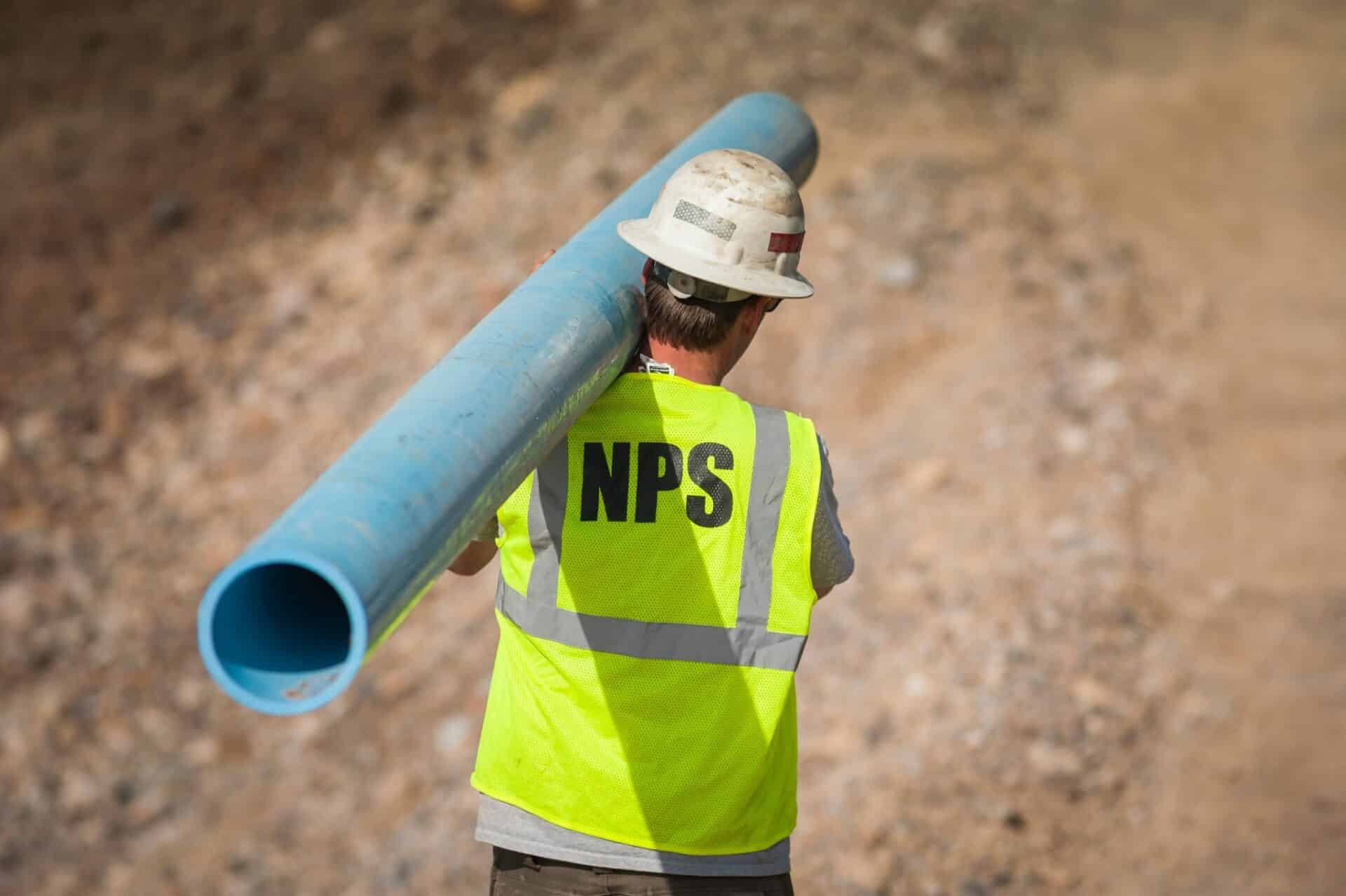
The project will rehabilitate the water systems at Cow Creek and Furnace Creek and their shared wastewater treatment facility. Plans include replacing approximately 15 miles of water pipeline, upgrading water storage tanks, drilling new wells, replacing the reverse osmosis treatment plant building at Cow Creek, rehabilitating the reverse osmosis treatment plant at Furnace Creek, replacing 16 miles of sewer pipeline, modernizing sewage lift stations and upgrading wastewater treatment ponds.

The investment will address long-standing infrastructure challenges that have affected park operations throughout the years. Water system failures have required repairs about once a week in recent history resulting in periodic water outages and boil water advisories. Aging wastewater infrastructure has also caused sewage spills and temporary campground closures. Once the project is complete the rehabilitated systems will improve operational reliability, reduce emergency repairs and provide resilient utility infrastructure.
Construction is set to begin this fall and will be phased in to minimize disruptions to visitors and park operations. While short, localized water outages may occur, visitors and residents can expect continued access to safe drinking water and reliable sanitation throughout the project. Temporary impacts will include reduced parking in some areas for construction staging.