

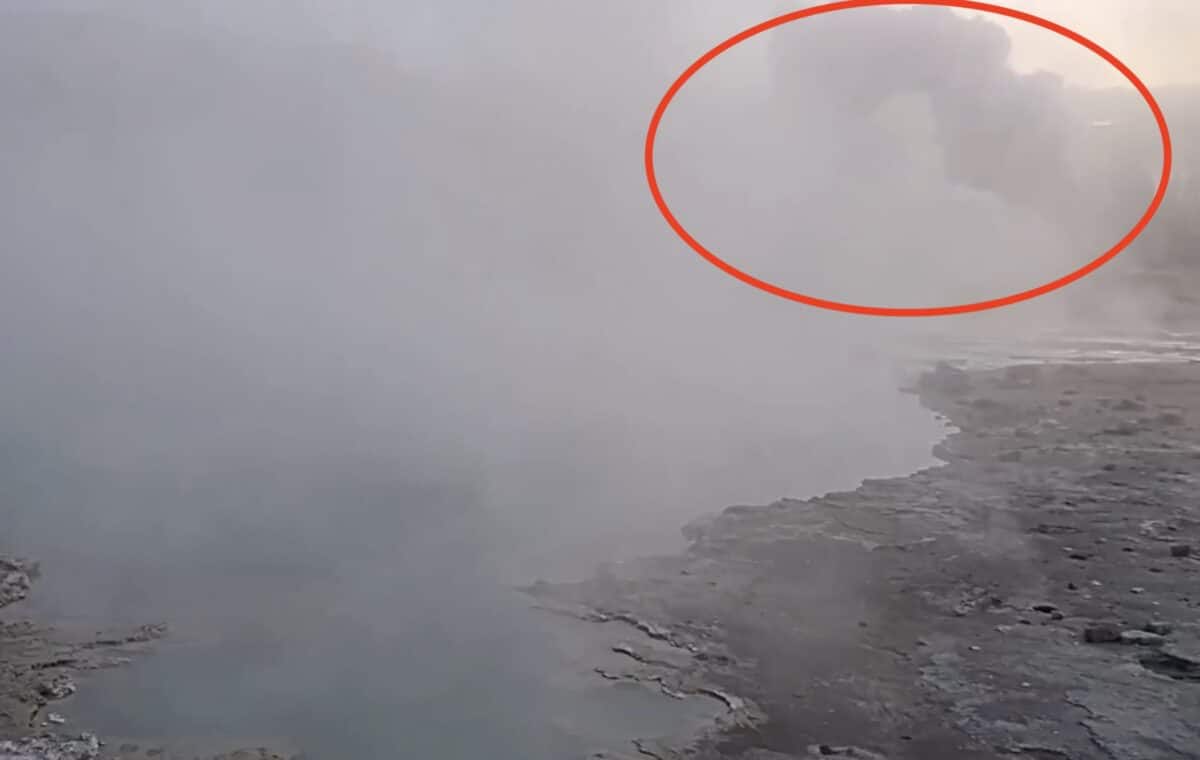
A hydrothermal explosion at Yellowstone National Park‘s Biscuit Basin on June 13th, 2026, reshaped the landscape and triggered ongoing geological activity that scientists are now monitoring with newly deployed equipment.
The explosion occurred at 5:09am MDT and was captured by a remote camera along with nearby seismic and infrasound instruments. The blast originated in the barren area just north of Black Diamond Pool, which was the site of a larger hydrothermal explosion on July 23rd, 2024.
Three new vent areas opened as a result of the June 13th event, including an 18.5-meter (61-foot) fissure filled with boiling water. Rocks were thrown only a few meters, suggesting the explosive energy was significantly lower than the 2024 event. High levels of water discharge from the vents carried sediment into the Firehole River, producing milky streaks that persisted far downstream.
Within two to three days of the explosion, a circular collapse feature formed in the affected area and filled with near-boiling water. By June 18th, geyser-like spouting reaching 6 to 9 meters (20 to 30 feet) high was observed from the new pool.
Yellowstone Volcano Observatory scientists deployed additional monitoring equipment at the basin last week to track the evolving activity. Biscuit Basin remains closed to visitors.