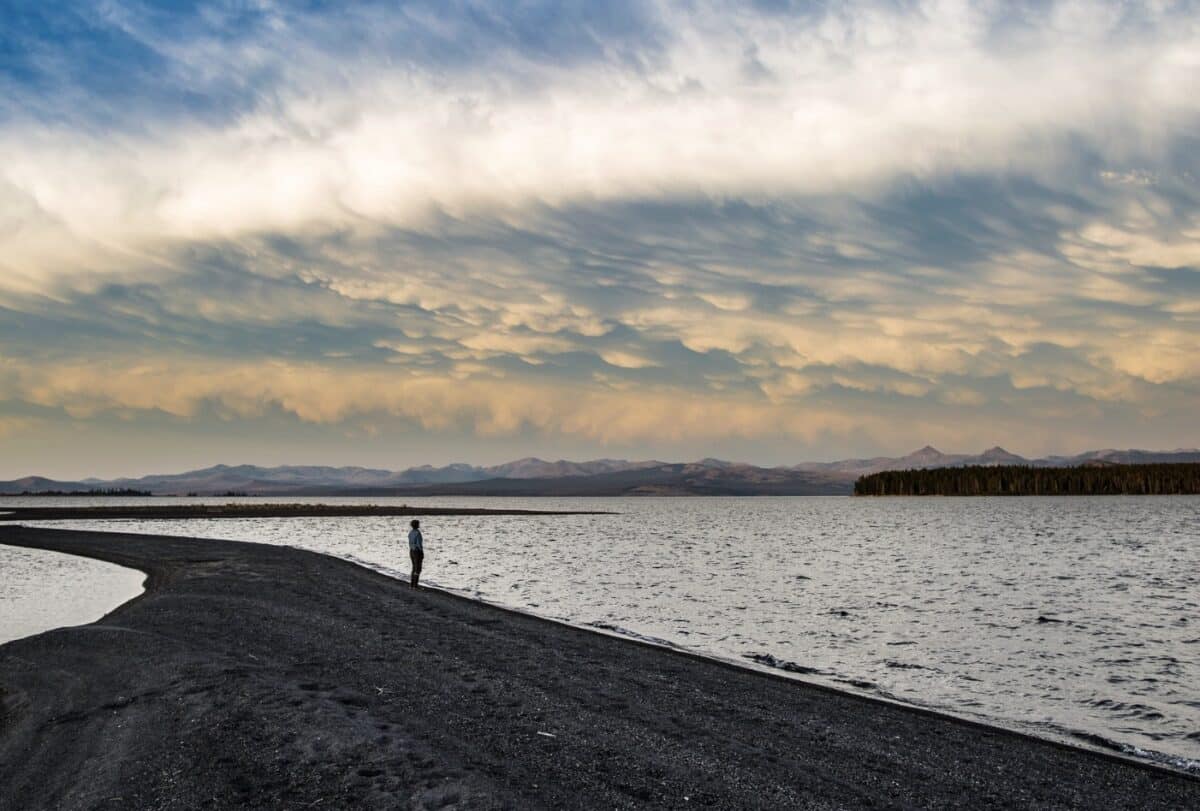
MAMMOTH HOT SPRINGS, Wyo. – Tragic news out of Yellowstone National Park where occupants of a vessel on Yellowstone Lake discovered the body of a 41-year-old male, Brandon Rhea of Denver, Colorado, floating in the water near Rock Point on the northwest shore of the lake near Bridge Bay on the morning of June 8th, 2026.
National Park Service rangers responded to the scene and recovered the body, along with a capsized kayak and personal belongings. The incident is currently under investigation. The National Park Service advices there are no further details to share at this time.
Yellowstone Boating Safety
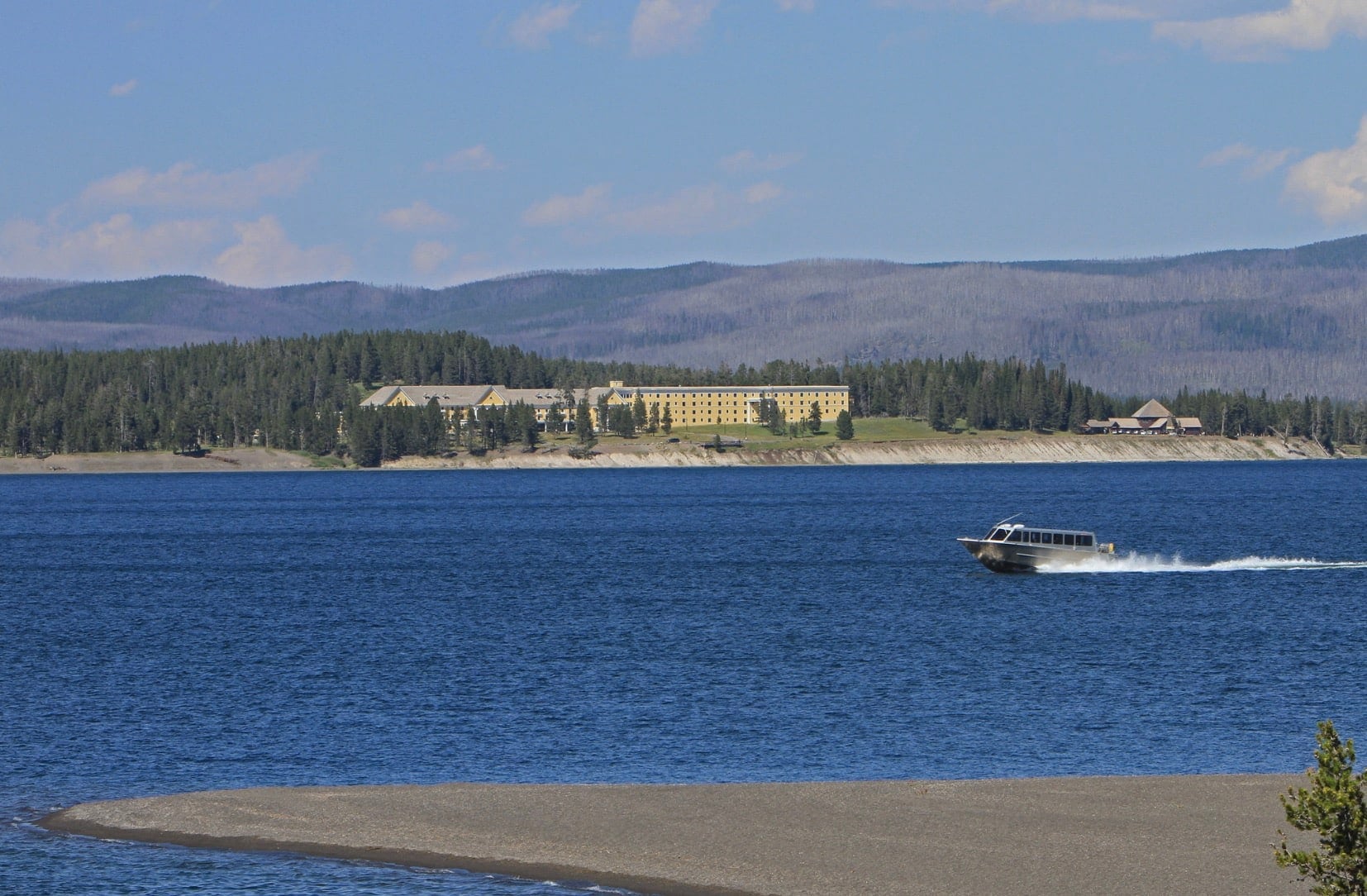
Exploring Yellowstone’s lakes by boat offers a great way to see the park from a different perspective. However, boating in the Northern Rockies presents significant risks. Water temperatures of park lakes are extremely cold (in the 40s Fahrenheit) in June and may only reach the 60s by late summer. In addition, sudden strong winds can produce waves of three to five feet in height, making open-water crossings very dangerous.
Drowning is the second leading cause of unintentional deaths reported in national parks. Yet, nearly all are preventable. It is important to understand that recreating in natural bodies of water like rivers, lakes, and oceans is very different from recreating in a swimming pool.
- Water currents can tire you out and sweep you away
- Distance across water is greater than it looks
- Cold water can shock your body and make it difficult to swim
- Water depth can suddenly change to above chin level
- Underwater hazard like trees and rocks can trap you and keep you from swimming back to shore
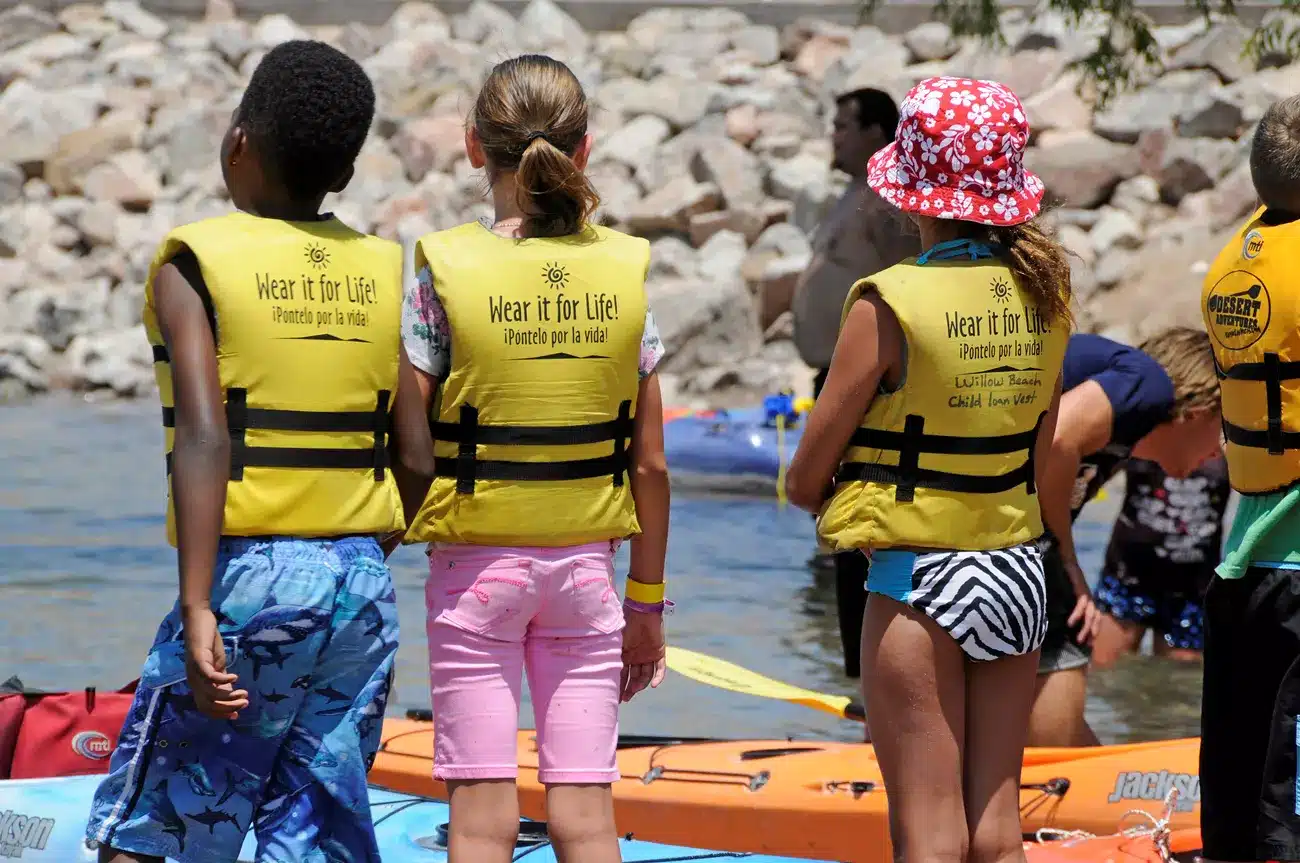
Wearing a life jacket can save your life and help bring everyone home after a fun day in the water by:
- Preventing drowning
- Keeping you afloat if you get tired
- Giving you time while awaiting rescue
All water users (swimmers, boaters, anglers, etc.) should wear a life jacket. Even strong swimmers have drowned or needed to to be rescued because they were overcome by the water. Simply carrying a life jacket is not enough as you may not have time to put it on if you encounter a water hazard, slip while fishing, or fall out of your vessel. Don’t take the chance!
Have the right life jacket. There are 3 basic kinds of life jackets that can be selected for your activity and swimming skill level. It is important to understand the types of jackets and when they should be used:
- Inherently Buoyant (Primarily Foam): These low-maintenance life jackets are both comfortable and reliable and come in wearable and throwable fashions.They are designed for swimmers and non-swimmers, and come in Adult, Youth, Child and Infant sizes.
- Inflatable: Inflatable life jackets are lightweight and comfortable to wear. They are only available in wearable, Adult sizes. This kind of flotation should NOT be worn by poor or non-swimmers.
- Hybrid (Foam and Inflation): These reliable jackets are available in Adult, Youth, Child and Infant sizes and wearable styles. They are recommended for both swimmers and non-swimmers, and some are designed for water sports.