

Wyoming’s wilderness draws millions of visitors each year but that access comes with a serious caveat. The same backcountry that offers world-class hunting, fishing and recreation is also home to grizzly bears, wolves and mountain lions, and encounters between those animals and people occasionally turn deadly.
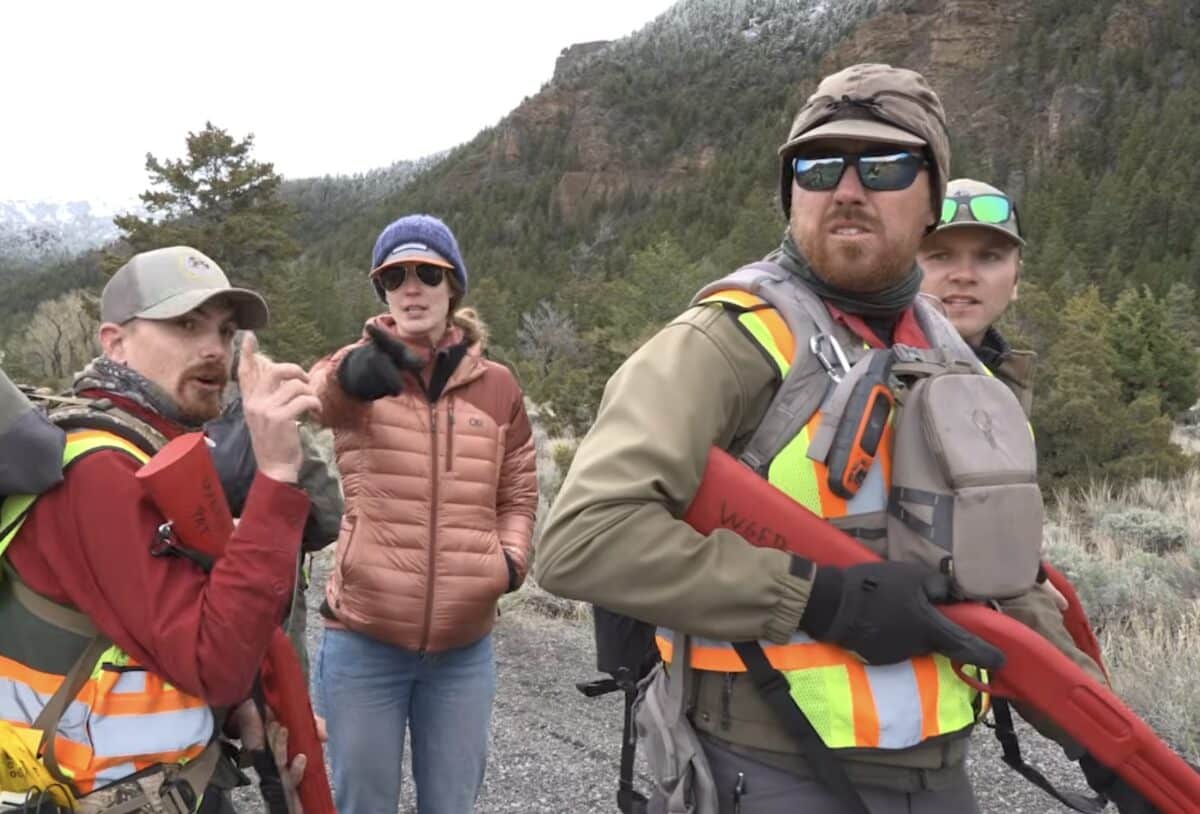
To better prepare for those incidents, Wyoming Game and Fish Department large carnivore conflict teams recently completed a five-day training course in Cody, Wyoming, focused on wildlife attack investigations.
The curriculum covered everything from interviewing victims and collecting physical evidence to identifying animal sign and tracking animals suspected in an attack. Techniques for trapping large carnivores were also part of the training, along with instruction on distinguishing sign left by grizzly bears, wolves, mountain lions and coyotes.
Wildlife managers from agencies across the country participated, bringing varying levels of experience to the course. Instructors drew on real scenarios investigated by other agencies to provide context for why attacks happen and how responders should approach them.
“When something like this happens, they look to wildlife agencies as the professionals qualified to handle this type of situation and determine exactly what happened. There’s a wide range of feelings out there. Some people feel that no matter what a bear does, even if it kills a human, the bear should be exonerated. On the other hand, some believe it’s the person’s fault. People have those varying opinions. We’re not here to blame anyone. We’re here to do a professional, concise, thorough investigation and determine exactly what happened.” – Large Carnivore Conflict Coordinator Brian Debolt
Trainees learned how to secure an attack scene, locate and treat victims, summon additional personnel and collect evidence that could link a specific animal to the incident. The data and insights gathered from these investigations are ultimately used to develop public education efforts aimed at reducing future conflicts between people and large carnivores.