

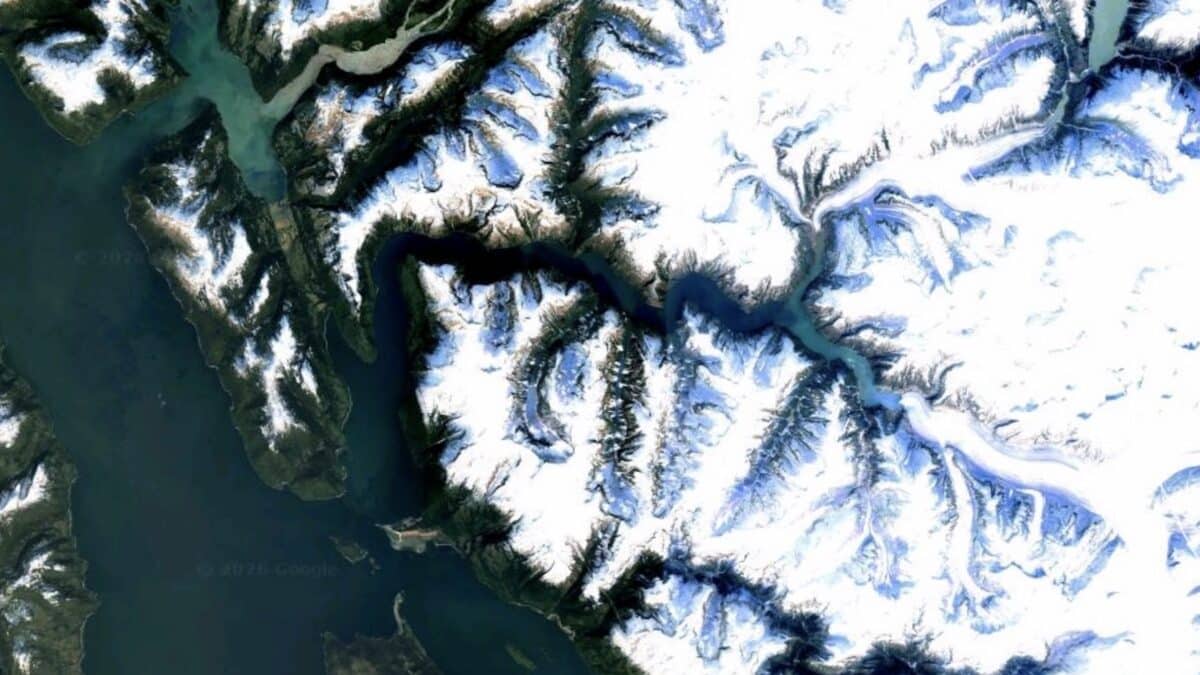
A Canadian researcher is calling for greater monitoring of fjord-related tsunami hazards after studying one of the largest such events ever recorded.
Last August, millions of tons of rock collapsed into Tracy Arm Fjord in Alaska, triggering a wave that reached heights over 13,000 feet in some sections. The findings were published in the journal Science, with Dan Shugar of the University of Calgary serving as the study’s corresponding author.
Shugar and his colleagues warn that as global temperatures rise and permafrost destabilizes, the conditions that caused the Tracy Arm event are becoming more common, not less. He pointed to communities on Canada’s west coast, including Prince Rupert and Port Alberni, as towns situated at the heads of fjords that could face similar dangers.
The findings are not a call to shut down commercial shipping or cruise operations in coastal waters. Instead they emphasized the need for rigorous hazard assessment and monitoring of unstable slopes before another event occurs.
Beyond the risk to human life and infrastructure, the tsunami left significant ecological damage in its wake. Shugar noted that large swaths of trees were destroyed, along with wildlife habitat and likely the animals that depended on it.
The Tracy Arm event is a stark illustration of how climate change is reshaping natural hazard risk in cold regions. As glaciers recede and mountain slopes lose structural support, researchers say landslide-generated tsunamis may occur more frequently in fjord environments worldwide.