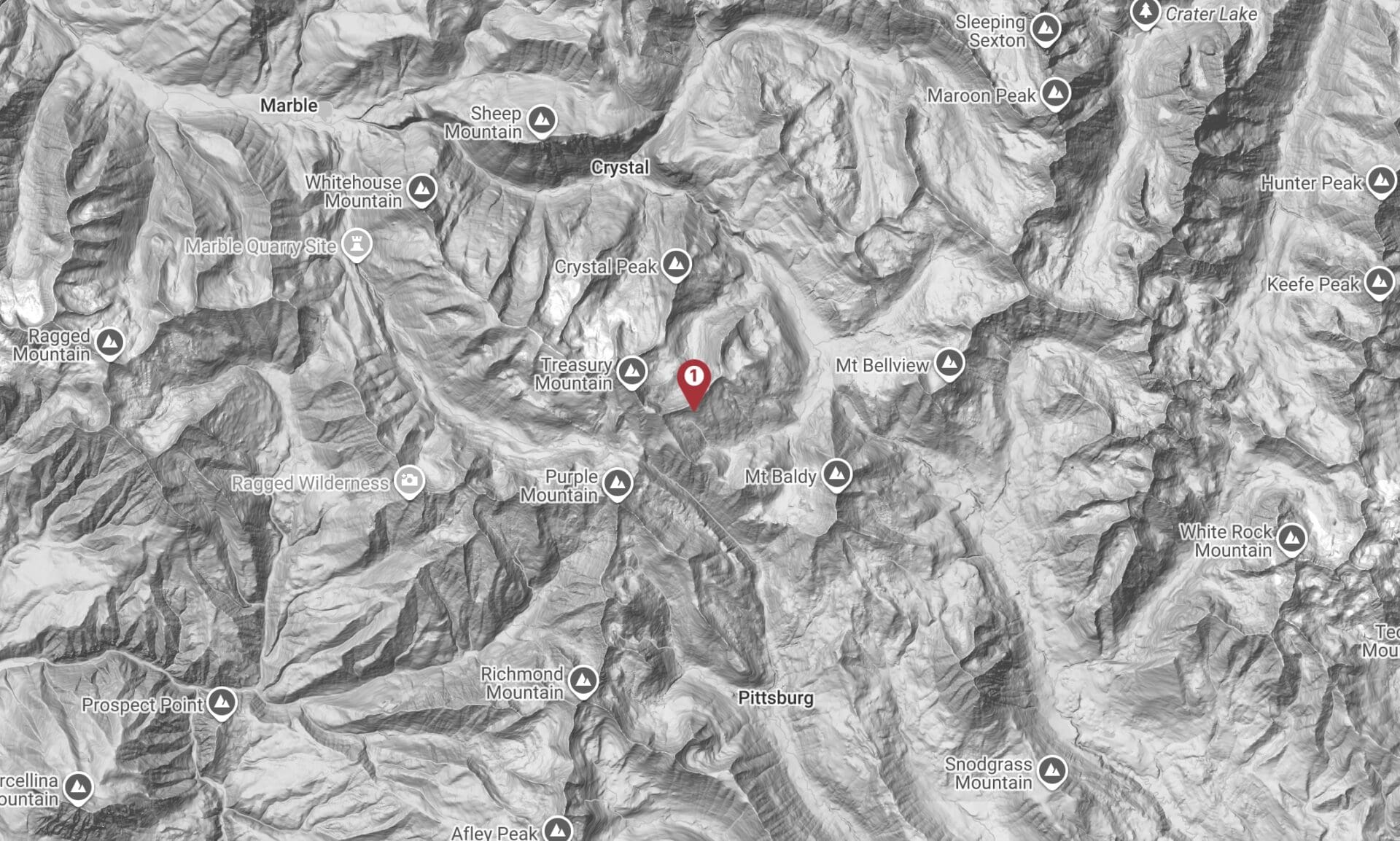
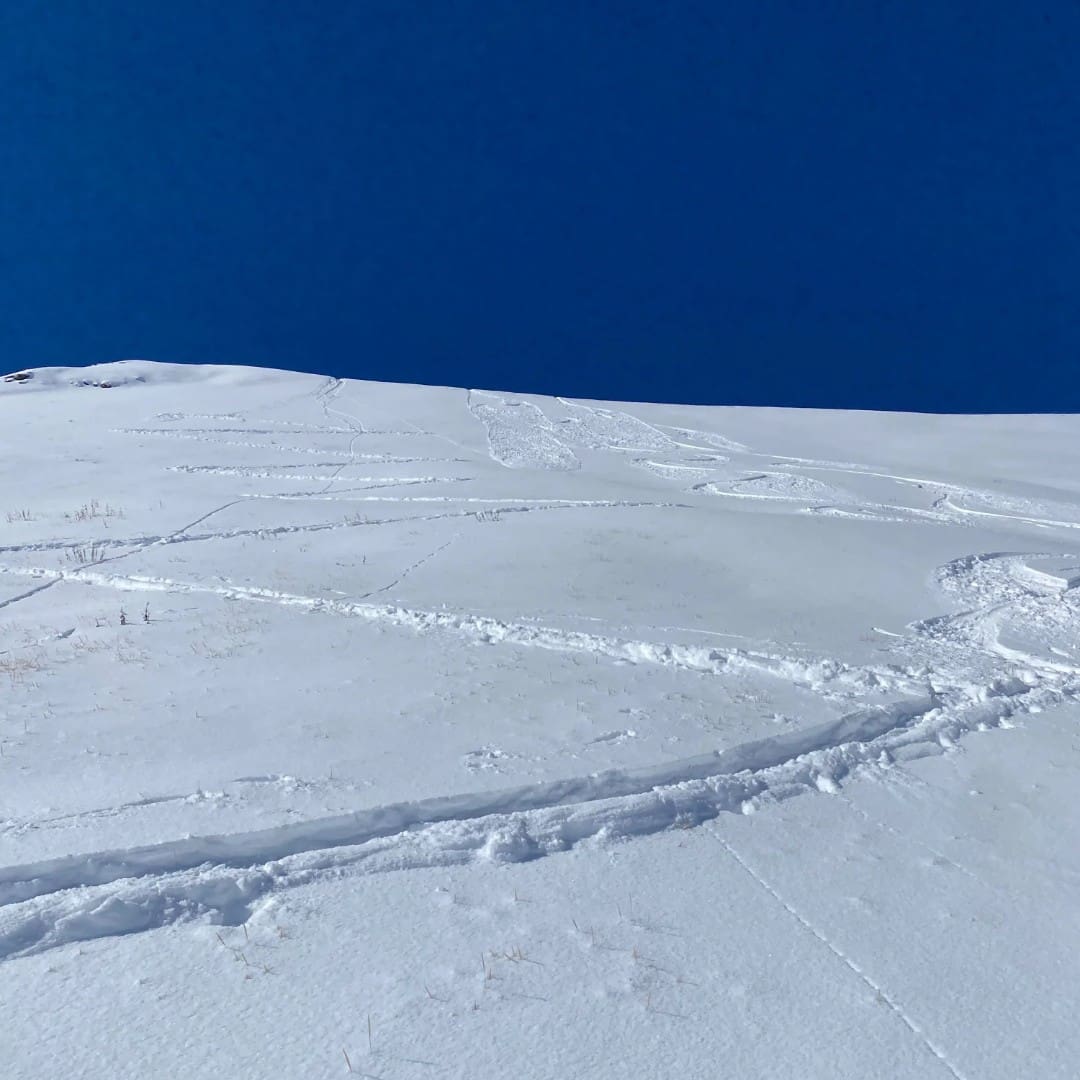
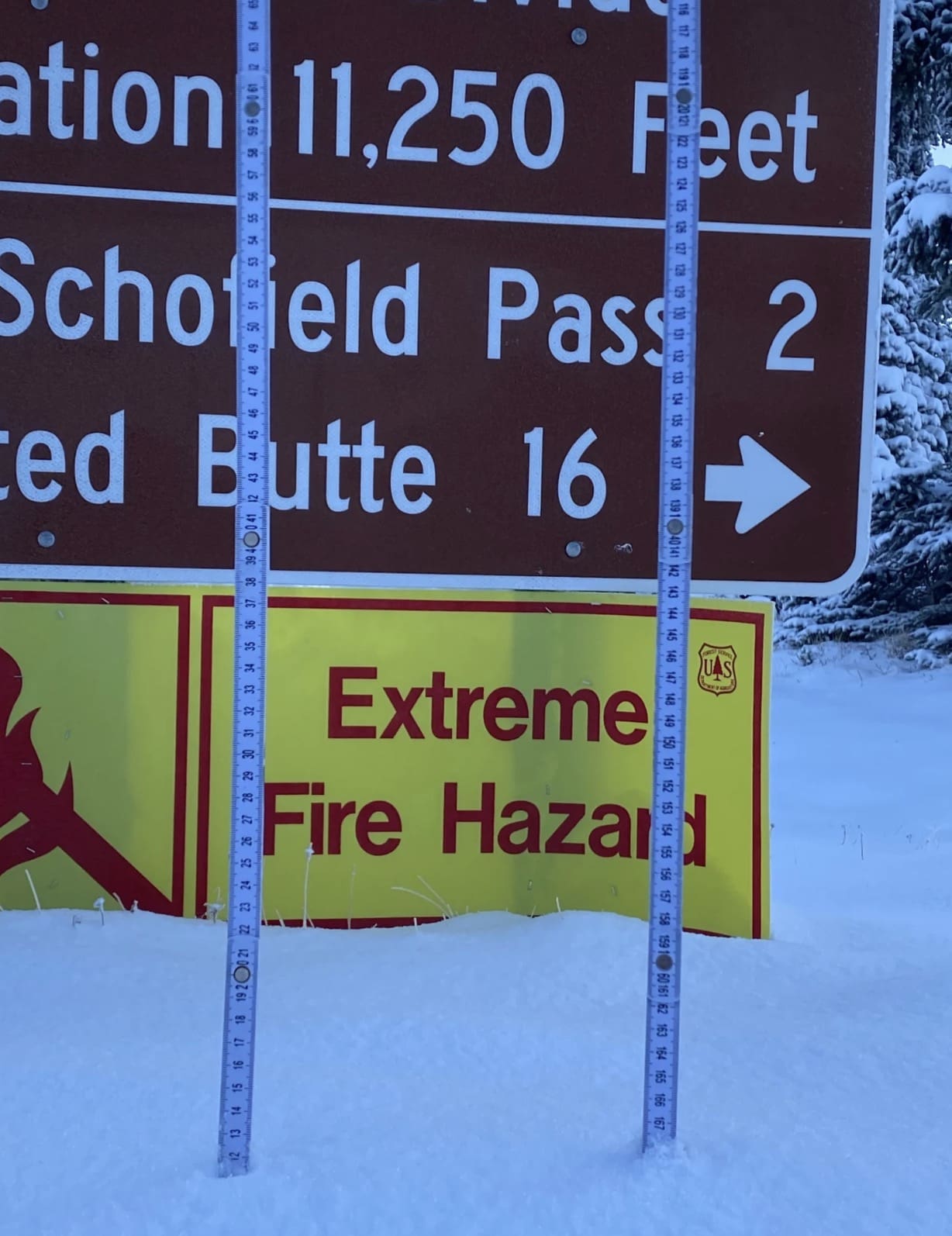
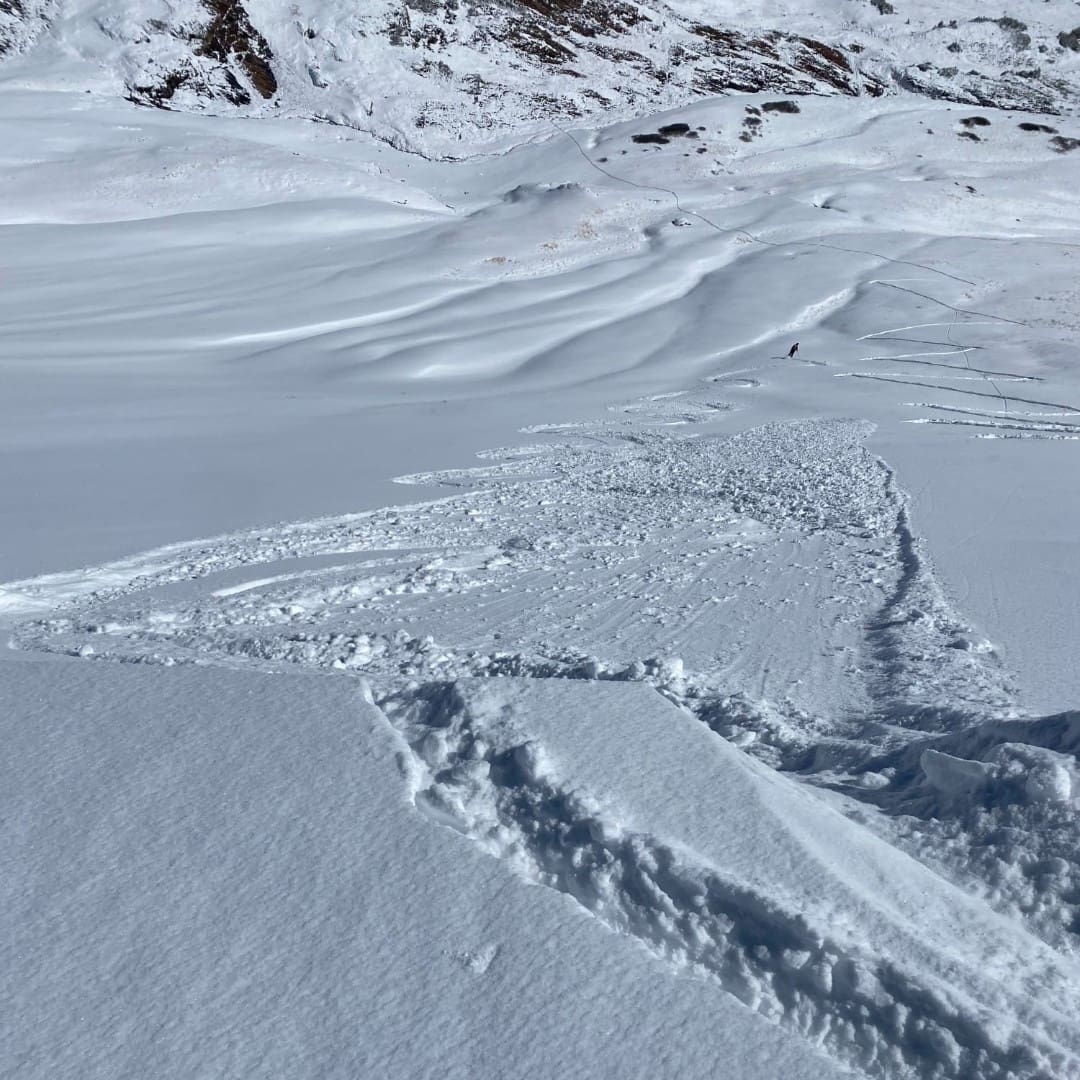
The Colorado Avalanche Information Center has reported the first skier-triggered avalanche of the season which occurred on Friday, October 24th near Treasury Mountain in the Elk Mountains, where 8 inches of new snow fell overnight.
Thankfully no one was caught in the slide but it serves as a stark reminder that even small early-season slides can happen on steep slopes where you find ~10 inches or more of consistent snow. Daily avalanche risk forecasts from the Colorado Avalanche Information Center resume November 1 and they recommend making it a habit to check the forecast before every trip. To begin or continue your avalanche safety education journey please find amazing resources provided by Know Before You Go. Read the full report of the avalanche below.
Report Information
Author: Ryan Huck
Observation Summary
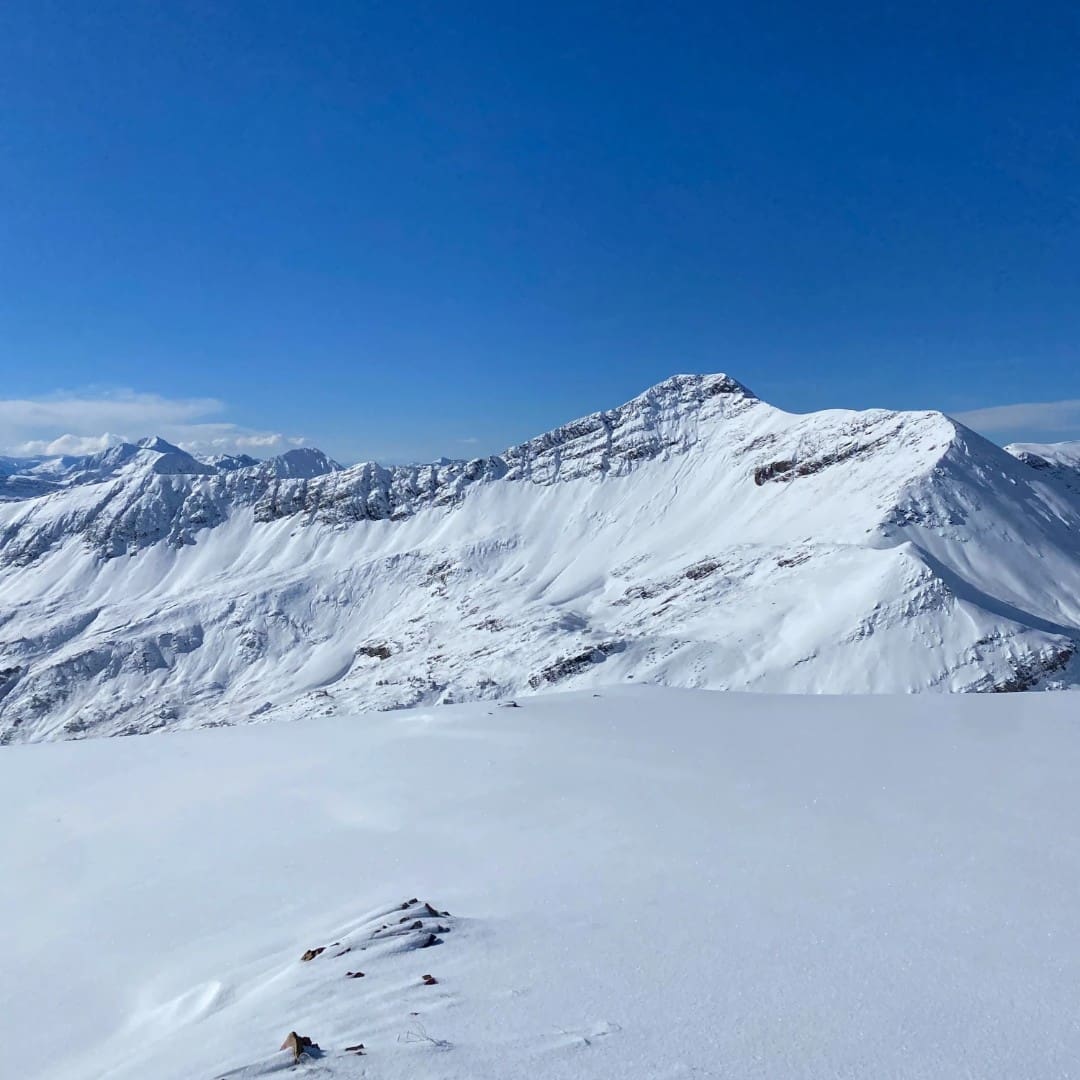
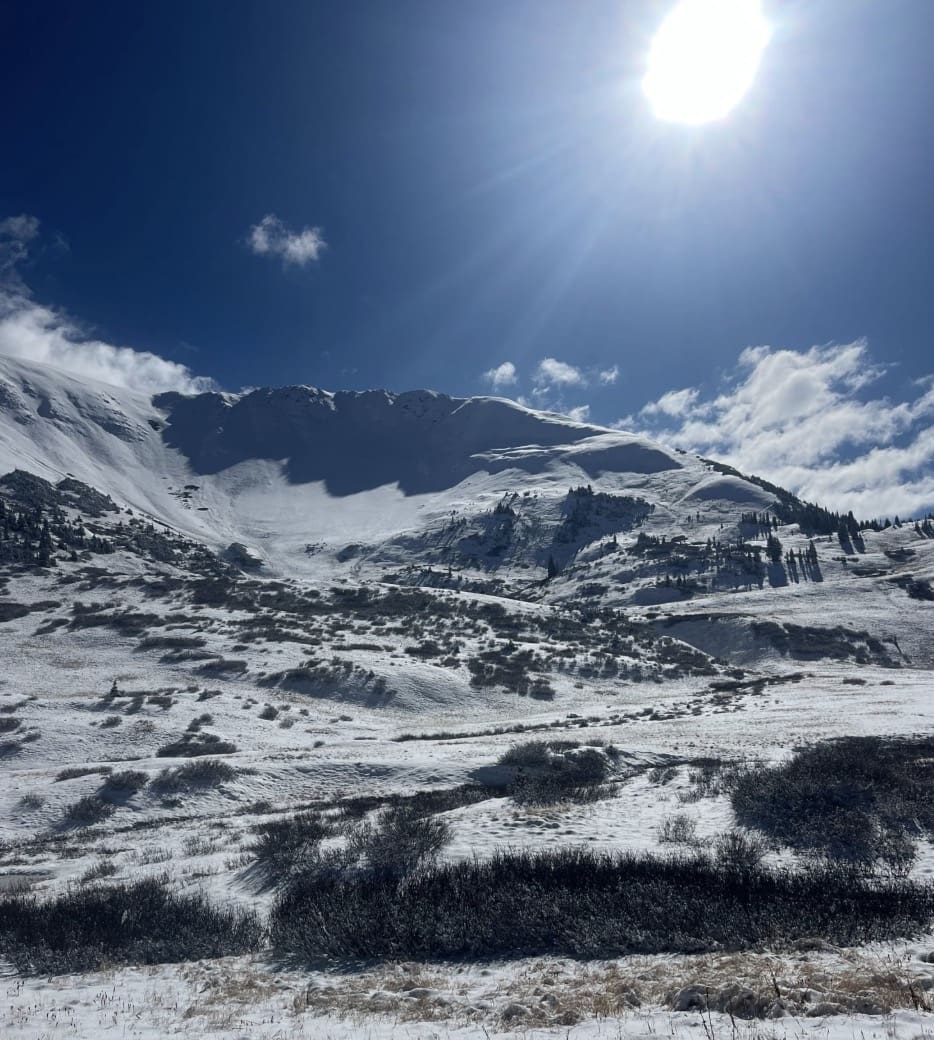
Went out to check out Treasury, where the most storm totals were.
Paradise divide totals- 4.72 Inches
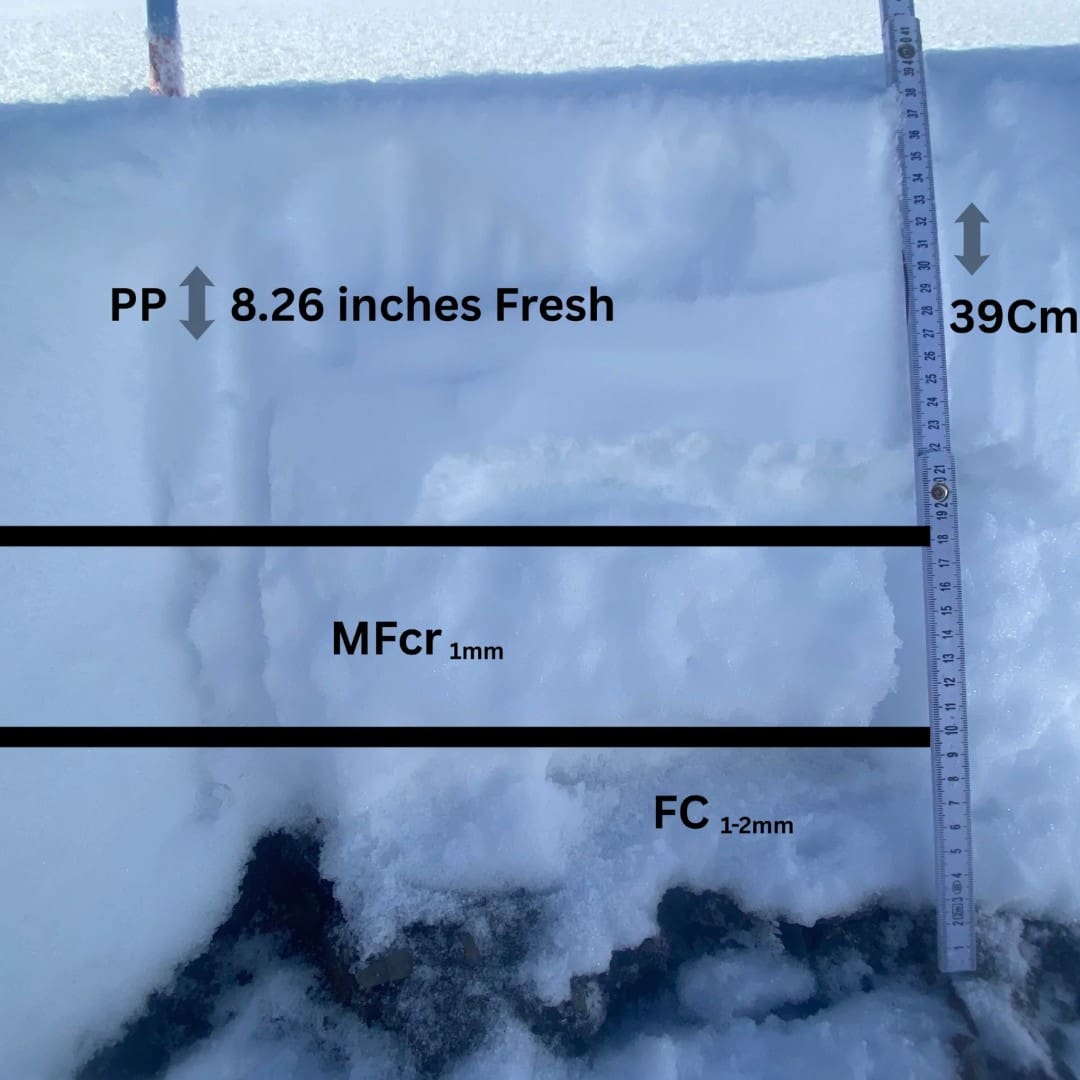
Treasury Mountain – 8.26 Inches
We went to look at how the snow was settling up high. Before the storm there was a melt freeze crust of about 8 cm thick. This layer was pencil hard and, there was Facets just underneath it ranging from 1-2 mm in size.
About Colorado Avalanche Information Center
The Colorado Avalanche Information Center (CAIC) is a program within the Colorado Department of Natural Resources, Executive Director’s Office. The program is a partnership between the Department of Natural Resources (DNR), Department of Transportation (CDOT), and the Friends of the CAIC (FoCAIC) a 501c3 group. The mission of the CAIC is to provide avalanche information, education and promote research for the protection of life, property and the enhancement of the state’s economy
History
Since 1950 avalanches have killed more people in Colorado than any other natural hazard, and in the United States, Colorado accounts for one-third of all avalanche deaths. The Colorado Avalanche Warning Center began issuing public avalanche forecasts in 1973 as part of a research program in the USDA-Forest Service Rocky Mountain Research Station. The program moved out of the federal government and into the Colorado state government, becoming part of the Department of Natural Resources in 1983. The CAIC joined the Colorado Department of Transportation’s highway safety program in 1993. The Friends of the CAIC (a 501c3 group) formed in 2007 to promote avalanche safety in Colorado and support the recreation program of the CAIC.
Funding
About half of the CAIC’s funding comes from an intergovernmental agreement with CDOT to provide training and forecasting for highway maintenance operations. As part of the Department of Natural Resources, close to 40% of the Center’s funding come from the Severance Tax Fund. The rest of the funding to run the program comes from the United States Forest Service, local governments, the Friends of the CAIC, and from donations from people like you.
Related: Rogue Signals & Lane Discipline…Lessons On Avalanche Group Searches