


The views and opinions expressed in this article are those of the author and do not necessarily reflect the official policy or position of Unofficial Networks. The content provided is for general informational purposes only and is not intended as professional advice. The discussion presented is meant to provoke thought and discussion within the community.
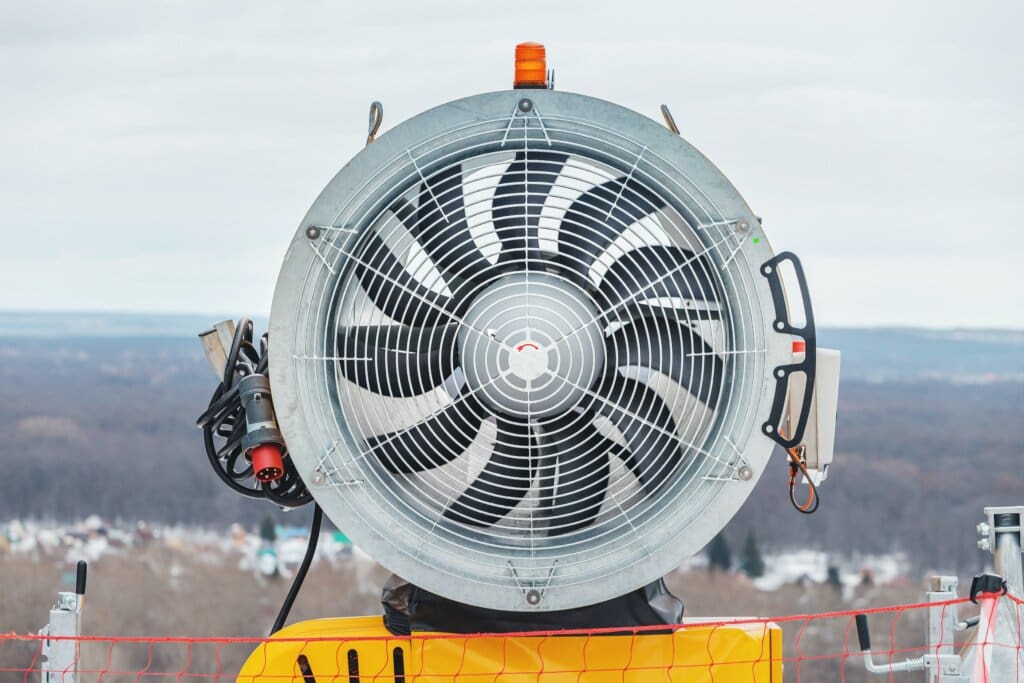
The winter sports season brings with it the hum of snow machines across the slopes of the world’s ski resorts. While snowmaking is often heralded as a ski area’s insurance policy against the vagaries of Mother Nature, it’s worth pondering if it’s always necessary. In fact, I believe that ski areas should avoid snowmaking whenever possible, and here’s why.
Snowmaking can lead to an unnatural buildup on the edges of ski runs. This is known as a “curb”. A curb results in an uneven surface and can affect the aesthetics of a natural mountain environment. Additionally, the curbs, artificial ridges, and drop-offs impact the natural flow and enjoyment of the run for skiers and snowboarders alike. It creates a barrier and occasional train trap when venturing off the trail into woods or other sections.
Secondly, and perhaps most critically, snowmaking is a heavy environmental burden. The process is energy-intensive, consuming large amounts of electricity and water. In an era where climate change is an ever-looming threat, we must consider the carbon footprint of our recreational activities. By reducing reliance on snowmaking, ski resorts can significantly lower their energy usage and conserve water resources, which are precious, especially in alpine regions.
The quality of natural snow versus man-made snow is also a point of contention. Natural snow crystals form unique structures that provide a different experience underfoot (or, more aptly, underski). The glide over fresh, natural snow is arguably smoother and provides conditions that man-made snow cannot replicate. While technological advances have improved the quality of artificial snow, it remains a poor cousin to the fluffiness and variability that natural snow provides.
Moreover, the presence of man-made snow can sometimes attract a crowd that is less passionate about the sport. By keeping the slopes reserved for natural snowfall, ski areas could promote a more exclusive experience, deterring fair-weather skiers and maintaining a hardcore enthusiast base. This could lead to a more appreciative atmosphere on the mountain and cultivate a community of skiers who truly value the sport and the environment it relies upon.
Lastly, diverting funds from snowmaking could open up a myriad of other opportunities for ski areas. Investments could be made into improving the existing infrastructure, enhancing guest services, or thinking outside the box to create unique on-mountain experiences. Money saved could also contribute to ecological conservation efforts or community projects, further embedding the resorts as responsible and sustainable operators in their local areas.
While snowmaking has been a crutch for ski resorts in times of need, its disadvantages suggest that it should be a tool of last resort. Ski areas blessed with adequate natural snowfall have a unique opportunity to set a new industry standard, one that prioritizes environmental sustainability, celebrates the purity of the sport, and ensures that the mountains we love today remain for generations to come. It’s time to let the snow fall as it may and ski the mountain as nature intended.
Erik from Washington State.
