


If you’ve ever shopped for ski goggles, which I imagine you have, you may have noticed something rather interesting. While polarized sunglasses are very common, most ski goggles use non-polarized lenses. There’s a good reason for that and it has a lot to do with something we all want to avoid on the mountain: unexpected ice.
Polarized lenses work to reduce glare from reflective surfaces by filtering out horizontally polarized light. That process is particularly effective at reducing the intense reflections coming off surfaces like water, pavement, and snow. For everyday sunglasses, fishing, or other activities where glare is a major issue, this can be a huge advantage, but it quickly turn dangerous while skiing.
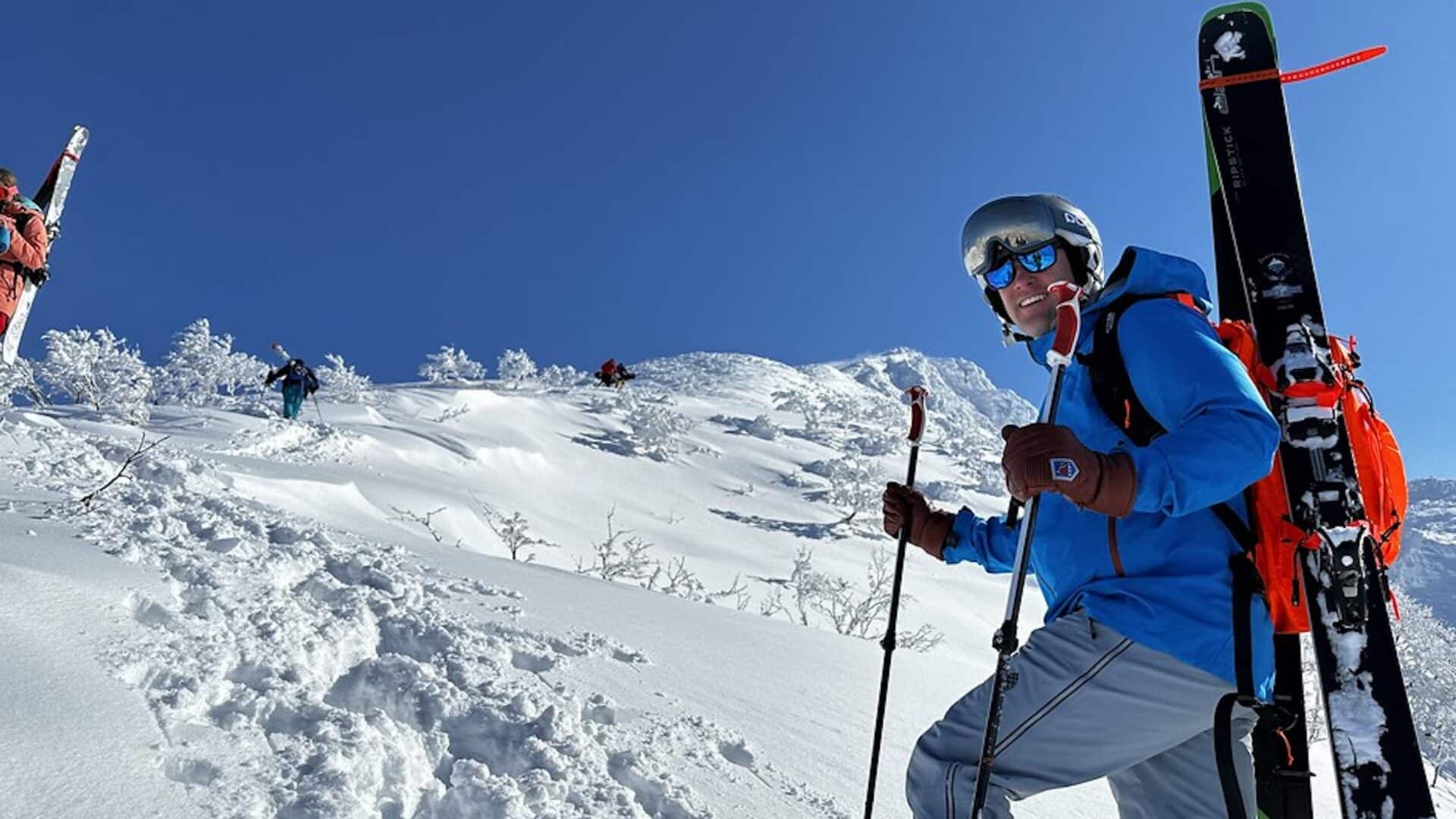
Why Polarized Lenses Can Be a Problem on the Slopes
When you’re out skiing or snowboarding, not all glare is necessarily bad. Reflections off of icy patches can provide visual clues about what’s happening on the snow beneath your feet. Filtering out reflective light can make it harder to distinguish icy surfaces from the surrounding snow.
Research published in the Journal of ASTM International specifically examined polarization in skiing environments, and it found that polarized filters could remove useful visual information from reflected light on icy patches potentially making some of those areas less visible.
This doesn’t mean polarized goggles automatically make skiing dangerous. The effect depends on lighting, terrain, and the specific lens. But it does show why eliminating all reflective glare isn’t ideal for winter mountain sports.
What Should You Look For Instead?
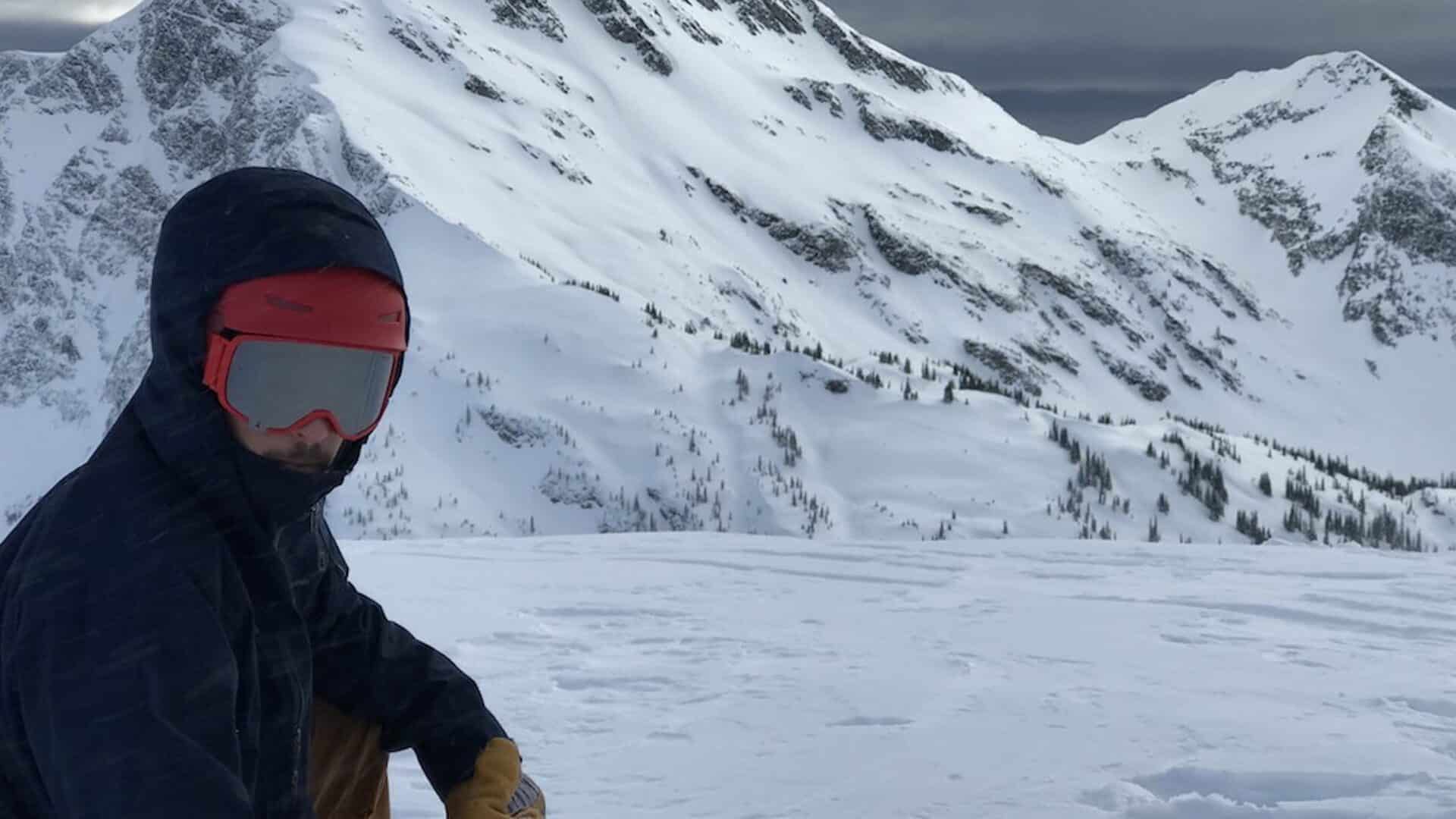
Rather than prioritizing polarization, skiers should focus on lenses that improve contrast and visibility across changing mountain conditions.
Lens tint is particularly important. Rose, amber, and copper lenses are popular because they can help highlight variations in the snow, including bumps, shadows, and changes in terrain. These features become especially valuable during flat-light conditions when it can be difficult to distinguish the snow surface.
Visible Light Transmission (VLT) is another important consideration. Darker lenses with lower VLT ratings work well in bright, sunny conditions, while lighter lenses with higher VLT ratings allow more light through during cloudy days and storms. Some manufacturers also offer photochromic lenses that automatically adjust their tint based on changing light conditions.
Polarized ski goggles aren’t inherently bad, and there are some people who prefer to use them because of their ability to reduce eye strain on exceptionally bright days. But eliminating glare can mean you lose vital visual information required to properly read the mountain.
If you really want polarized, go for it. But when it comes to picking out a pair of goggles (or a pair of sunglasses) to use on the mountain, we generally recommend sticking with non-polarized.