

South American skiing has a history that stretches back more than a century, with its origins tied not to ski resorts but to one of the continent’s most ambitious transportation projects.
According to PeakRankings, the earliest documented skiing in South America dates to the late 1880s, when workers building a railway across the Andes between Chile and Argentina relied on skis to navigate the region’s deep winter snow.
The railway project crossed some of the most difficult terrain in the Andes. During winter, heavy snowfall made travel through the high mountains extremely challenging. For engineers and laborers working on the line, skis provided a practical way to move through the snow and reach areas that would otherwise have been difficult to access.
The Trans-Andean Railway Became A Ski Lift
The connection between the railway and skiing did not end with the construction work. When the Trans-Andean railway opened to the public in 1910, recreational skiers began using the train to travel toward the Caracoles Pass. From there, they could ski back down through the Andes.
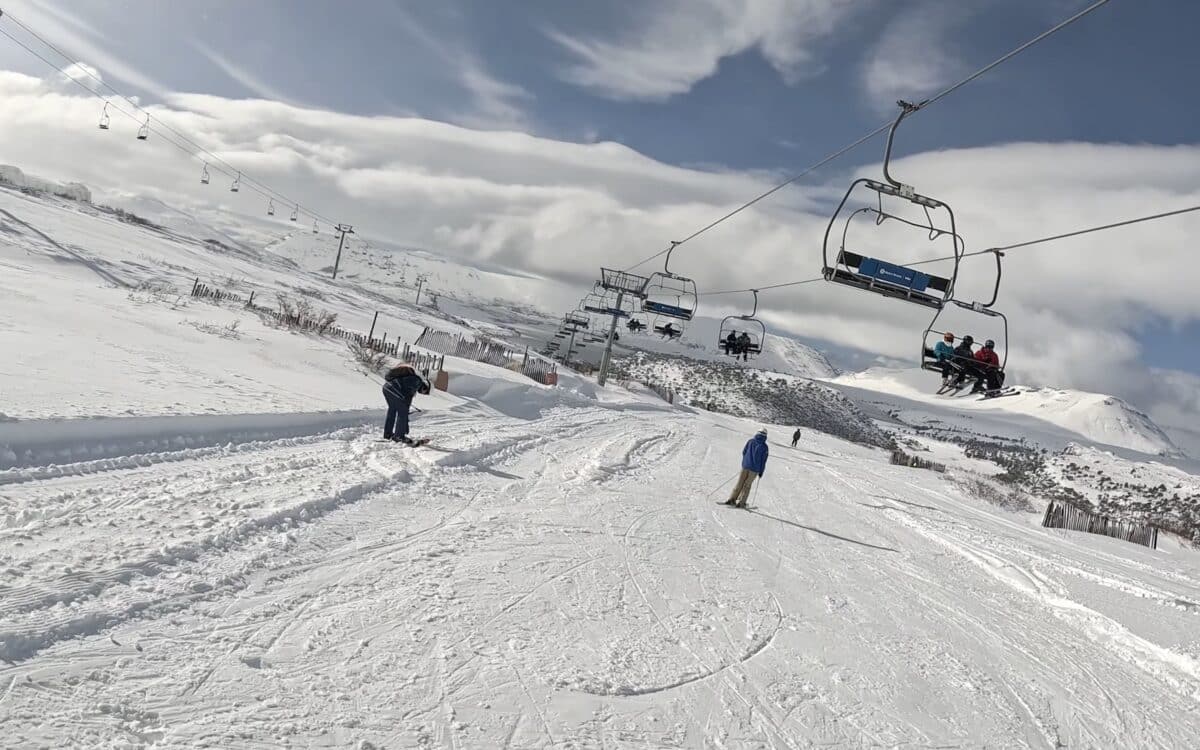
That effectively transformed the railway into Chile’s first ski lift, decades before modern ski resorts and purpose-built chairlifts became common across the region.
The Early Roots Of South American Skiing
The railway gave recreational skiers access to high mountain terrain and created an early version of the ski experience that would eventually develop into a major winter tourism industry across Chile and Argentina.
Today, South America is known for destinations that attract skiers and snowboarders from around the world during the Northern Hemisphere summer. The roots of that industry, however, can be traced back to workers crossing the Andes on skis in the late 19th century and recreational skiers riding a railway into the mountains in the early 20th century.