

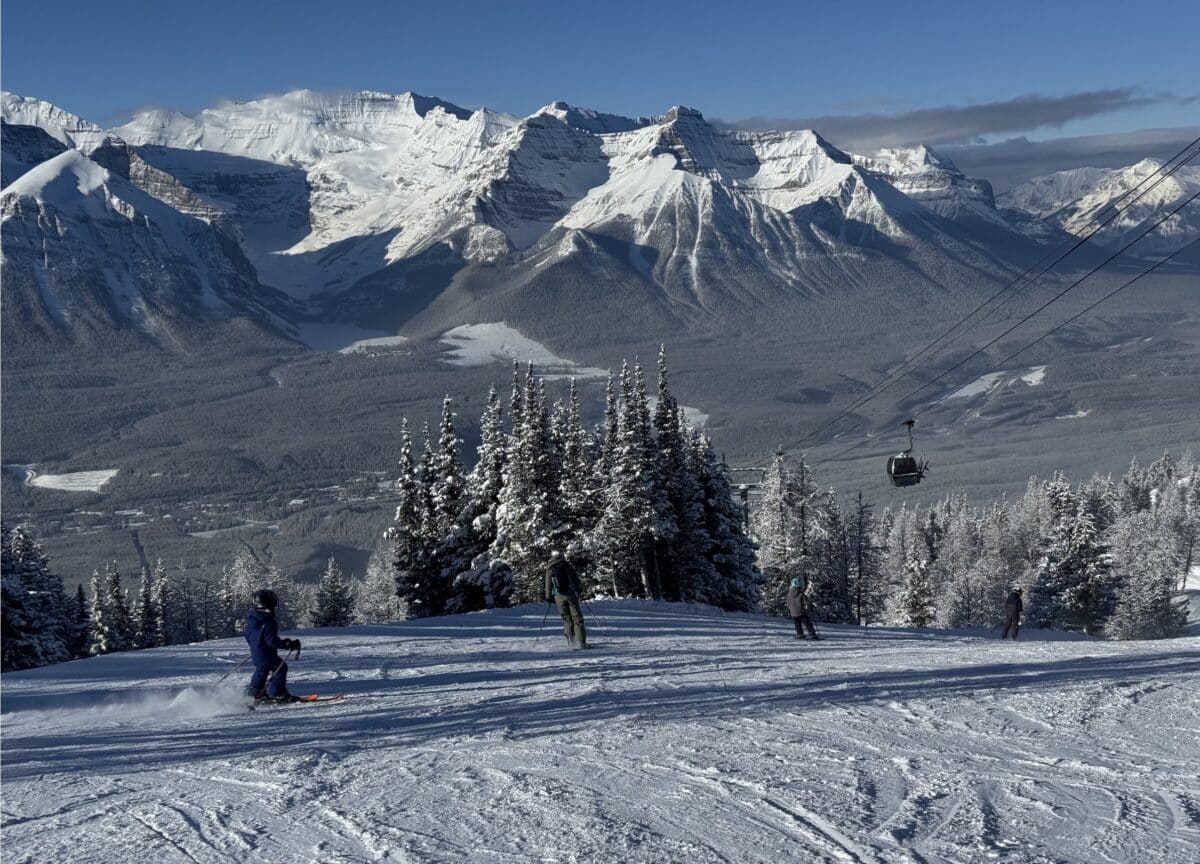
If this 2025–2026 Western North American ski season left you feeling a little heartbroken, you are absolutely not alone.
For a lot of skiers and riders, this winter felt like one long exercise in patience: watching storms miss the mountains, refreshing snow reports that barely changed, and trying to stay stoked while favorite zones stayed thin, closed, or never really came into shape. The numbers back up that frustration. Vail Resorts reported that through January 4, skier visits at its North American mountains were down 20%, after what CEO Rob Katz called one of the worst early-season snowfalls in the Western U.S. in more than 30 years. At Vail’s Western U.S. resorts, November and December snowfall was about 50% below the 30-year average; in the Rockies it was down nearly 60%, and only about 11% of terrain was open in December. Even by March 1, visits were still down 11.9%, with Vail saying the Rockies had delivered its most challenging winter ever, with the lowest snowfall in more than 30 years at its Colorado and Utah resorts.
And it was not just a resort-business problem. Colorado’s winter warmth was historic. Colorado posted its warmest winter on record, while NOAA-linked reporting showed nine Western states logged their warmest winter on record in 2025–26. Snowpack told the same ugly story: Colorado entered March with statewide snowpack around 62% of normal, while the Upper Colorado River Basin sat at roughly 57% of average. Across the broader West, federal snow-drought monitoring warned that deficits worsened from February into early March because of record warmth, and the outlook called for further deterioration with chances for record heat.
Then came the closures. In California, multiple ski areas shut down early as warm weather torched an already weak Sierra snowpack. Homewood, Dodge Ridge, Mt. Shasta Ski Park, and Badger Pass all announced early season endings, while reporting noted California’s statewide snowpack had fallen to about 45% of normal in mid-March.
But all is not lost! If you’re still itching to make great turns, here are three outstanding, still-in-season options that will genuinely save your winter and give you the epic skiing you deserve.
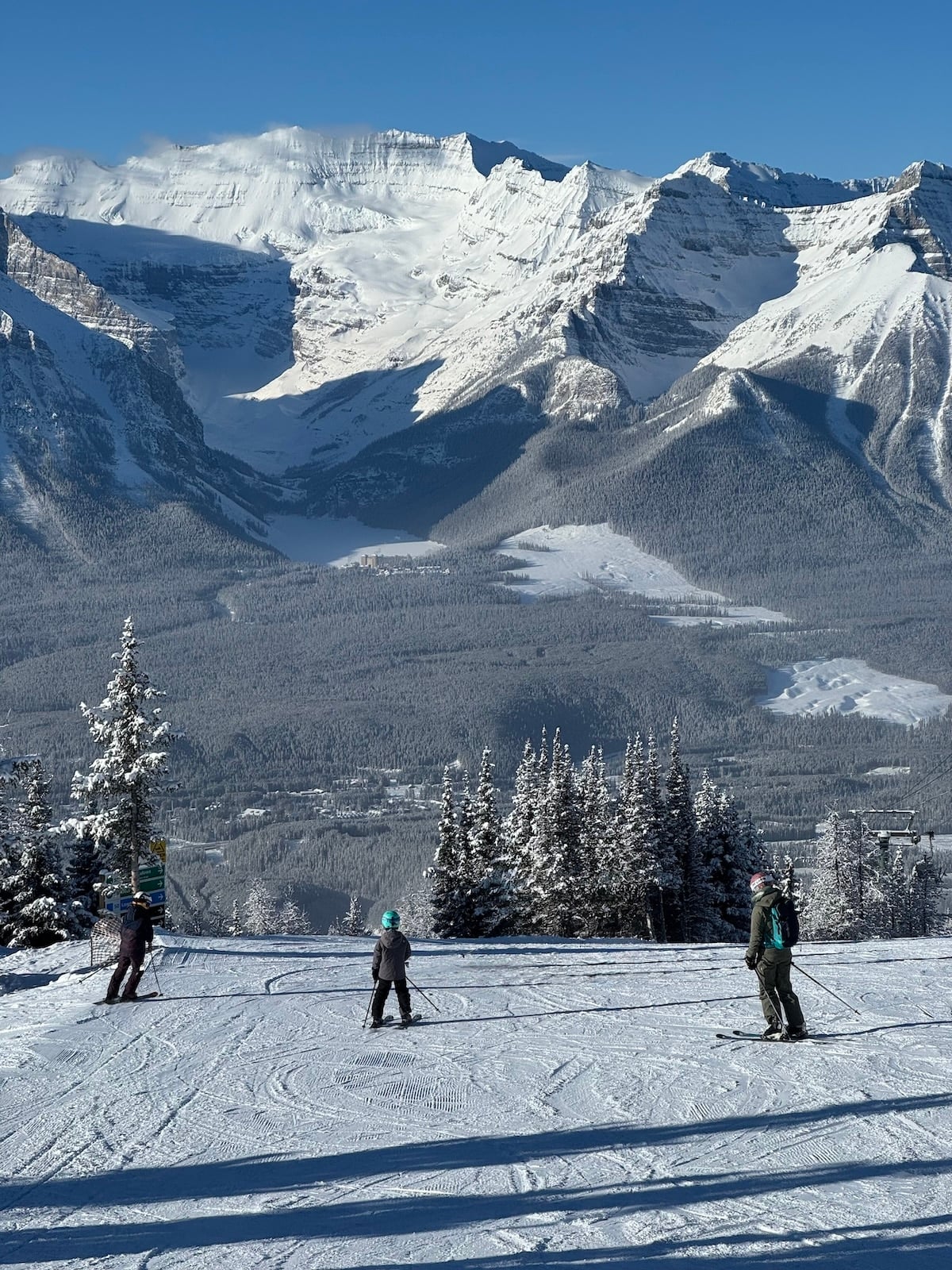
Option 1: Banff’s Big Three still look like a spring skier’s dream
If you live in the West and want the easiest, most realistic way to extend your ski season without going fully off the deep end, spring skiing Banff is the move.
The big reason is simple: while huge chunks of the Western U.S. struggled, the Canadian Rockies were one of the season’s bright spots. Banff Sunshine, Lake Louise, and Mt. Norquay still have real coverage, real terrain, and real spring upside. As of March 23, Banff Sunshine was reporting 12 of 12 lifts running, 130 of 139 trails open, a 209 cm base, and a season total of 738 cm, with its season scheduled to run through May 18. Lake Louise was reporting a 260 cm upper-mountain base, a 191 cm mid-mountain base, 13 of 13 lifts spinning, and skiing through May 3. Mt. Norquay’s latest report said coverage remained “very good across the entire mountain” after fresh snow and cooler temperatures returned, and direct-sourced reports listed about a 24-inch base; Norquay’s winter operations are scheduled through April 19.
That is exactly what you want for late-season skiing: a deep base, enough overnight freeze to keep mornings crisp, and warmer afternoons that let the mountain soften into hero snow. Sunshine, especially, is famous for hanging on deep into May, and Lake Louise’s spring setup is one of those places where you can start your day on firm chalk, chase sun around the mountain, and finish with buttery corn under a big blue Alberta sky. Mt. Norquay gives you the quick-hit local feel, shorter laps, and easy access right above town.
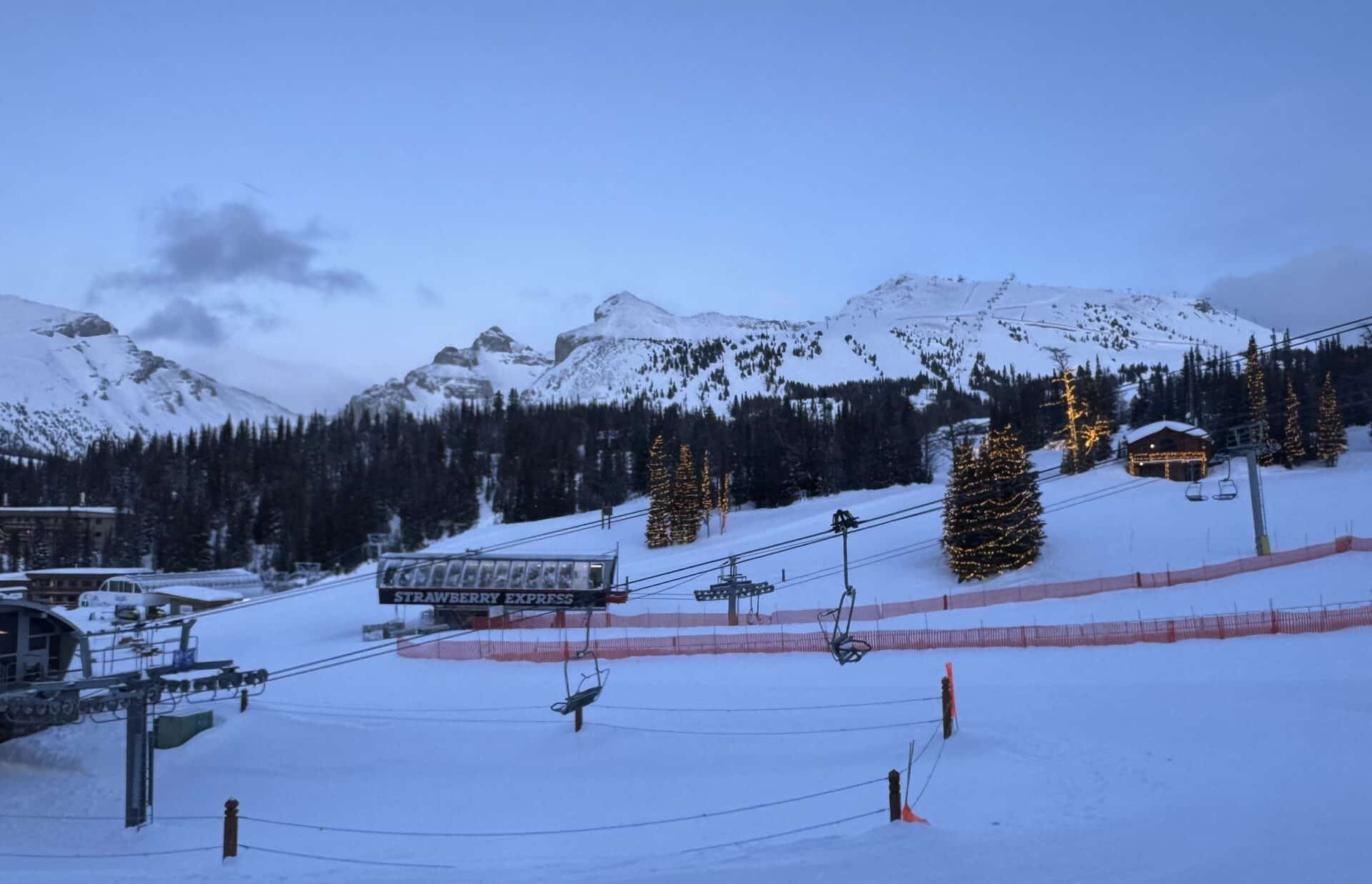
And then there is the scenery, which honestly feels unfair. You are skiing in the middle of Banff National Park, surrounded by jagged peaks, glaciers, and some of the most photogenic alpine terrain on the planet. SkiBig3 says one pass unlocks 8,000 acres across the three resorts, and getting there is refreshingly simple: Banff is about a 90-minute drive from Calgary International Airport, with airport shuttles and local ski shuttles making it easy to go car-light once you arrive.
So if you are looking to extend ski season 2026 without blowing up your life, Banff is probably the smartest play on this list. You get big coverage, gorgeous spring conditions, a proper mountain-town vibe, and a realistic shot at salvaging your winter with actual quality skiing instead of survival turns.
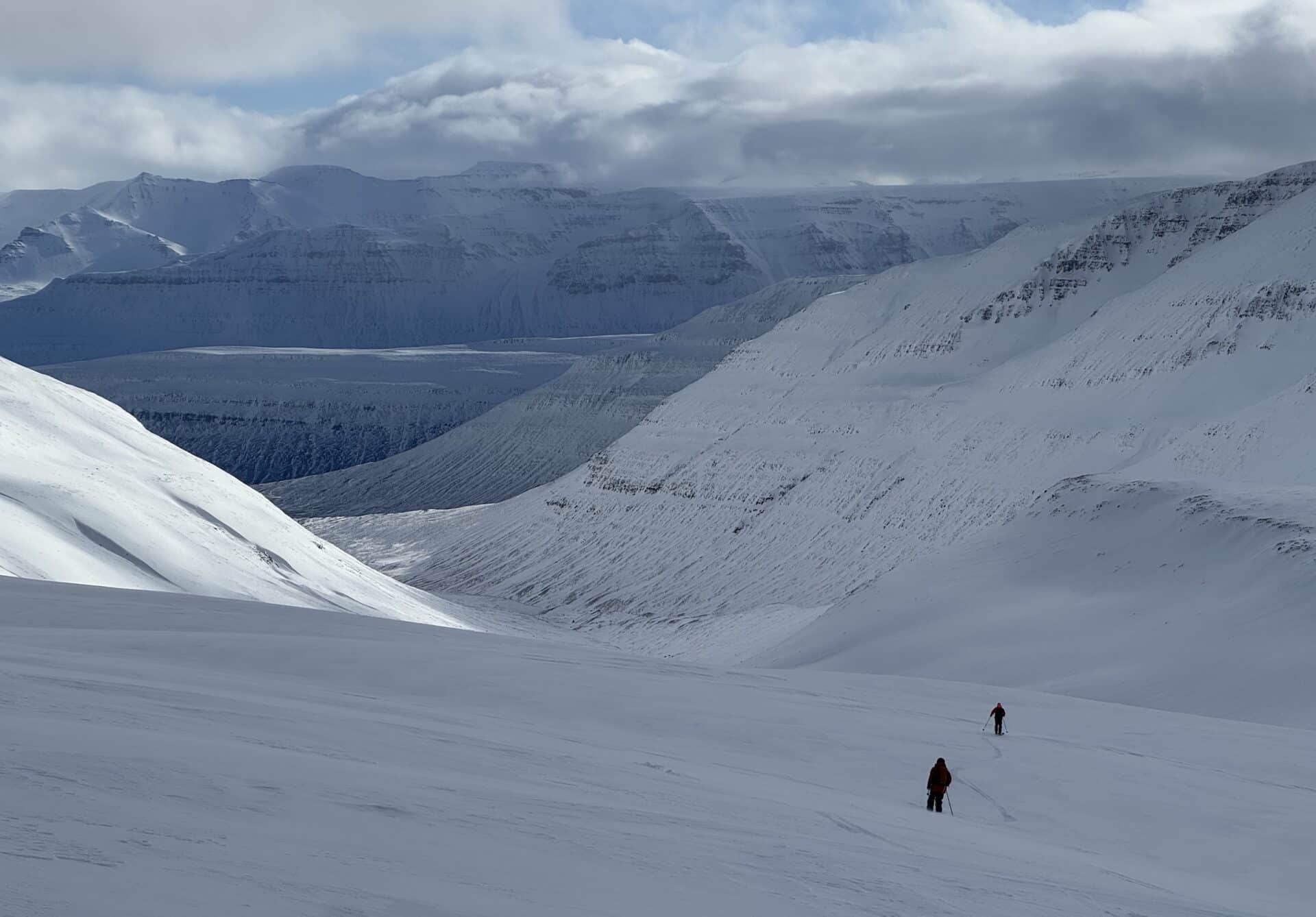
Option 2: Arctic Heli-Skiing in Iceland is the wild-card that might become your favorite ski trip ever
If Banff is the practical answer, heli-skiing Iceland is the full-send answer.
Arctic Heli Skiing operates out of North Iceland and has built one of the most distinctive ski experiences anywhere on earth: remote helicopter-accessed terrain, volcanic mountains, long fjords, summit-to-sea descents, and that surreal feeling that you are skiing the edge of another planet. The Iceland season runs from February through June, with generally excellent corn skiing lasting until the end of June.
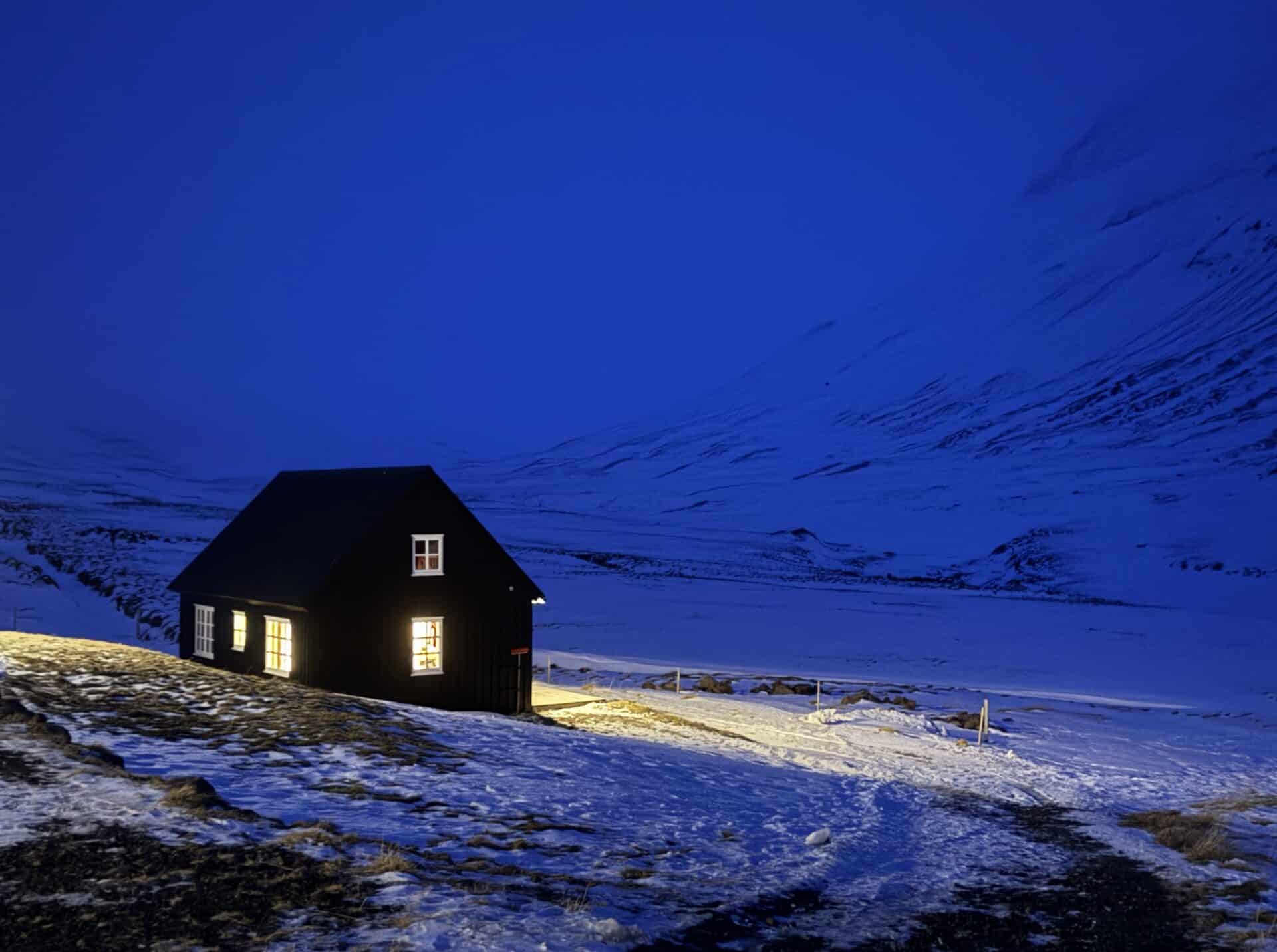
That late calendar is what makes this such a killer fix for a disappointing winter. Arctic Heli Skiing’s current 2026 calendar still shows a full spread of May departures. On top of that, its last-minute seats page says there are openings throughout the season for 1-, 2-, 4-, and 6-day programs, available first come, first served.
And May into early June is really where Iceland goes from amazing to downright mythical. This is corn-snow season at its most cinematic: smooth, supportable snow, long stable weather windows, and daylight that stretches so far into the evening it stops feeling normal. Iceland’s bright nights start in May and build toward the midnight sun in June, which means your ski day can feel endless in the best possible way. One minute you are standing on a peak looking out over black volcanic ridgelines and steel-blue water, and the next you are dropping perfect spring turns all the way toward the ocean with the helicopter waiting below.
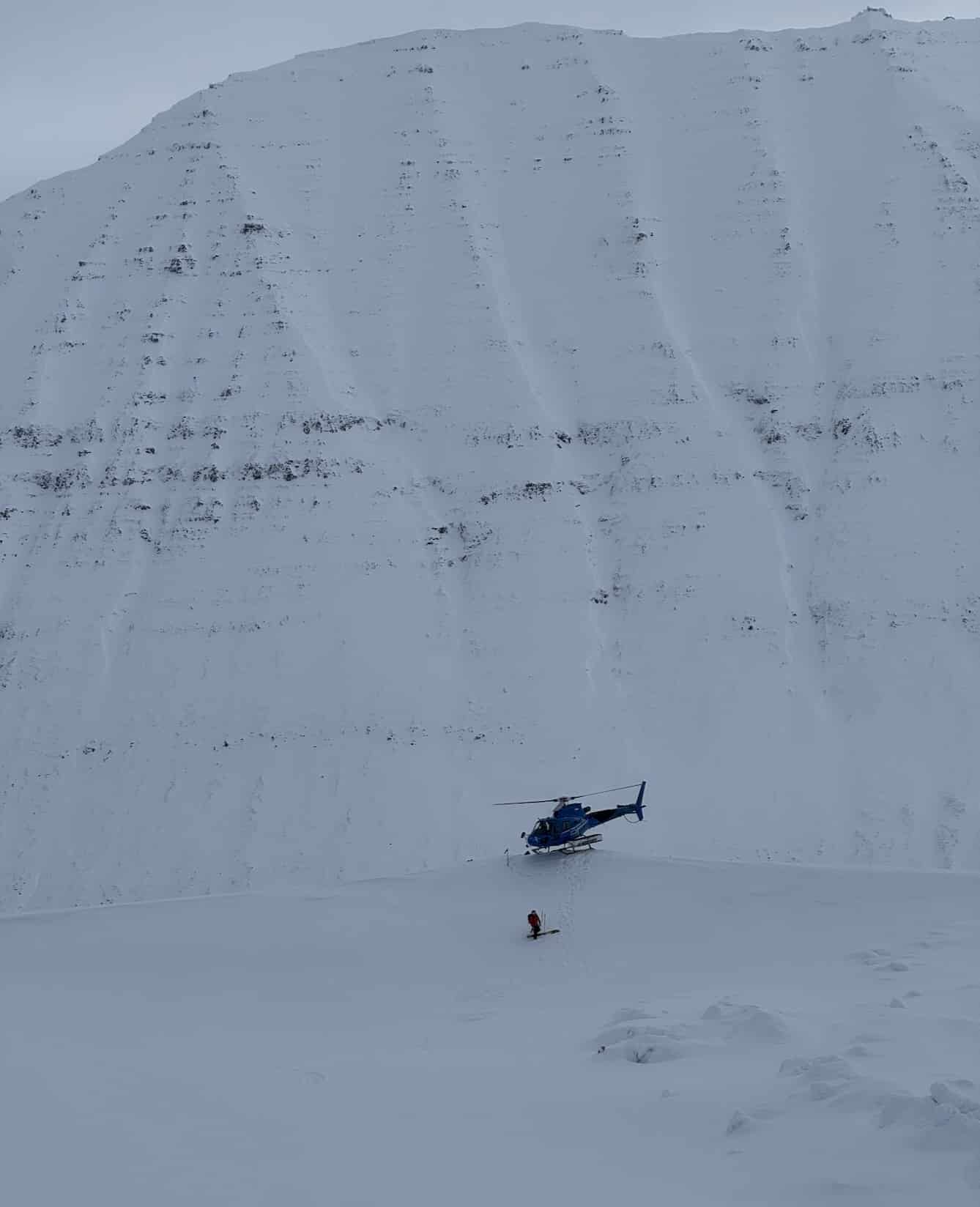
This is not just a way to extend your ski season. It is a way to completely reset it.
If your local winter left you grumpy, under-skied, and wondering where the magic went, Iceland gives you a hard reboot: no lift lines, no scraped-off manmade ribbon, no depressing parking-lot vibes. Just long Arctic light, stable spring snow, and one of the most unforgettable ski experiences you can buy.
Option 3: South America — Portillo and Valle Nevado, Chile
If you really want to turn the page, summer skiing in Chile is the cleanest, most satisfying answer of all.
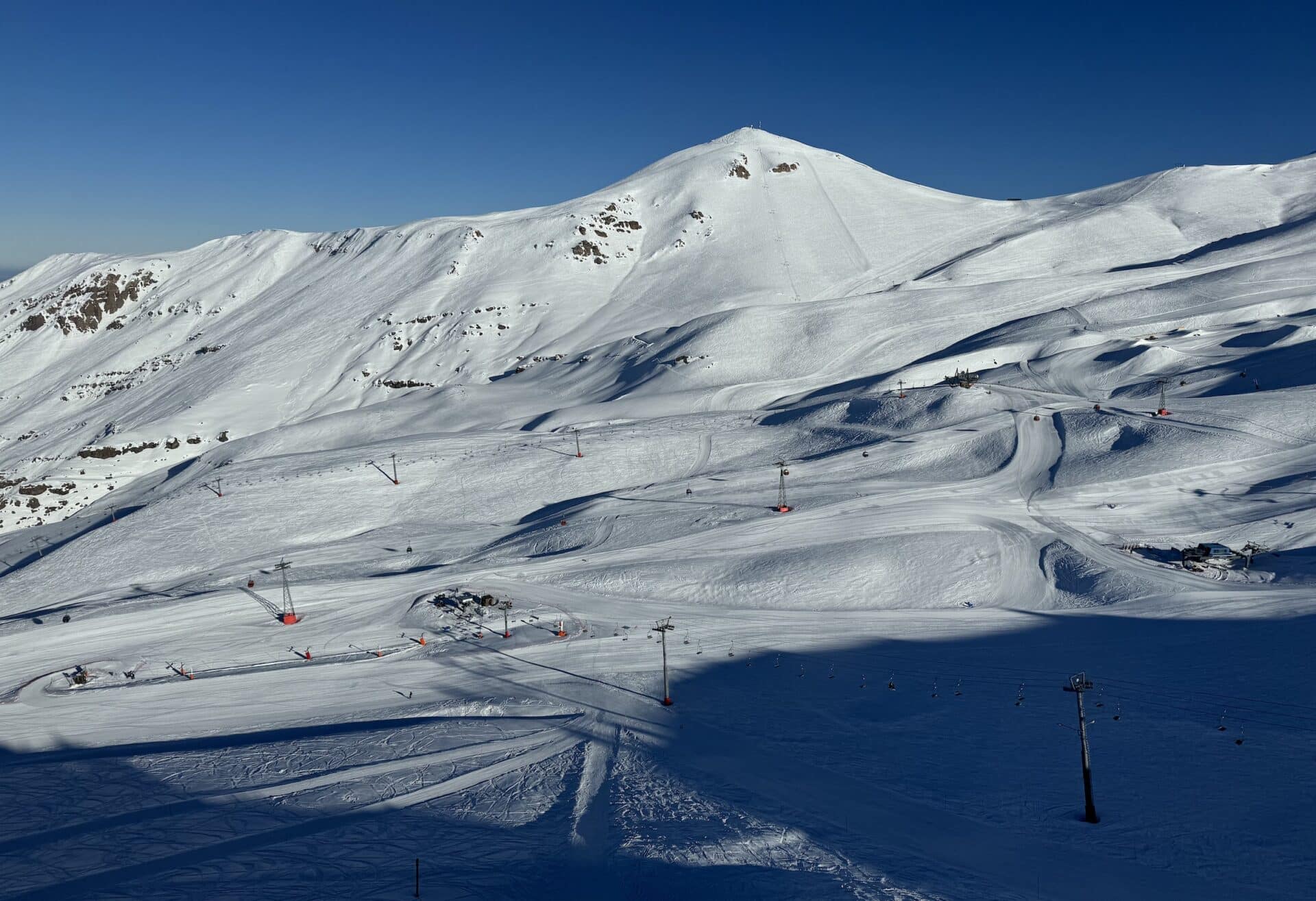
While North America melts out and trail bikes come off the wall, Chile’s Andes are just getting ready to fire up. And the beauty of this option is that it is not as logistically intimidating as it sounds. Valle Nevado says it is located 44 miles from Santiago International Airport, or roughly 1.5 to 2 hours depending on traffic and road conditions. Portillo’s official transportation page puts the drive from Santiago at about two hours. In other words: fly into Santiago, clear the airport, and you can be staring at big Andean terrain the same day.
From there, you really cannot go wrong.
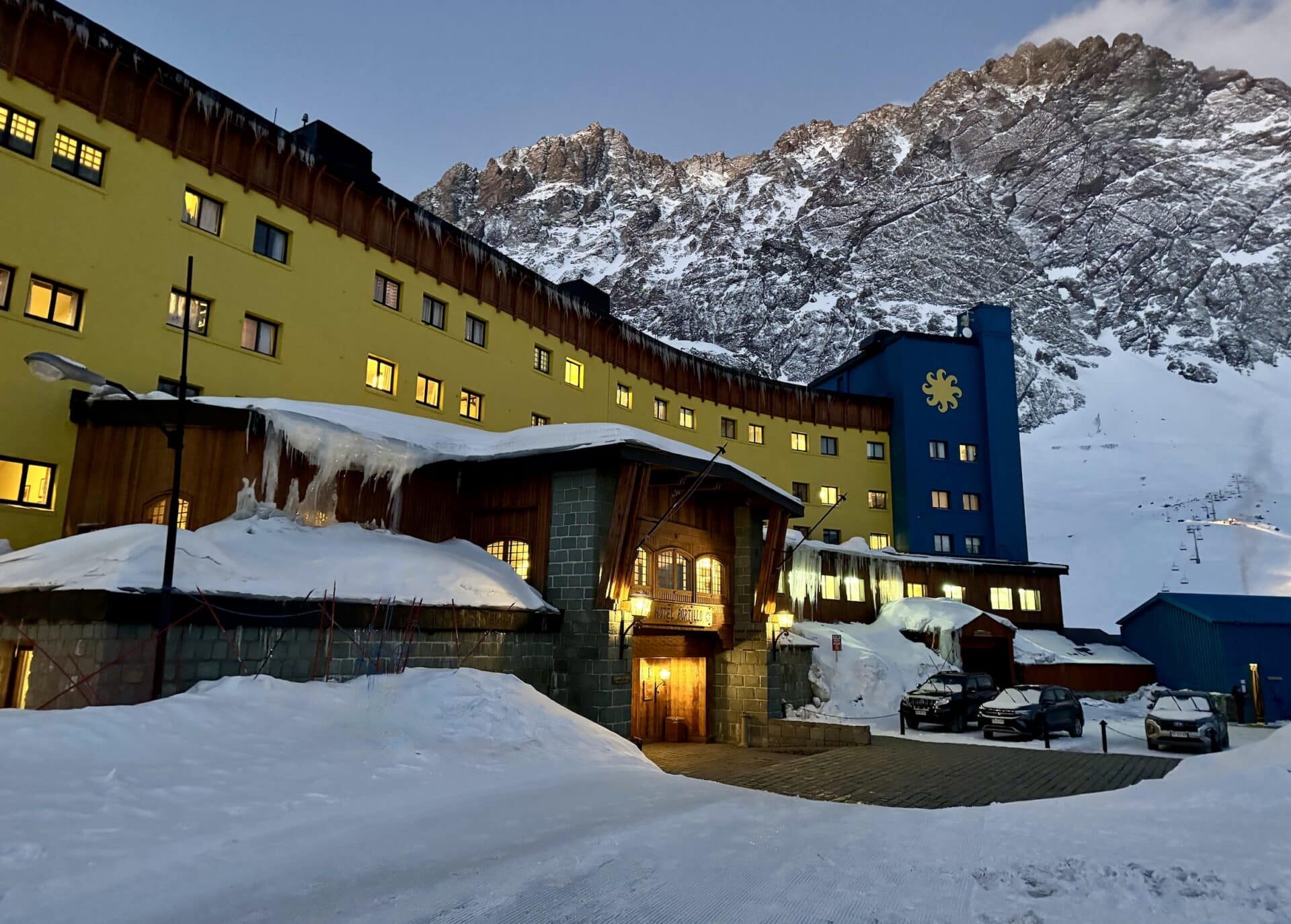
Portillo is the iconic bucket-list pick. It is the legendary yellow hotel above Laguna del Inca, with steep walls, dramatic alpine lines, and that old-school ski mythology you can feel the second you arrive. Portillo says it offers 1,235 acres of skiable terrain, with advanced and expert bowls and chutes that have made it famous for decades, all set above the emerald water of the lake. It is intimate, historic, wildly photogenic, and exactly the kind of place that feels bigger than a ski trip.
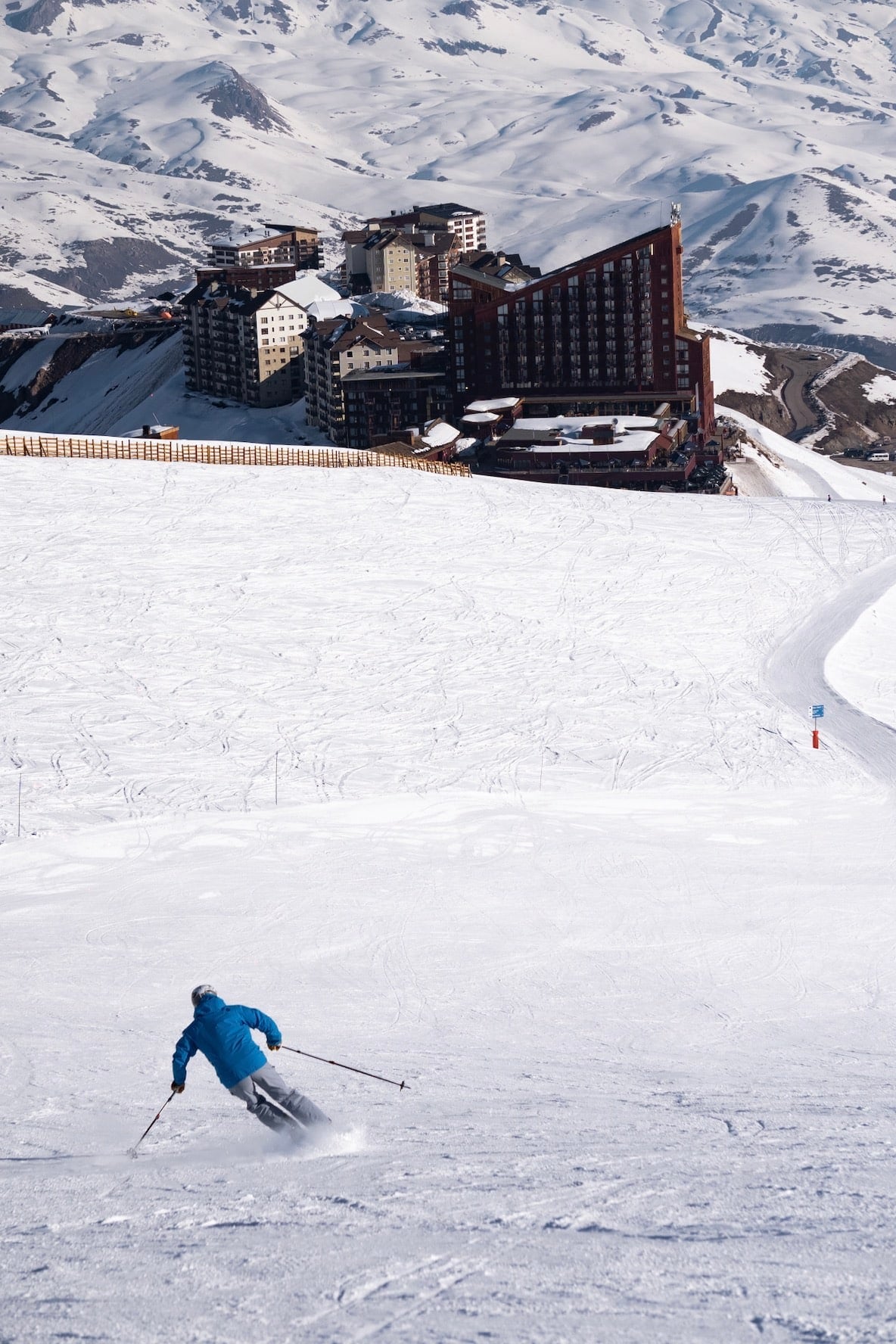
Valle Nevado is the bigger, more modern resort play. Its 2026 hotel pages emphasize ski-in/ski-out lodging, slope-side amenities, restaurants, shops, pools, and direct access to interconnected skiing with La Parva. That makes it especially attractive if you want a little more convenience, a little more infrastructure, and a little more of that full-service destination-resort feel while still skiing high-altitude Andes terrain.
The current 2026 deals add real urgency here. Portillo’s 2026 season runs June 20 to September 26. Its Early Booking 2026 offer gives you 2025 rates if you book with a 50% deposit by December 31. For seven-day Ski Week bookings, Portillo is also advertising a complimentary night in Santiago at either the Ritz-Carlton Santiago or Bidasoa Eco Boutique Hotel, plus free round-trip regular transportation from Santiago for high-season Ski Week stays from July 12 to 26. Portillo is also promoting Kids Ski Free in low season windows.
Valle Nevado’s Early Booking 2026 offer is even more aggressive: 50% off stays of at least two nights from June 19 to July 3 and again from September 11 to season’s end; 30% off select seven-night high-season stays; 25% off several other stay windows; and 20% off shorter 3- and 4-night stays in additional periods. The package includes hotel lodging, breakfast and dinner, and an interconnected ski ticket with La Parva, but the promotion requires full payment by March 31, 2026, and is subject to availability.
That is why Chile is such a powerful way to extend your ski season. You are not just squeezing in a few last turns. You are replacing disappointment with something memorable: sunlit flights south, huge Andean views, dry high-altitude snow, a completely different culture, and the pure novelty of clicking into your skis while everyone back home is talking about beaches and barbecues. If this winter let you down, Banff, Iceland, and Chile can still turn 2026 into a season you actually remember. Just do not wait too long — the best spring and summer ski trips are exactly the kind of trips that disappear while everyone else is still debating whether winter is really over.