


Few things can ruin a day of skiing or snowboarding faster than foggy goggles. Suddenly losing visibility when you’re trying to enjoy some great powder, are dropping into steep terrain, or navigating a crowded run is one of the most annoying things that can happen on the mountain.
If you’ve had this issue, don’t worry. Goggle fog is a common problem for skiers and snowboarders, but there are several ways to prevent it.
Why Do Ski Goggles Fog Up?
Goggle fog is caused by condensation. When warm, moist air from your face meets the colder air surrounding your goggles, tiny water droplets form on the inside of the lens.
Sweating, breathing, and excess moisture trapped around your face can all contribute to the problem. Without proper ventilation that moisture has nowhere to go, eventually creating the familiar layer of fog that makes it difficult to see.
Tips For Preventing Goggle Fog
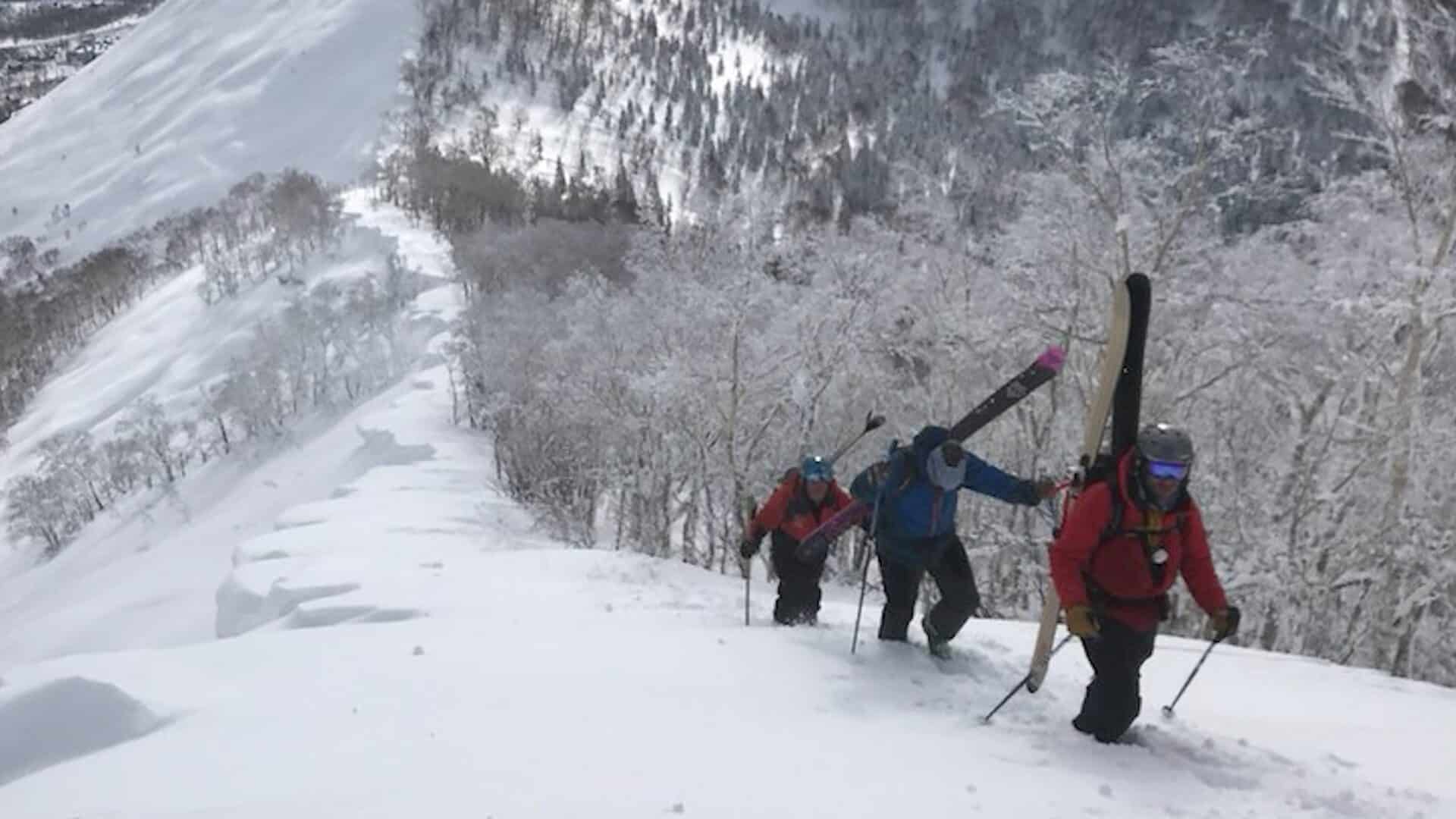
Preventing fog often comes down to making a few adjustments to your equipment and how you wear it. Here are several ways to reduce the chances of fog ruining your next day on the mountain:
- Choose quality goggles: Dual-layer lenses, anti-fog coatings, and breathable face foam help regulate temperature and manage moisture.
- Keep vents clear: Snow can accumulate around goggle vents and foam, eventually melting and creating additional moisture. Clear snow away after powder runs.
- Wear a compatible helmet: Properly aligned helmet and goggle vents help move warm air away from your face.
- Watch your face covering: A wet or poorly positioned balaclava can direct moisture from your breathing toward your goggles. Choose breathable materials that don’t interfere with the goggle foam.
- Avoid overheating: Unzip jacket vents or remove unnecessary layers to reduce sweating and moisture buildup.
- Get the right fit: Gaps between your helmet and goggles can disrupt airflow and contribute to fogging.
Take Care Of Your Goggles
What you do with your goggles after they fog up is just as important as preventing the problem. One of the biggest mistakes skiers make is wiping the inside of their lenses. Most modern goggles feature an interior anti-fog coating that can be damaged by fingers, gloves, or towels. Rubbing the inside can make future fogging problems even worse.
Instead, allow the interior lens to dry naturally. If you need to clean the exterior, use a clean microfiber cloth.
It’s also important to let goggles dry completely after skiing. Store them somewhere warm and dry, but avoid placing them directly against heaters or using excessive heat from a blow dryer which can damage the anti-fog treatment.
Finally avoid leaving goggles sitting on top of your helmet for extended periods. Exposure to cold air can make them more susceptible to fogging when you put them back on.
A little preparation and proper goggle care can make a significant difference. Take of your equipment, it’s the best way to keep it lasting a while.