

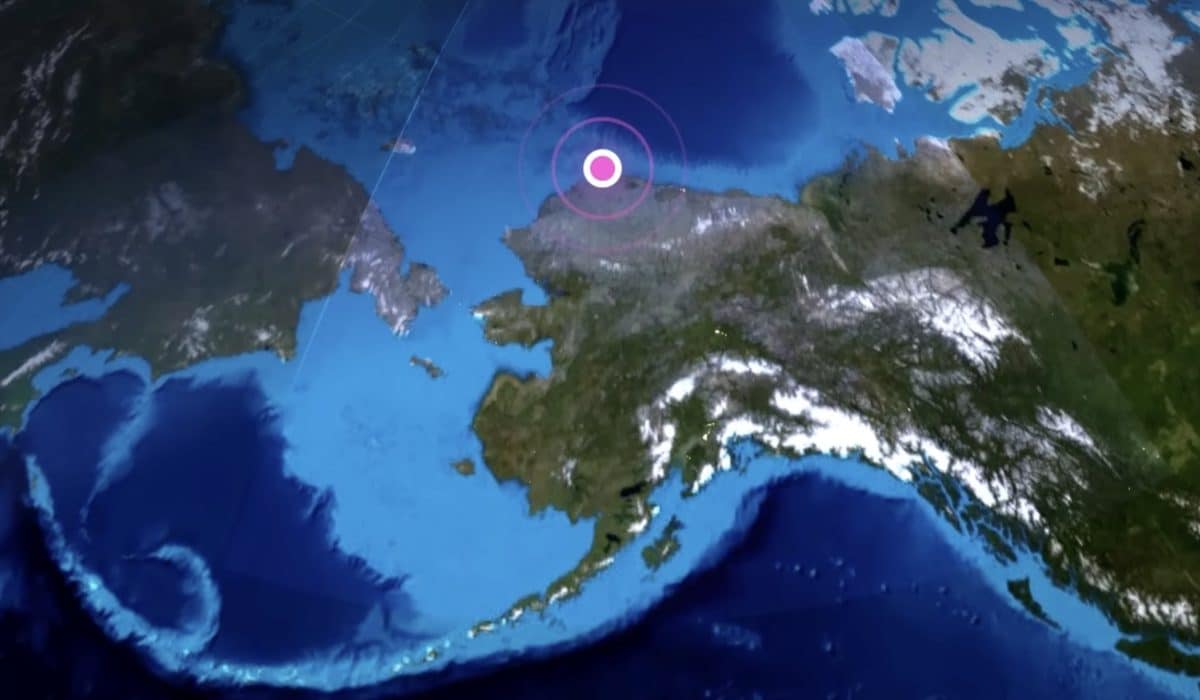
UTQIAGVIK, Alaska – The sun has officially set for the final time in 2026 in America’s northernmost city, marking the beginning of a 65-day stretch during which residents will not see the sun rise above the horizon.
Utqiagvik, Alaska, formerly known as Barrow, experienced its final sunset of the year at approximately 1:42 p.m. local time on Wednesday, November 18. The sun had risen just an hour earlier, giving residents roughly 60 minutes of daylight before disappearing until January 23, 2027.
The phenomenon, known as Polar Night, occurs every winter in communities located far enough north of the Arctic Circle. For Utqiagvik, which sits along Alaska’s Arctic Ocean coastline about 320 miles north of the Arctic Circle, it means more than two months without a single sunrise.
What Is Polar Night?
Polar Night occurs because Earth’s axis is tilted approximately 23.5 degrees. During the Northern Hemisphere’s winter, the Arctic tilts away from the sun, causing it to remain below the horizon for extended periods.
The farther north a location sits, the longer this period lasts. In Utqiagvik, the sun will remain below the horizon from November 19 through January 22, a total of 65 consecutive days.
However, that doesn’t mean the city will experience complete darkness around the clock. Even without a sunrise, the sun approaches close enough to the horizon to produce several hours of twilight around midday.
According to the U.S. Naval Observatory’s astronomical calculations, Utqiagvik will continue to experience civil twilight during the darkest weeks of winter. Around the December 21 winter solstice, residents can expect approximately three hours of twilight, when the southern horizon takes on a dim blue or pink glow despite the sun never actually rising.
The remainder of the day is spent in darkness, with moonlight, stars and occasionally the northern lights illuminating the Arctic landscape.
Life in a City Without Sunlight
Utqiagvik is home to approximately 5,000 residents, many of whom belong to the Indigenous Inupiat community, whose ancestors have lived in the region for thousands of years.
Despite its extreme location and lengthy winter darkness, daily life continues throughout Polar Night. Schools remain open, businesses operate and residents continue working, hunting and participating in community activities.
The absence of sunlight is only one of the challenges associated with winter in Utqiagvik. Temperatures regularly fall well below zero, and strong Arctic winds can make conditions even more severe.
The city also experiences the opposite phenomenon during summer. Known as the Midnight Sun, the sun remains above the horizon for more than two consecutive months, providing 24-hour daylight.
When Will the Sun Return?
The sun is scheduled to rise again in Utqiagvik on Saturday, January 23, 2027, at approximately 1:03 p.m. local time. That first appearance will last just over an hour before sunset, but daylight will gradually increase as the Northern Hemisphere moves toward spring.
For comparison, residents of most American cities are currently experiencing around nine to 11 hours of daylight each day. In Utqiagvik, there won’t be another sunrise until well after the Christmas and New Year’s holidays.
The annual event has attracted attention for years. In 2020, a local schoolteacher documented the return of sunlight after the city’s winter darkness, sharing photographs and reflections on life in the Arctic.
While 65 days without a sunrise might sound unimaginable to people living farther south, Polar Night is simply part of the annual rhythm of life in America’s northernmost city.
