

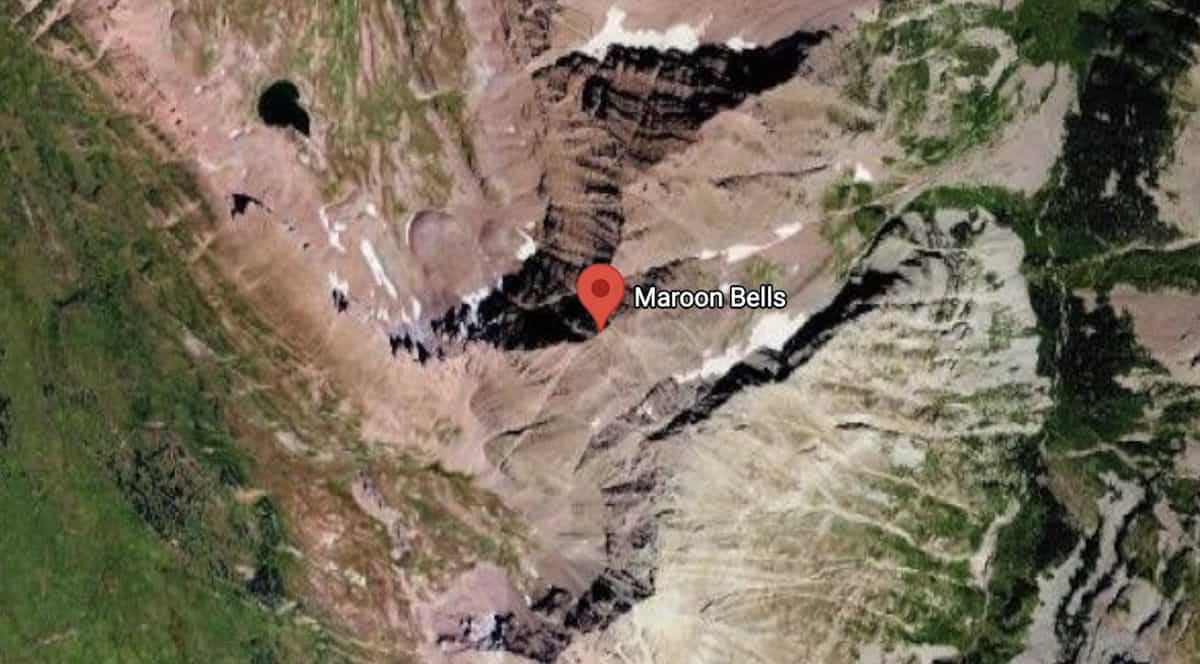
CRESTED BUTTE, Colo. — A 37-year-old solo hiker was rescued by a Colorado Army National Guard Black Hawk helicopter Friday morning after becoming stranded in waist-deep snow near a 12,000-foot mountain pass and spending the night in freezing temperatures.
The rescue began Thursday, October 29, at approximately 8 p.m., when emergency dispatchers in Pitkin County received a text message from the woman containing just three words: “Please help me.”
According to Crested Butte Search and Rescue, the woman was hiking the Four Pass Loop, a 27-mile route through the Maroon Bells-Snowmass Wilderness between Aspen and Crested Butte. The route crosses four high mountain passes and includes approximately 8,000 feet of elevation gain.
Before contacting 911, the woman had informed a family member that her cellphone battery was down to 10%. Communication was lost shortly after the emergency message, leaving rescuers with a single set of coordinates placing her somewhere on the north side of Frigid Air Pass.
With temperatures dropping into the teens, deep snow covering the mountain and the woman’s location approximately five miles from the nearest trailhead, rescue teams faced a difficult overnight operation.
Helicopter Locates Hiker but Cannot Land
Crested Butte Search and Rescue initially contacted CareFlight of the Rockies, which dispatched a helicopter equipped with night vision capabilities.
At approximately 11 p.m., the helicopter crew located the woman near her last known coordinates. She was still moving and using a headlamp but appeared to be struggling through deep snow while attempting to climb over Frigid Air Pass.
Unfortunately, the helicopter could not find a safe place to land.
Meanwhile, five volunteer rescuers began hiking from the West Maroon trailhead around 11:30 p.m., carrying a Starlink satellite communication system that allowed them to remain in contact with their mission coordinator.
The first two rescuers reached the top of Frigid Air Pass around 3:10 a.m. Friday and spotted the woman below them. Snow on the north side of the pass was thigh-to-hip deep in places, and the steep terrain presented significant avalanche concerns.
After initially attempting to descend, the rescuers encountered concerning snow conditions and decided to wait for the remaining team members rather than expose themselves to additional danger.
By approximately 5:30 a.m., all five rescuers had reached the pass. Two descended 300 to 400 feet down the north side, finally reaching the woman around 6 a.m.
Black Hawk Helicopter Called In for Rescue
When rescuers reached the woman, they discovered she was unable to walk and was suffering from significant cold-related injuries, with concerns about hypothermia.
They provided additional insulation, placed her inside a protective bivy and worked to prevent further heat loss.
With the woman stranded hundreds of feet below the pass in snow reaching four feet deep, rescuers determined there was no safe or practical way to carry her back uphill.
The team contacted the Colorado Search and Rescue Association, which coordinated an aerial extraction with the Colorado Army National Guard.
A UH-60 Black Hawk helicopter was dispatched from the High-Altitude Army National Guard Aviation Training Site in Gypsum, carrying specially trained civilian rescue technicians from Vail Mountain Rescue Group.
At approximately 9:15 a.m., the helicopter arrived over the scene. A rescue technician was lowered to the woman, and both were successfully hoisted into the aircraft.
The woman was transported to Aspen Airport, where she was transferred to another medical helicopter. By approximately 10:05 a.m., she was being flown to the UCHealth Burn and Frostbite Center in Aurora for specialized treatment.
Her subsequent medical condition has not been publicly disclosed.
Five Rescuers Also Evacuated by Helicopter
The rescue operation was not finished once the woman was safely aboard the Black Hawk.
Five search and rescue volunteers remained on the mountain after spending the entire night in freezing conditions, including two who were still positioned in avalanche terrain below Frigid Air Pass.
The National Guard helicopter returned and conducted two additional pickups, transporting all five rescuers back to the West Maroon trailhead.
By approximately 10:24 a.m. Friday, everyone involved in the rescue was safely out of the backcountry.
Crested Butte Search and Rescue said it released the unusually detailed account to demonstrate the complexity of mountain rescue operations and the importance of cooperation between local volunteers, medical aviation crews and military personnel.
The organization also emphasized that its members do not judge people who require assistance and that even well-prepared backcountry travelers can encounter unforeseen emergencies.
The mission came at the end of an exceptionally difficult week for the team, which responded to three serious incidents in a matter of days. Two of those missions involved fatalities.
The rescue serves as a reminder of how quickly early-season snow can complicate travel in Colorado’s mountains. Recent storms have also created dangerous conditions for other high-elevation search operations.
Backcountry travelers should carry adequate insulation, emergency shelter and reliable communication equipment, while checking current weather and Colorado Avalanche Information Center forecasts before heading into snow-covered terrain. Avalanche safety education and appropriate training remain important even early in the season.
Crested Butte Search and Rescue offered one particularly simple piece of advice following the mission:
“So throw that extra puffy in your pack!”
Notably, Elon Musk, the CEO and controlling owner of SpaceX, the aerospace company that develops and operates the Starlink satellite internet network, highlighted the rescue with the simple statement “Starlink saves lives.”
