

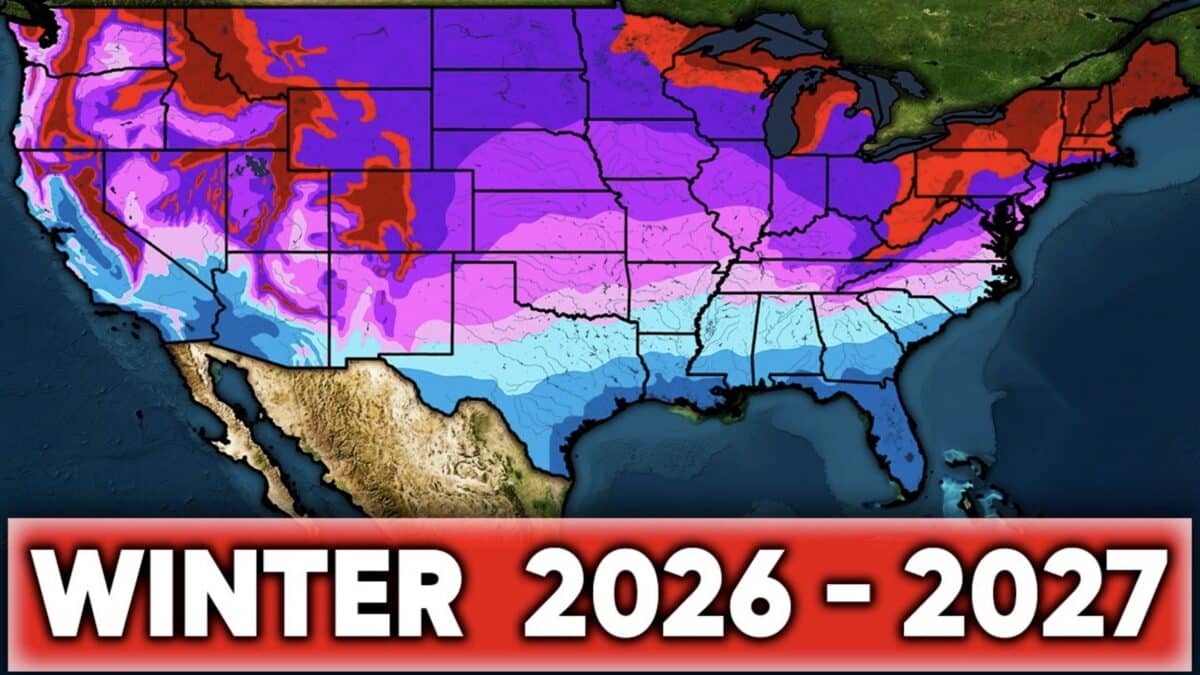
The first measurable snowfall of the 2026-27 season could arrive at very different times across the United States, with high elevations in the Rockies among the earliest areas to see snow.
According to a Direct Weather‘s new first snowfall forecast, parts of Montana, Wyoming and Colorado typically see their first measurable snowfall as early as September, and that’s already come true in a few areas. Much of the higher terrain across the northern Rockies, Utah and Colorado typically sees its first measurable snow during the first half of October.
By late October, the snowfall zone expands across the Cascades, Sierra Nevada and additional areas of Idaho, Montana, Wyoming and Colorado. This is also when higher elevations in Nevada and New Mexico can typically begin seeing measurable snow. For skiers and snowboarders watching for the first signs of winter, these mountain regions will be among the most important areas to monitor.
Cascades and Northern Plains
Higher elevations across the Cascades generally enter their first snowfall window by late October or early November, though some ski areas in the region have already seen up to half a foot of snowfall in recent weeks.
Direct Weather expects the early November period to encompass much of the highest terrain across the Cascades, Sierra Nevada and Rockies. The northern Plains also begin seeing more widespread measurable snowfall during early November. Nebraska and areas farther north typically enter this window, along with portions of Iowa, Minnesota, Wisconsin and Michigan.
However the forecast suggests some areas could see a later start than normal. Warmer and drier conditions are expected across the Northwest during fall, which could delay the first measurable snowfall in some locations.
Midwest and Northeast
The timing shifts later as you move east and south. Much of the Midwest and northern Appalachian region typically sees its first measurable snowfall during November. By late November, the snowfall window expands across northern Illinois, southern Wisconsin, northern Indiana, Ohio and additional portions of the Appalachians.
The Northeast has some of the earliest snowfall dates at higher elevations, including the Adirondacks, Green Mountains and White Mountains. Lower elevations generally wait longer, with portions of the region not reaching their average first measurable snowfall until December.
Direct Weather expects below normal temperatures across the Great Lakes and Northeast during fall. That could increase the chances of seeing the first snowfall somewhat earlier than average.
Mid-Atlantic and Southern States
The Mid-Atlantic generally waits until December for its first measurable snowfall. Much of Pennsylvania, West Virginia, Virginia and New Jersey enters the typical snowfall window during the first half of December. By late December, the average first measurable snowfall extends into areas around Washington, D.C., Philadelphia, Delaware and southern New Jersey.
Farther south the wait can extend into January. Northern Texas, Oklahoma, Arkansas and parts of the lower Mid-Atlantic and northern Southeast are among the areas where measurable snowfall typically arrives during the first weeks of the new year.
Direct Weather is forecasting below normal temperatures and above average precipitation across much of the South and East this winter. The combination could provide more opportunities for an earlier first measurable snowfall in some areas.
What It Means for Ski Season
These dates represent average first measurable snowfall, not necessarily the first snowflake of the season. Many locations can see occasional flakes before their average date without recording measurable accumulation. For ski areas, the first snowfall is just one part of the opening equation. Consistent cold temperatures are also needed for natural snow to build and for snowmaking operations to get underway.
Overall the forecast points toward potentially earlier snowfall across parts of the Great Lakes, Northeast, Southwest and South, while warmer and drier conditions could delay the first measurable snow across portions of the Northwest and North Central states.
