

Extreme summer heat is already leading to a growing number of emergency rescues in two of Utah’s most popular national parks. The National Park Service is warning visitors to prepare carefully before hiking in Arches National Park and Canyonlands National Park after rangers responded to 23 heat related search and rescue incidents so far in 2026.
According to the National Park Service, Arches has recorded 11 heat related rescues this year while Canyonlands has recorded 12. Many of those incidents could have been prevented with better planning and preparation.
Extreme Heat Creates Serious Risks
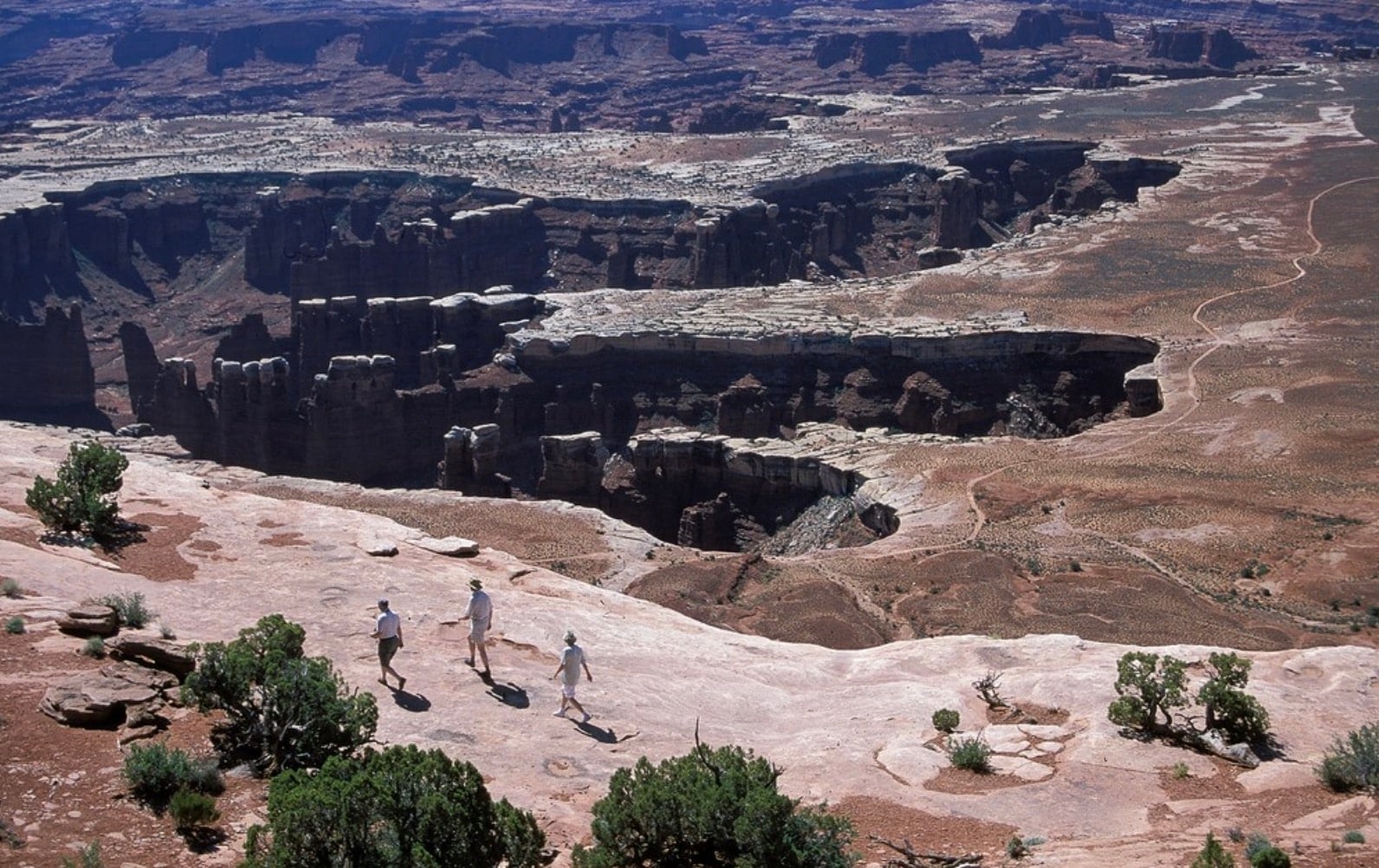
Summer temperatures in southeastern Utah regularly climb above 100 degrees. Combined with intense sunshine, low humidity, high elevation, and limited natural shade, those conditions can quickly overwhelm visitors, even during relatively short hikes.
Park officials recommend scheduling outdoor activities during the cooler morning or evening hours and avoiding strenuous hiking between 10 a.m. and 5 p.m. Visitors are also encouraged to adjust their plans based on the weather, their physical condition, and the abilities of everyone in their group.
The warning comes during one of the busiest travel periods of the year when thousands of visitors head to Utah’s famous red rock landscapes.
Rangers Share Heat Safety Tips
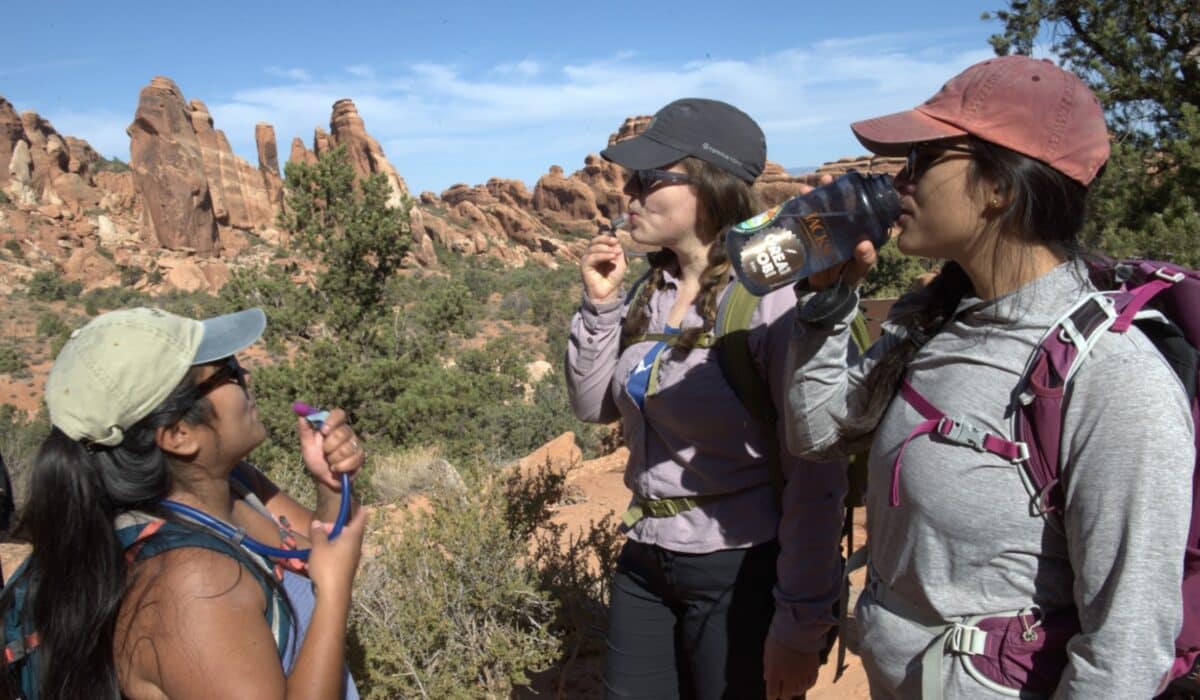
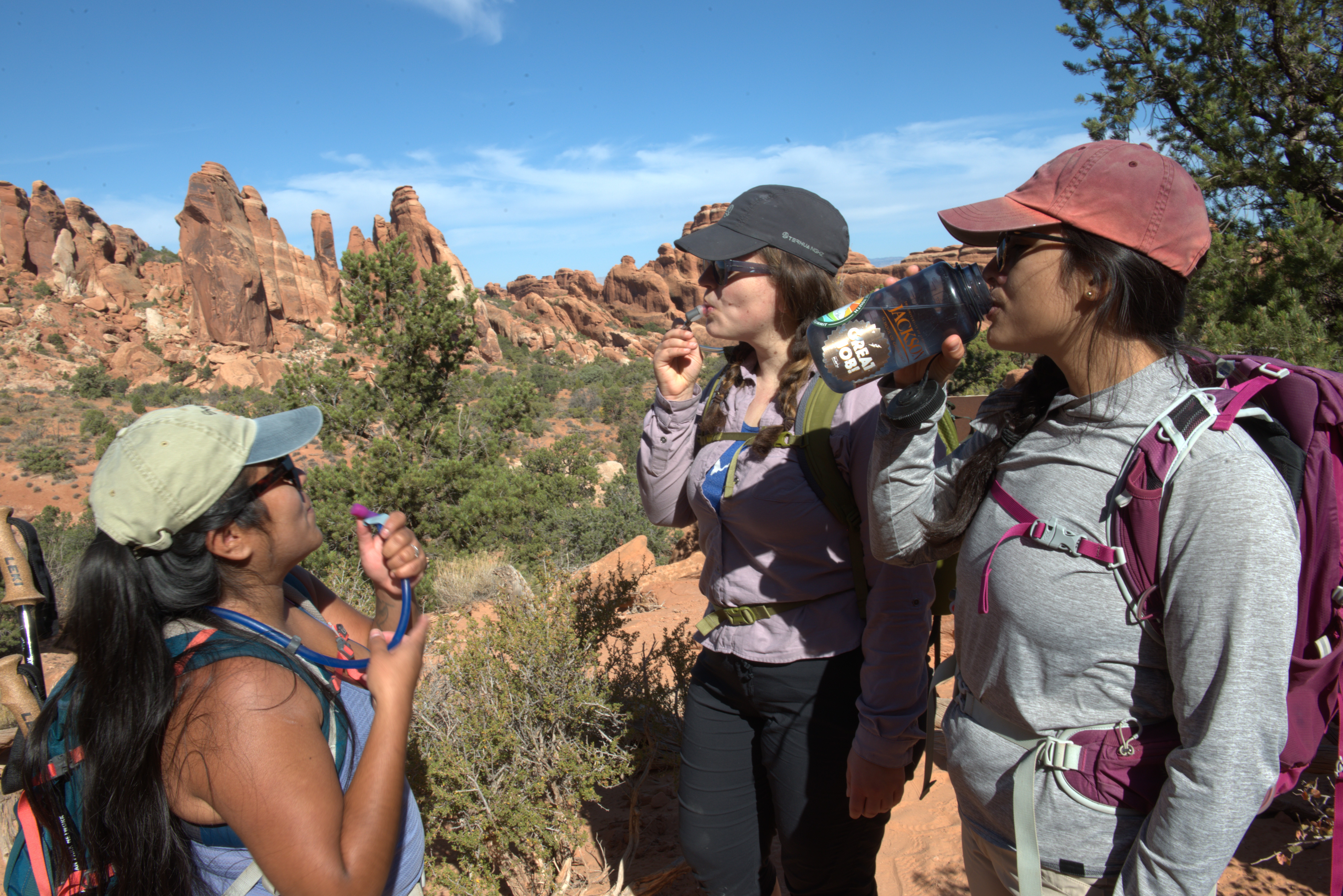
The National Park Service says proper hydration is one of the most important ways to stay safe. Rangers recommend carrying two to three liters of water per person for front country hikes and at least four liters per person for backcountry travel. Visitors should drink regularly and consider turning around once half of their water supply has been used.
Officials also recommend eating salty snacks to replace electrolytes lost through sweating, wearing lightweight clothing and a wide brimmed hat, taking frequent breaks in the shade, and choosing shorter hikes or scenic drives when temperatures are especially high.
Visitors should never leave children or pets unattended inside parked vehicles, where temperatures can become deadly within minutes.
Know When To Turn Back
Heat related illnesses can develop quickly. Warning signs include dizziness, weakness, headache, nausea, muscle cramps, confusion, and excessive sweating. Anyone experiencing symptoms should stop hiking immediately, move to a cooler location, drink water, and seek medical assistance if symptoms become severe or continue to worsen.
Park officials also encourage travelers to check weather forecasts and current park conditions before arriving and remain flexible throughout the day. Rangers say recognizing the dangers of extreme heat and being willing to turn back can make the difference between a successful national park adventure and a life threatening emergency.