

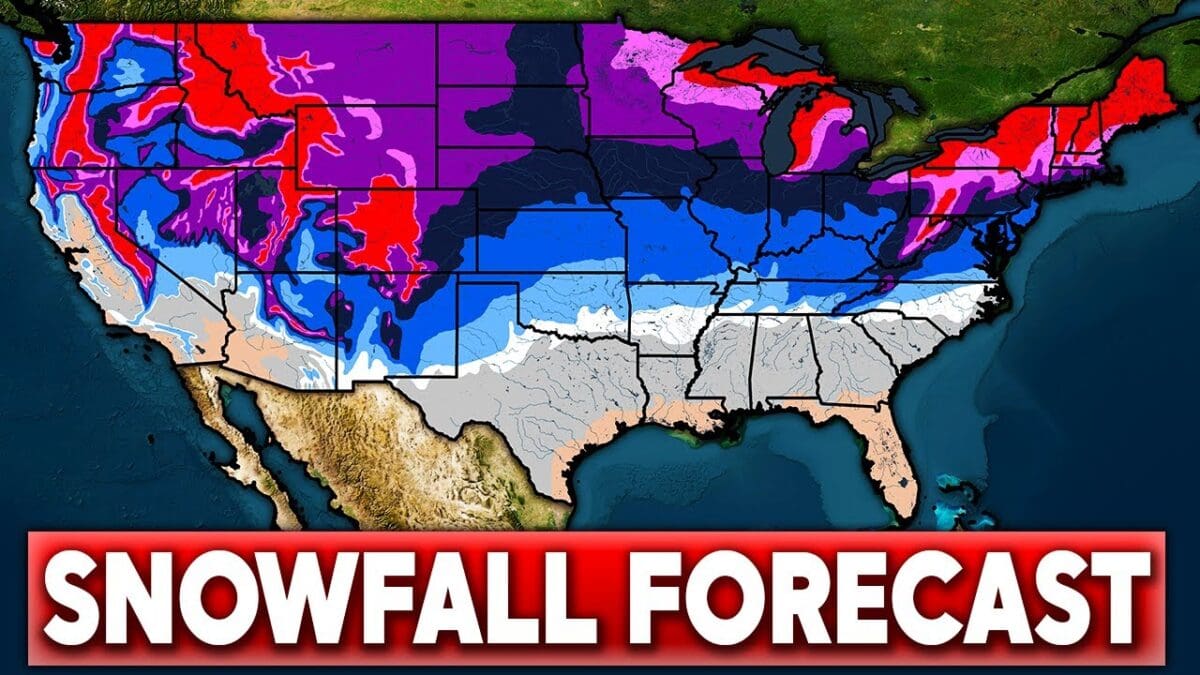
As we enter the middle of September 2025 weather patterns across the America signal a shift toward fall like conditions with prospects for early snow in high-elevation western regions. Insights from Direct Weather highlight a dynamic forecast, particularly for snow in the Rockies and Cascades.
Western Mountains Primed for Early Snow
The forecast points to above average precipitation in the West, especially from the Rockies westward. While massive storms aren’t expected, the pattern favors consistent moisture, setting the stage for potential snowfall at higher elevations. The Cascades, Sierra Nevada, and Rockies (particularly high altitude peaks) are the prime candidates for September snow. These areas, known for substantial annual snowfall (often 48–72+ inches), could see early dustings by late September if cooler air aligns with incoming moisture.
Contrasting Patterns Across the U.S.
East of the Rockies, the forecast leans toward cooler than normal temperatures. The Mid-Atlantic and Northeast are set for especially crisp conditions, though dry weather may limit precipitation. Meanwhile, the northern Plains, upper Midwest, and Great Lakes are poised for above average snowfall chances this winter, driven by colder temperatures and ample moisture.
In contrast, the Southwest, including parts of California, Nevada, Utah, Arizona, and New Mexico, faces a lower chance of snowfall due to a potential weak La Niña or neutral ENSO pattern. This could suppress the typical storm track, reducing precipitation in these regions. However, their high-elevation areas, with annual averages often exceeding 36 inches, may still see some snow, just less than usual.
What This Means
High-altitude destinations in the Rockies and Cascades could deliver early snow, perfect for those itching to scout ski terrain or enjoy crisp fall hikes. Meanwhile, the cooler, drier conditions in the East suggest ideal weather for leaf peeping or trail adventures, though snow is less likely outside mountainous areas. As the season progresses, we will keep an eye on evolving patterns, especially in the West, where precipitation and cold snaps could kick off the snow season early.
NOAA: La Niña Likelihood Increases For All Of Winter 2025/2026
