

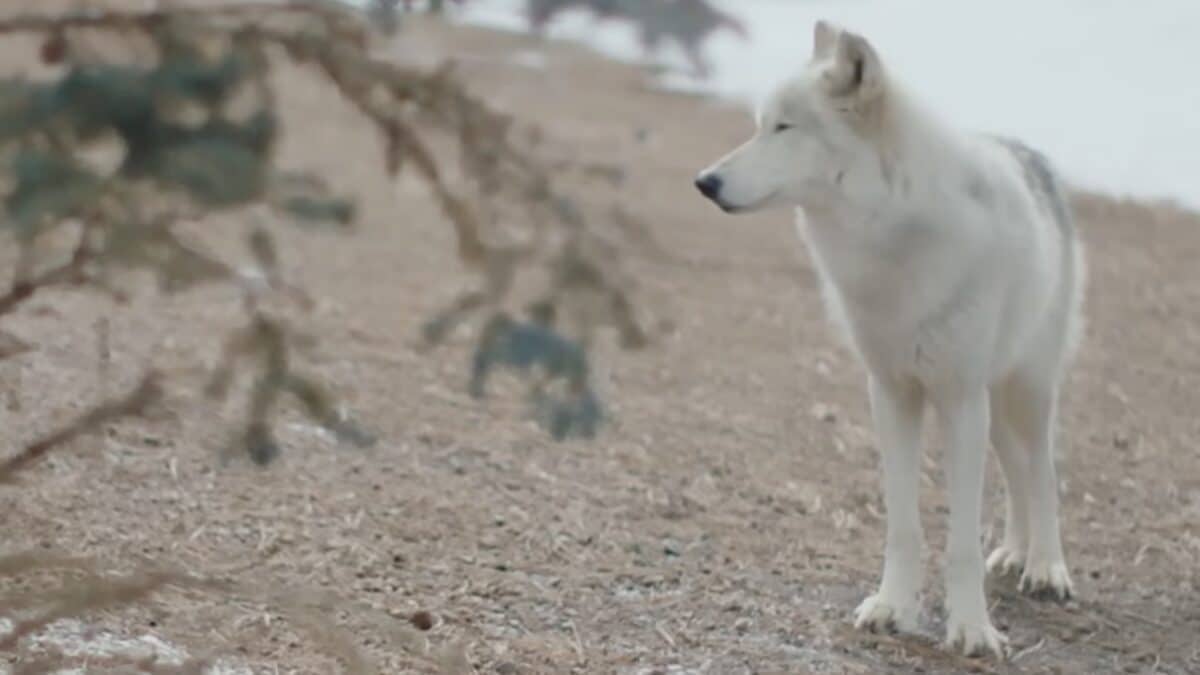
Colorado Parks and Wildlife (CPW) is temporarily suspending its chronic depredation directive, which provides guidance for the lethal removal of gray wolves involved in chronic livestock conflicts. Wolf survival rates, reproduction, translation efforts, and other biological factors will all be evaluated during the suspension. Future requests for lethal removals will be considered individually through a more conservative approach.
Colorado Has 45 Confirmed Wolves
As of September 24th, CPW had detected 45 gray wolves in Colorado, including 20 pups born this year.
The state currently has four reproducing packs and a fifth group consisting of four siblings that travel together. Several additional wolves live outside established packs and could potentially pair during the winter.
While 20 pups have been detected, CPW noted that typical pup survival rates in western wolf populations range from 50% to 60%. Colorado’s pup survival rate last biological year was considerably higher, with 82% of detected pups surviving their first year.
Adult survival, however, was lower. CPW recorded a 61% adult survival rate during the biological year that ended March 31st, 2026. The agency said a rate around 75% is more typical of an unharvested wolf population.
Five Wolves Removed This Biological Year
CPW has lethally removed five wolves since April 1st, 2026, as part of efforts to address chronic livestock depredation. The agency is also investigating one additional wolf mortality.
“Each decision to lethally remove a wolf is painstakingly evaluated and considered, and this option has only been pursued when all other viable options have been exhausted.” – CPW Director Laura Clellan
The agency is also investigating hair loss among multiple wolves in two packs in northwest Colorado. The condition could be associated with an infectious skin parasite, although no final diagnosis has been confirmed.
CPW Plans More Conservative Management
The agency will continue working with livestock producers on non-lethal tools, including technical assistance, site assessments, range riding and hazing permits. They will also continue reviewing compensation claims and exploring additional wolf translocations.
The Colorado Wolf Restoration and Management Plan recommends translocating 30 to 50 wolves over a three to five-year period. CPW said current population conditions require the agency to consider all available options.
“We’re in a critical moment for wolf restoration in Colorado. Right now, we’re leading with the central tenets of sound, science-based wildlife management by looking first at the biological and population success of wolves.” – Laura Clellan