Officials at Mount Rainier National Park have reopened The Wonderland Trail (Narada Falls to Stevens Canyon Rd) following what they described as “unusual bear activity” on May 20th.
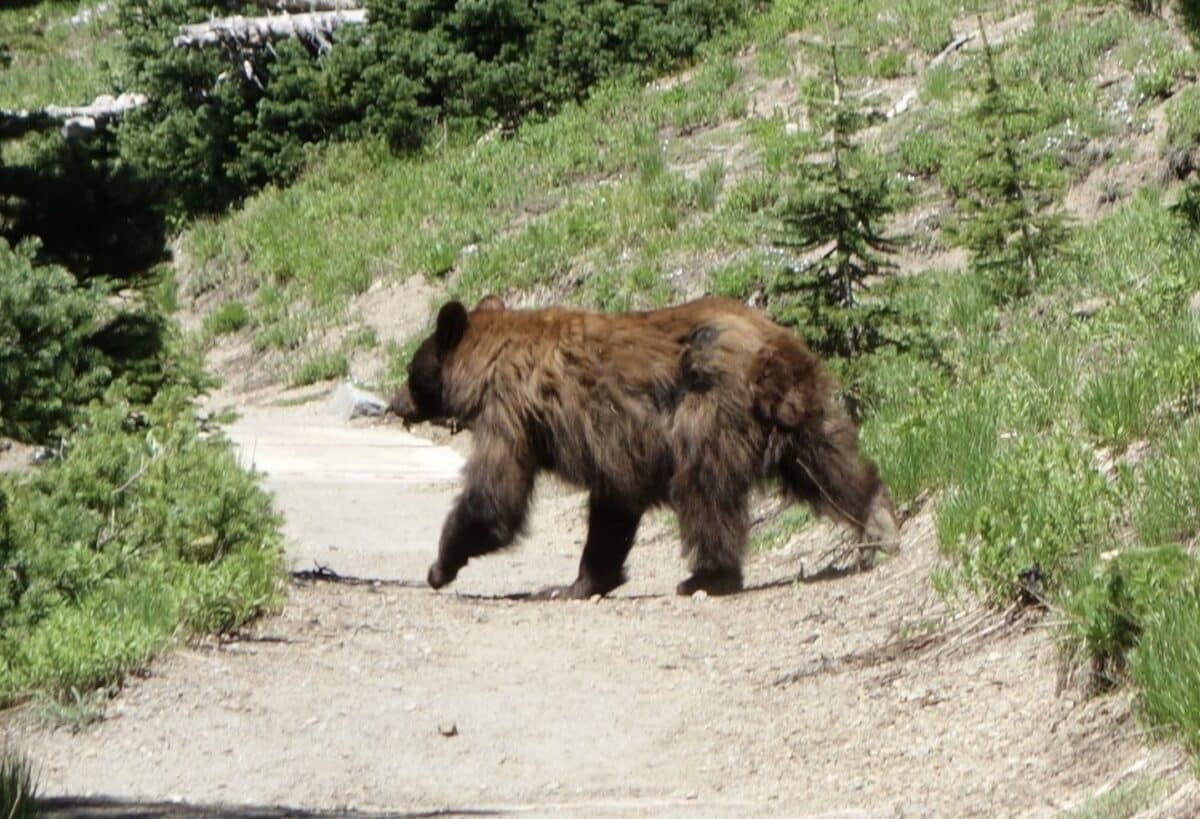
Park officials just came out with details about the incident that prompted the closure, and are now confirming that on May 20, a ranger collided with a black bear on the trail during a foot patrol from Narada Falls to Reflection Lakes.
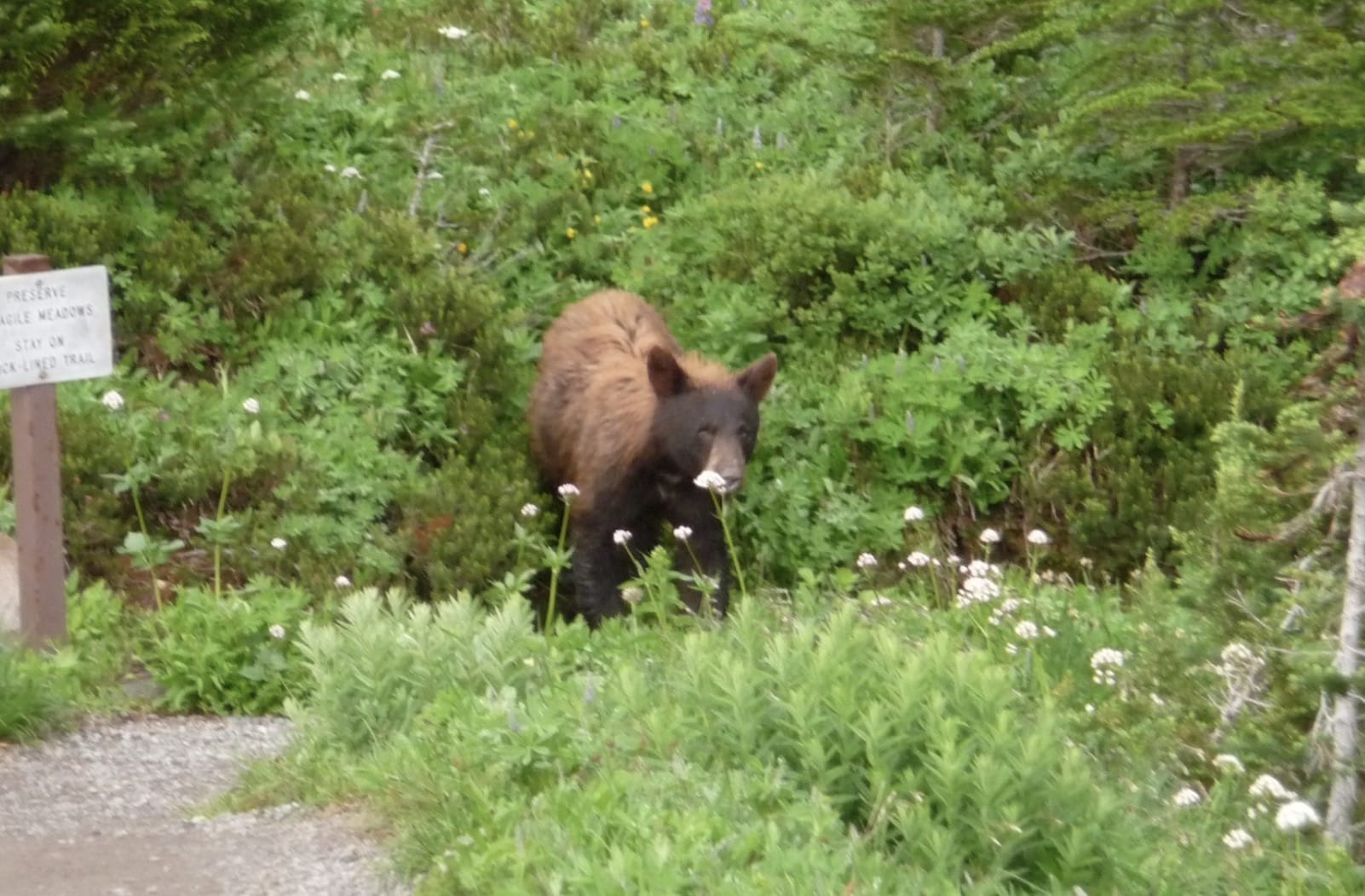
Thankfully the ranger was unharmed and the bear did not display aggressive behavior. The encounter appears to have been inadvertent. Out of an abundance of caution, Mount Rainier staff swept the area for additional hikers, and the park temporarily closed the section of the Wonderland Trail between Narada Falls and Stevens Canyon Road while staff monitored bear activity in the area.
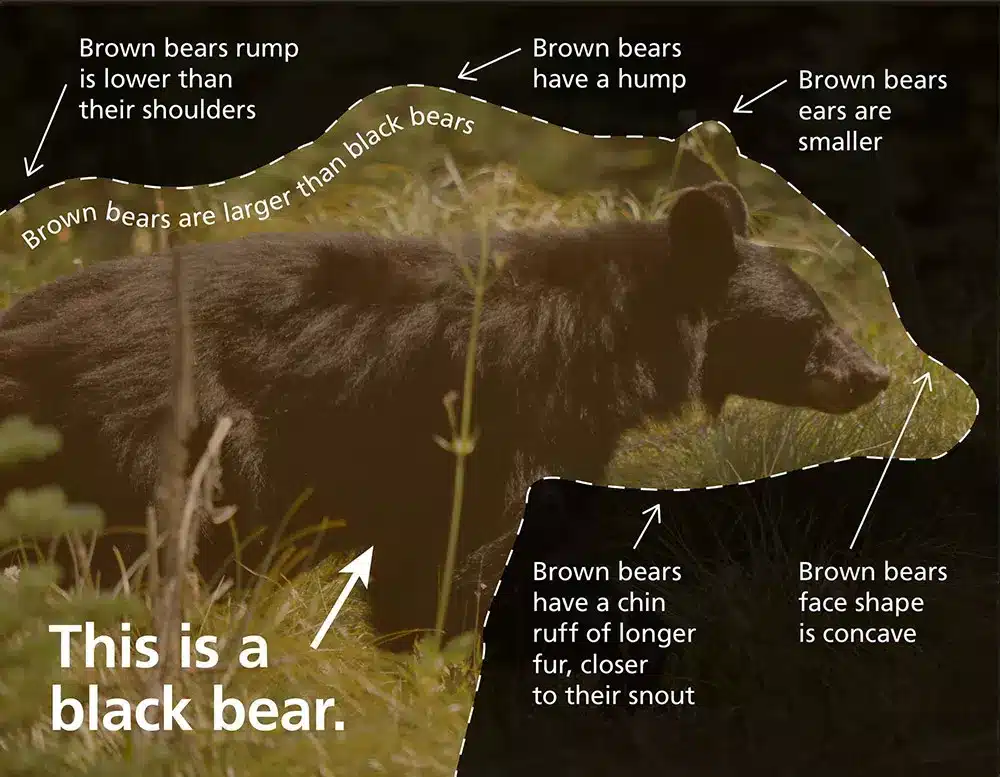
There are no brown bears or grizzly bears (Ursus arctos horribilis) in Mount Rainier National Park. However, the park is home to black bears (Ursus americanus), which can be black, brown, or cinnamon in color despite their name. Black bears are smaller than grizzly bears and lack the distinctive shoulder hump of a grizzly bear.
Mount Rainer wants to remind visitors that encounters between wildlife and humans can occur in the park, particularly during periods of increased wildlife activity in spring. The park reminds visitors to remain alert, maintain appropriate distance from wildlife, hike in groups when possible, and follow park guidance for wildlife safety.
Remember all bears need space, so don’t try to sneak up on them for photos! The recommended distance is 300 feet or about 20 cars lined up end to end. When humans get too close, over time bears can lose their fear. Never approach cubs and a mama bear, or get close to a bear eating berries. Even if they ignore you, they know you are there. An upset bear might stomp or huff loudly or lower its head.
As a reminder, If you encounter a black bear:
– Stay calm and alert.
– Do not approach the bear. If the bear is just doing bear things, keep your distance and stand quietly.
– If the bear stops, watches you, or changes direction toward you, you’re too close.
– Back away slowly while facing the bear. Never run.
If a black bear approaches or follows you:
– Stand your ground. Do not run or turn your back.
– Shout and act aggressively to scare it off, and make yourself look big by raising your arms or lifting your trekking poles into the air.
– Throw non‑food objects (like rocks or sticks) at the bear only if necessary.
– Never feed a bear or leave food behind.
– Use bear spray only as a last resort and only if the bear is within 20 yards.
If a black bear attacks you:
-Fight back. Do not play dead.
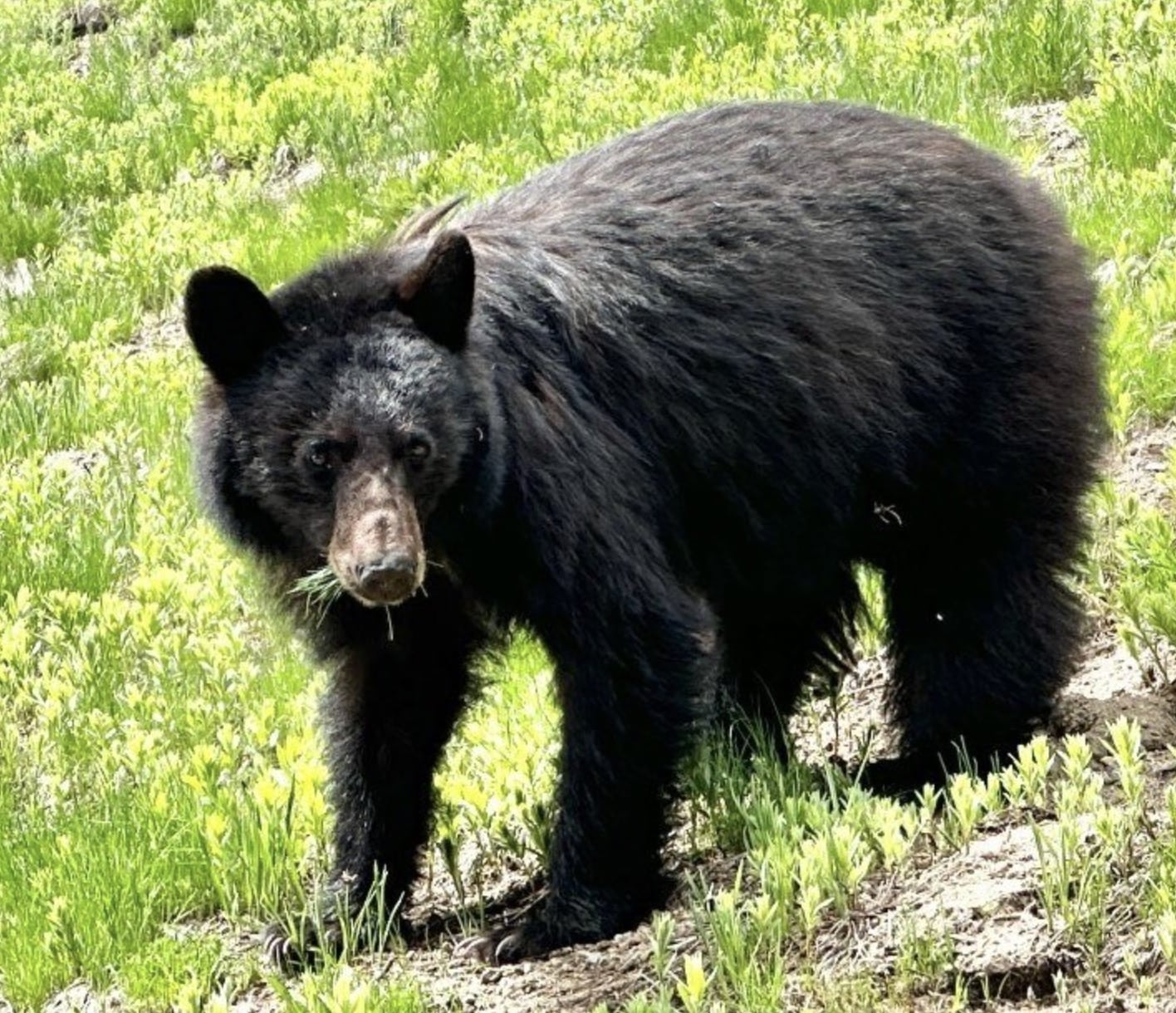
Black Bear
Ursus americanus
Black bears are among the largest mammals found in the park, with males weighing from 150-500 pounds and females weighing between 90-250 pounds. Their shaggy coats can range in color from black to brown to honey-colored; they have large, wide feet with curved black claws, large heads with small eyes, and short round ears. Though classified as carnivores, black bears do not generally hunt other animals as food. Instead they are more likely to take advantage of found kills left behind by other carnivores.
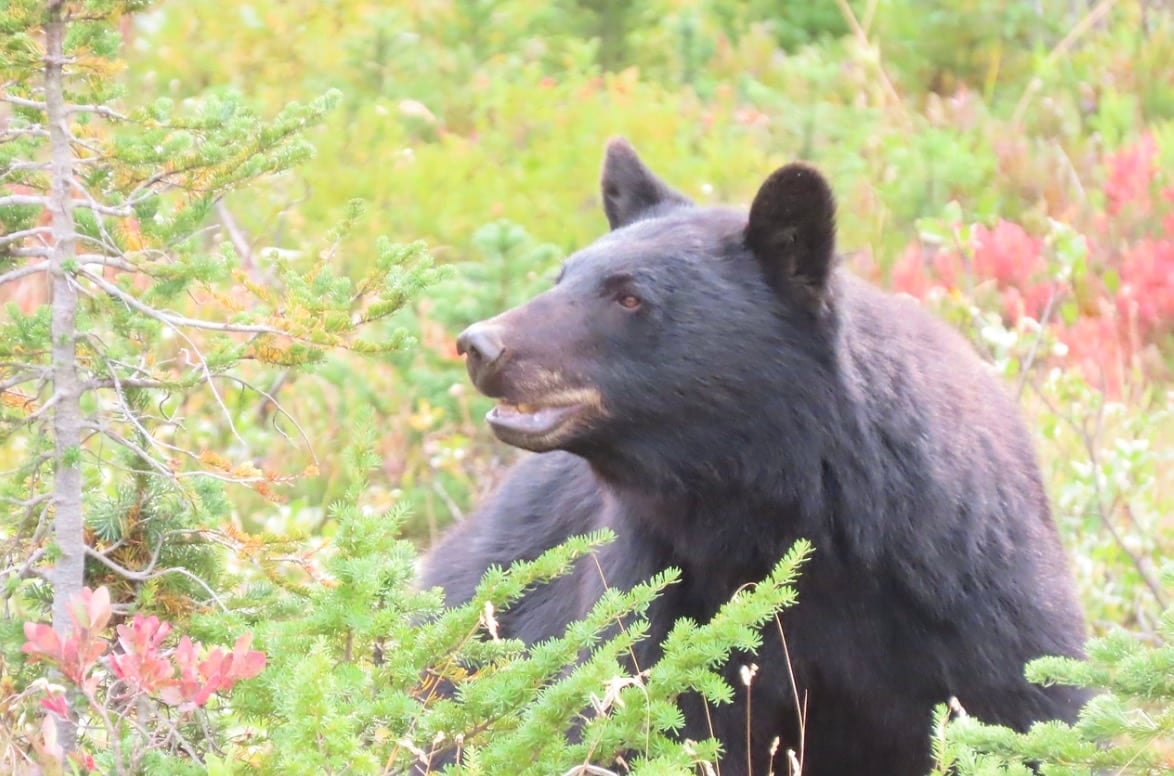
Successful foragers, bears will eat whatever is readily available and much of their diet consists of plant material. If given the opportunity, bears will also happily eat people-food, so it is important to secure any food you bring with you when camping or backpacking. Keep food in secure containers and store them in food lockers, or use bear poles to hang the food out of reach. Remember, Keep Wildlife Wild! Bears hibernate during the winter, but during the summer they can be found throughout the park from lowland forests to subalpine meadows. Learn more about staying safe around bears.