

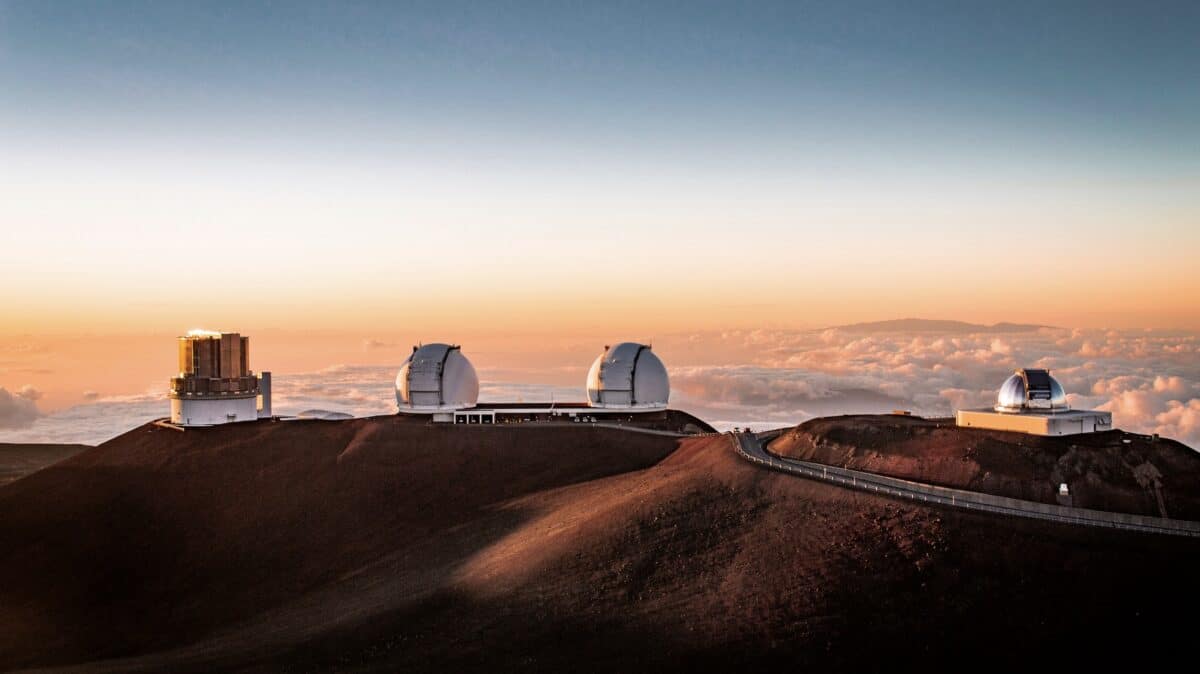
Hawaii conjures images of warm beaches and tropical weather, with year-round temperatures averaging around 73 degrees Fahrenheit. It is the last place most people would expect to find evidence of ancient glaciers. Yet Mauna Kea bears clear and extensive glacial deposits across roughly 27 square miles of its upper slopes, telling a fascinating story of a frozen past. GeologyHub took a look at the signs that point toward these large glaciers.
During the Pleistocene period, Mauna Kea supported a glacier averaging 100 meters thick and containing approximately 7 cubic kilometers of ice. It peaked in extent around 20,000 years ago. Mauna Loa likely had glaciers too, but centuries of volcanic eruptions have buried any evidence beneath younger lava flows.
Mauna Kea also shows evidence of subglacial eruptions and even jökulhlaups, which are glacial outburst floods more commonly associated with Iceland. These floods carved deep ravines still visible today at Pohakuloa and Waikahalulu gulches.
The volcano experienced three distinct glacial periods, spanning from 180,000 to 13,000 years ago. Today, the remnants of those ancient ice ages are protected within the Mauna Kea Ice Age Natural Area Reserve.
