

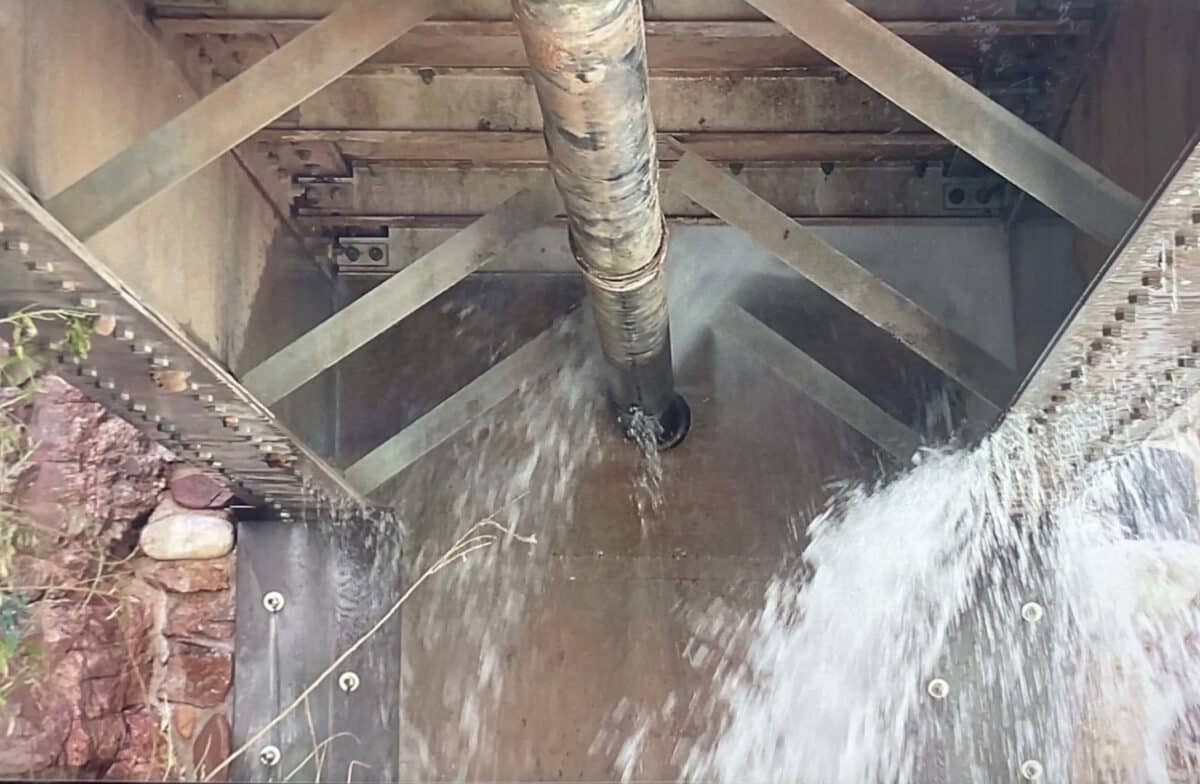
GRAND CANYON VILLAGE, Ariz. — A pipeline break in Grand Canyon National Park has prompted water conservation measures and closures along a heavily traveled corridor.
Grand Canyon National Park is asking South Rim visitors and residents to conserve water after a break along the North Kaibab Trail disrupted the system that pumps water to the South Rim.
Inner Canyon impacts:
• Phantom Ranch will be closed to overnight guests from March 31 through April 4
• Water is off at Boat Beach, the Delta restroom, and Bright Angel Campground
• Water remains on at the Phantom Ranch canteen at this time
Park crews are working to repair the system. For the latest inner canyon water status, please refer to Grand Canyon National Park webpage here: https://www.nps.gov/grca/planyourvisit/key-messages.htm
About Grand Canyon National Park:
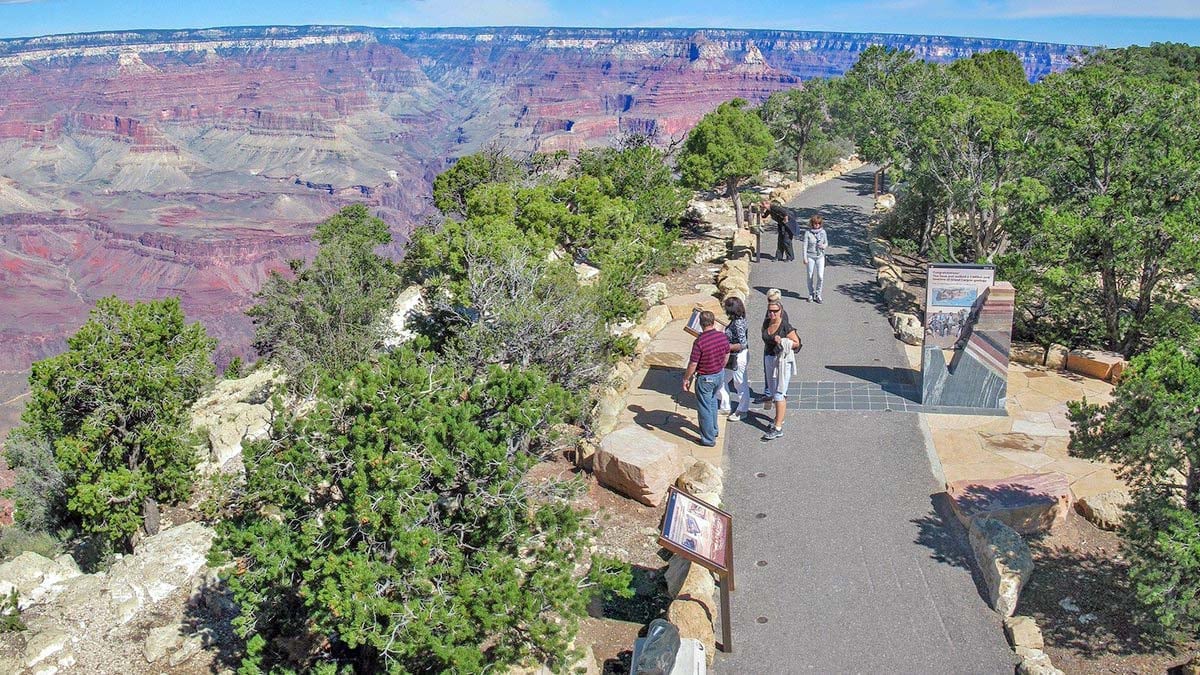
Entirely within the state of Arizona, the park encompasses 278 miles (447 km) of the Colorado River and adjacent uplands. Located on the ancestral homelands of 11 present day Tribal Communities, Grand Canyon is one of the most spectacular examples of erosion anywhere in the world—a mile deep canyon unmatched in the incomparable vistas it offers visitors from both north and south rims.
Geography
- Park Size:
- 1,218,375 acres (493,059 ha)
- 1,904 square miles (4,931 km2)
- Length: 278 river miles (447 km)
- Width:
- Minimum at Marble Canyon, 600 feet (180 m)
- Average Rim to Rim, 10 miles (16 km)
- Maximum Rim to Rim, 18 miles (28.8 km)
- Depth: Average, 1 mile (1.6 km)
- Elevations:
- South Rim 7,000 feet (2,100 m)
- North Rim 8,000 feet (2,400 m)
- Volume: 5.45 trillion cubic yards (4.17 trillion m3)
Colorado River in Grand Canyon National Park
- Length: 278 miles (447 km)
- Average Width: 300 feet (90 m)
- Minimum Width: 76 feet (23 m)
- Average Depth: 40 feet (12 m)
- Greatest Depth: 85 feet (25.5 m)
- Average Gradient: 7 feet per mile (1.3 m/km)
- Elevation at Phantom Ranch: 2,400 feet (720 m)
The Colorado River is 1,450 miles (2,333 km) long from its source in the Rocky Mountains of Colorado to the Gulf of California.
Natural Resources
Wildlife
- Birds: 450 species
- Mammals: 91 species
- Fish: 18 species, 5 native
- Reptiles and Amphibians: 58 species
- Invertebrates: 1,443 species, including 292 butterflies and moths
- Exotic (non-native) animals: 30 species
- Range expanding species (not native to the park but to the region, naturally expanding into the park): Mammals: coatimundi, hog nosed skunk, javleina, elk (North Rim); Birds: California Quail, Zone Tailed hawk
- Park Endemic animals, not extirpated: 17 species; 1 mammal, 1 snake, 5 butterflies, 1 pseudoscorpion, and 1 tarantula
- Regionally Endemic animals, not extirpated: 5 species; One reptile (Grand Canyon Rattlesnake) and three mammals (Kaibab squirrel, and the Navajo Mexican vole) are known only from the Grand Canyon region. At least nine species of insects are endemic to Grand Canyon, and six fish species (humpback chub, razorback sucker, flannelmouth sucker) are endemic to the Colorado River basin.
- Federally Endangered and Threatened Species: California condor, humpback chub, razorback sucker, Southwestern Willow Flycatcher, Ridgway’s rail, Mexican Spotted Owl, yellow-billed cuckoo, and desert tortoise.
- Extirpated Species: Grizzly bear, black-footed ferret, gray wolf, jaguar, Bear Valley sandwort, Colorado Pikeminnow, bonytail, roundtail chub, and southwestern river otter.
Vegetation
- Vascular Plants: 1,737 species
- Endemic Plants: 32 species
- Exotic (non-native) Plants: 208 species
- Fungi: 167 species
- Moss: 64 species
- Lichen: 195 species
- Vegetation Communities: 129
- Federally Endangered and Threatened Species: Sentry milk-vetch (Astragalus cremnophylax var. cremnophylax).There are 199 special-status plant taxa in the Greater Grand Canyon Landscape Area, including 32 known endemic plant species.
- Major Vegetation Types: Spruce-fir Forest, Mixed Conifer Forest, Montane-subalpine Grassland, Ponderosa Pine Forest, Pinyon-juniper Woodland, Shrub-steppe, Montane Shrubland and Interior Chaparral, Desert Scrub, Desert Grasslands, and Riparian Habitats.
