

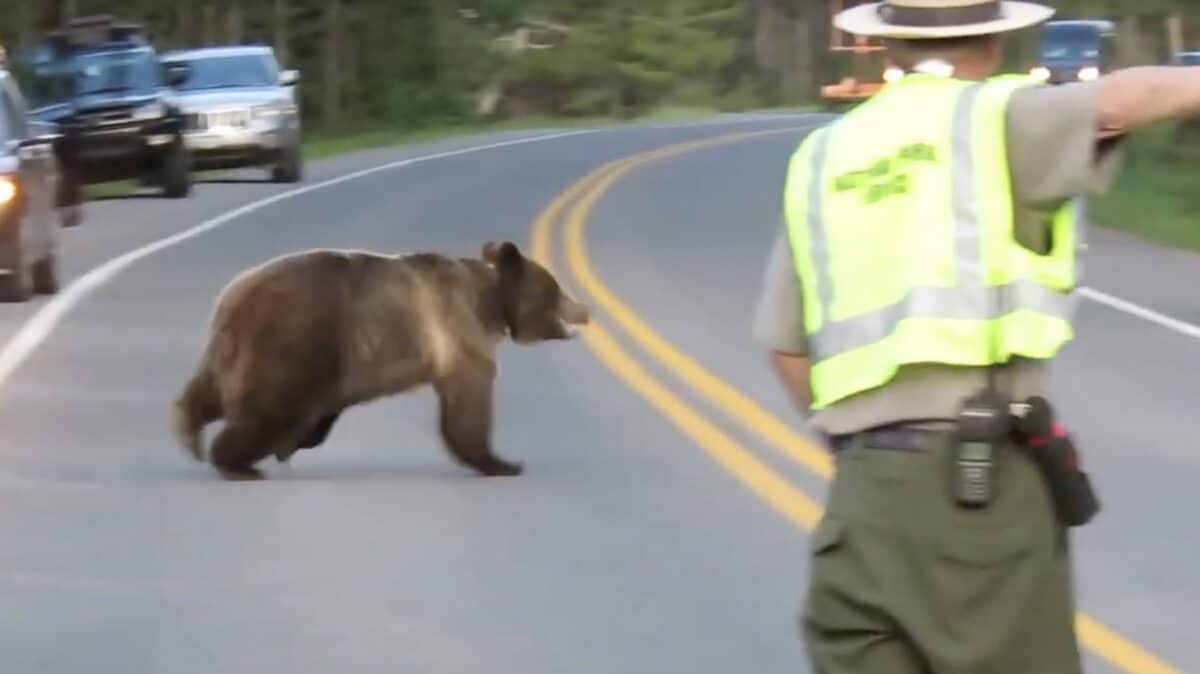
It’s spring, and with spring comes the awakening of bears across many of America’s famous national Parks. In Grand Teton National Park, male grizzly bears tend to awaken and appear in March, while the females with cubs will start showing up between April and early May.
Every single acre of Grand Teton is grizzly bear habitat, and while spring tends to offer top chances to see a bear in the wild, it comes with the responsibility of sharing the landscape with wildlife. National Park officials are taking this time of year to remind park visitors about bear and wildlife safety in general, helping keep animals wild and people safe.
The primary reminder surrounds securing food and garbage, and unsecure attractants can quickly attract bears and create dangerous habits. Garbage should be stored in bear-resistant containers, and food, coolers, or backpacks should never be left unattended. Food and scented items should be stored in bear boxes or hard-sided vehicles, and camps should be kept clean. All visitors should could bear spray and know how and when to use it, and all bears should be given at least 100 yards of space at all times, including while inside vehicles. You can read more on bear safety in Grand Teton National Park below.
Grand Teton National Park Grizzly Bear Safety:
If you encounter a bear:
- DO NOT RUN. Bears can easily out run any human. Running may elicit attacks from non-aggressive bears.
- If the bear is unaware of you, detour quickly and quietly.
- If the bear is aware but has not acted aggressively, back slowly away while talking in an even tone or not at all.
- Use your peripheral vision. Bears may interpret direct eye contact as threatening.
- Do not drop your pack – this teaches bears how to obtain human food. Your pack can also protect your body in the case of an attack.
- Do not climb trees – all black bears and some grizzly bears can also climb trees.
The vast majority of bear attacks have occurred when people surprised a bear. In this situation the bear may attack as a defensive maneuver. The bear may be protecting young or defending a carcass.
If a bear charges you:
- DO NOT RUN. Some bears will bluff their way out of a threatening situation by charging, then veering off or stopping suddenly.
- Bear experts generally recommend standing still until the bear stops and then slowly back away.
- If you have bear spray this is the time to use it!
- If the bear makes contact with you, drop to the ground and lie flat on your stomach with your legs spread apart slightly and play dead. Cover the back of your neck with your hands. Keep your pack on to protect your back. Do not move until you are certain the bear has left.
In rare cases, bears have attacked at night or after stalking people. These attacks are very serious: it may mean the bear sees you as prey. If you are attacked at night or if you feel you have been stalked and attacked as prey, fight back. Use your bear spray, shout, and try to intimidate the bear with a stick or rock. In this type of situation, do whatever it takes to let the bear know you are not easy prey.
