

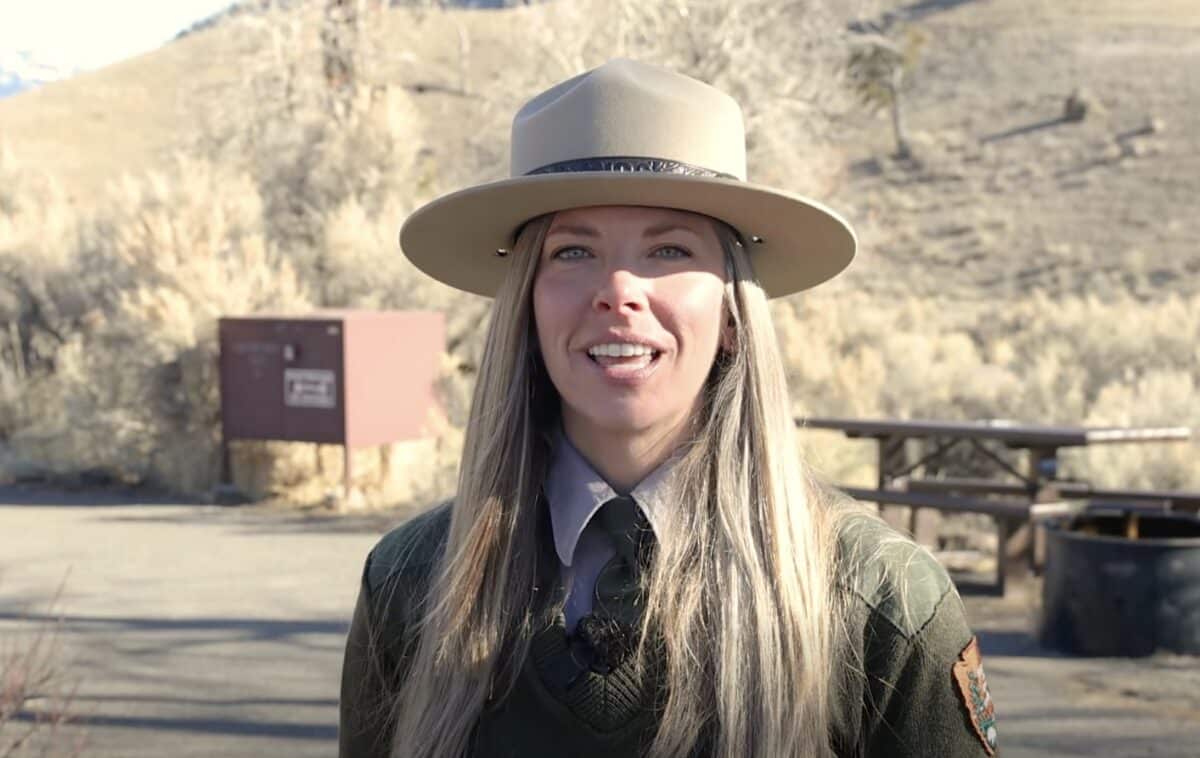
YELLOWSTONE NATIONAL PARK, Wyo. — Yellowstone National Park has officially closed out its winter season, with most park roads shutting down to begin annual spring snow removal operations.
Park officials announced that from mid-March through mid-April, the majority of roads within Yellowstone will be closed to vehicle traffic as crews begin plowing snow in preparation for the summer season.
“And that’s a wrap! Another winter season in Yellowstone comes to an end. From today through mid-April, most park roads will be closed so that our staff can begin snow plowing operations. If you plan to visit us during the off-season (mid-March through April), keep in mind that there are very limited facilities and services, and the only road open for vehicle travel is the road between the park’s North and Northeast entrances.” -Yellowstone National Park
During this transitional period, visitor access will be limited. Officials said the only road open to regular vehicle travel will be the route between the park’s North Entrance at Gardiner, Montana, and the Northeast Entrance near Cooke City, Montana.
Park services and facilities will also be significantly reduced during the off-season, which runs from mid-March through April. Visitors planning trips during this time are advised to expect limited amenities and plan accordingly.
Yellowstone typically undergoes a seasonal shift each spring as it transitions from winter operations, which include snowcoach and guided travel, to summer access with full road openings and services.
Spring Biking Guide in Yellowstone National Park
One of the best ways to enjoy Yellowstone during the shoulder season is on two wheels. During the spring season bicyclists may have to brave inclement weather but they get the unique experience of having exclusive access to the roads before they are reopened to motorized, public vehicles. Remember, roads will not be completely free of cars during these times (bicyclists may still encounter park employees, contractors, and plows). Also be aware that high snowbanks may negate road shoulders and make travel more dangerous.
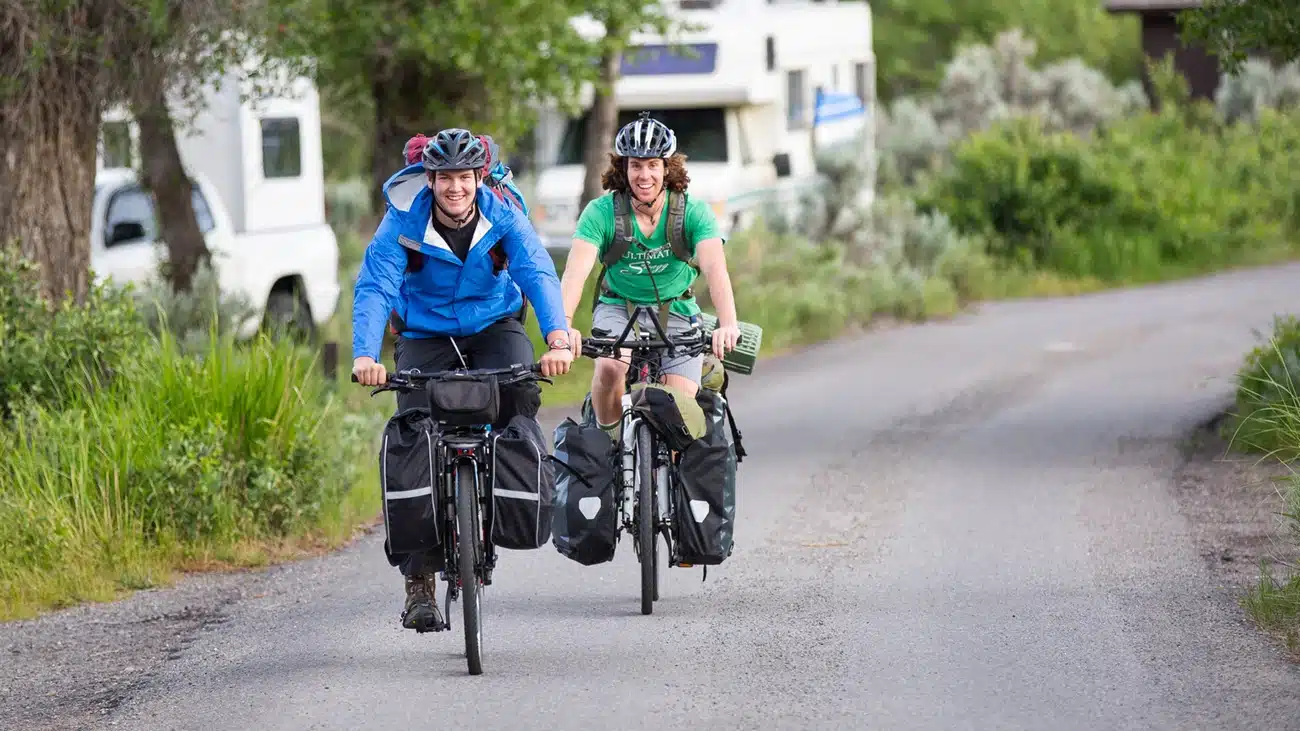
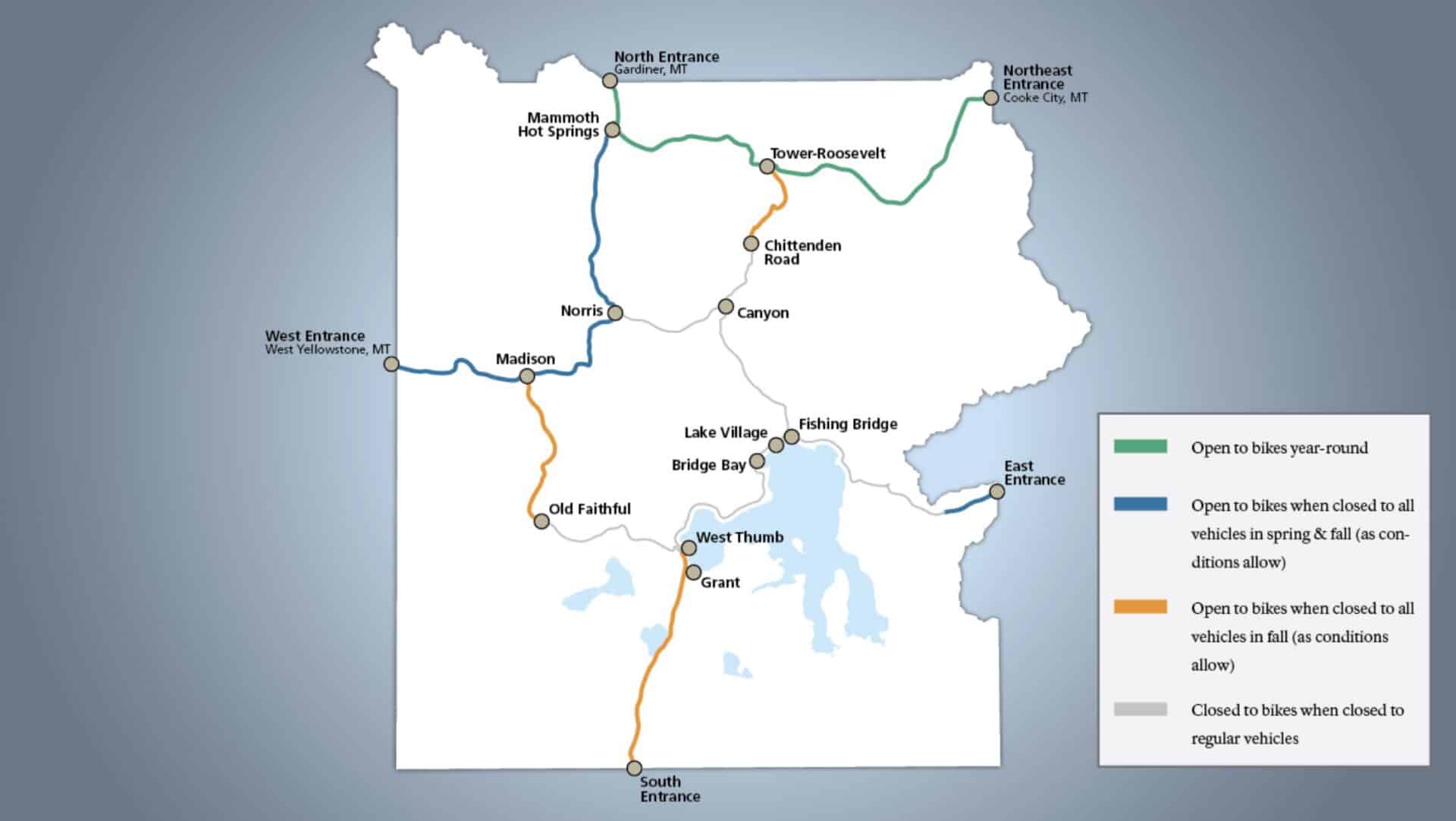
The spring bicycling season usually starts by early April, although there is no set date. Designated roads are only opened once snow removal and other pre-season business can accommodate cyclists. Please note that roads may not be plowed on weekends and snowfall can be heavy at times. The following road segments may open to bicycling each spring (dates determined after roads close to oversnow vehicles):
Biking Safety
- Vehicle traffic can be heavy, and the park’s winding roads offer poor visibility and narrow, or nonexistent, shoulders. There are no bike paths along roadways.
- Road elevations range from 5,300 to 8,860 feet (1615 to 2700 meters) above sea level, and services and facilities are typically 20 to 30 miles apart (37 to 56 kilometers).
- Be prepared. You are strongly encouraged to bring a helmet, high visibility clothing, plenty of food and water, extra clothing, and a repair kit for your bike.
- Motorists frequently do not see bicyclists or fail to give them sufficient space on the road. Drivers sometimes pass on hill crests, blind curves, or in traffic. Vehicles, especially motor homes or those towing trailers, may have wide mirrors, posing an additional hazard.
- Slow down at intersections and make eye contact with drivers before crossing the intersection. Drivers may not be aware that you are traveling close to their speed.
- Especially when riding an e-bike, mount and dismount the bike carefully. The added weight of the battery and motor assist technology can add 20 or more pounds to the weight of the bike.
To check the status of the road for spring biking, visit go here.

