

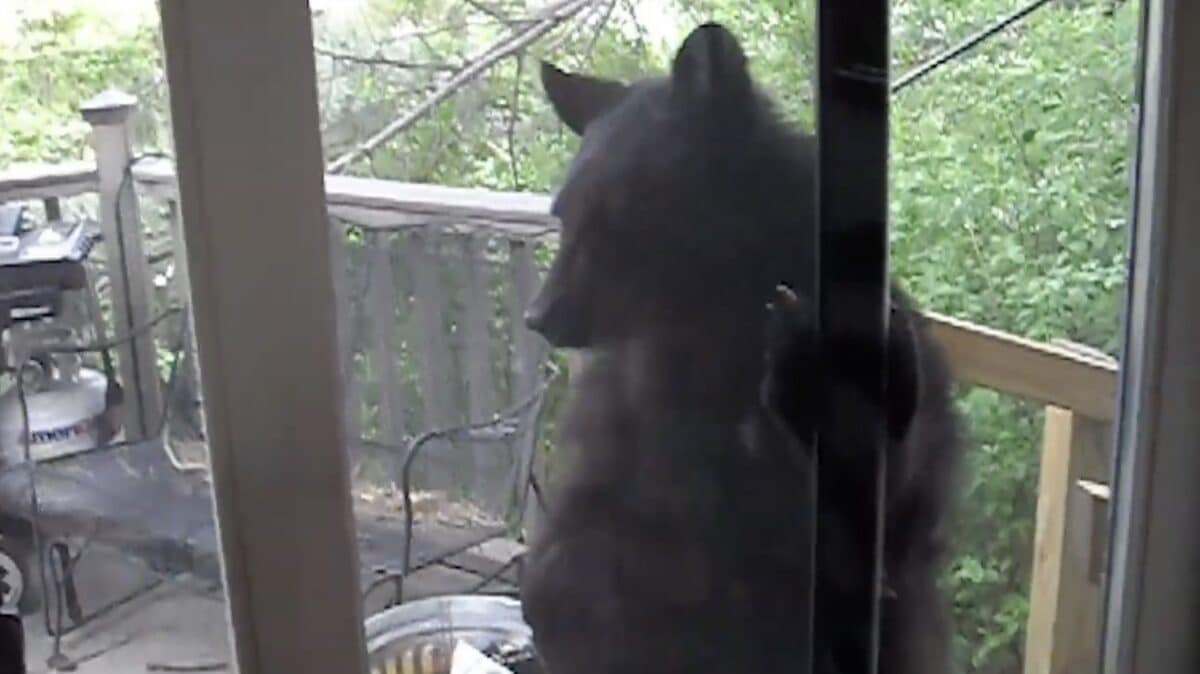
Colorado saw a 15% more reports of sightings and conflicts with bears in 2025 than the previous 6 years, with trash remaining the number one source of conflicts. According to Colorado Parks and Wildlife (CPW), there were 5,299 reports received throughout the year, 2,448 of which resulted in damage to a shed, garage, home, vehicle, fence, or another piece of property.
More than 57% of those reports were linked to trash, 18% to livestock, chickens, and beehives, and 16% to bird seed, pet food, barbecue grills, coolers, and refrigerators. Since the implementation of CPW’s bear reporting system in 2019, 32,212 reports of sightings and conflicts with bears have been recorded.
2025 came with varying levels of human-bear conflicts, with some regions seeing increases and others seeing declines. Inconsistent natural food conditions, influenced by localized droughts, late frosts, and variable precipitation, likely played into this. Regions with poor acron and berry production saw an increase in bear activity in residential areas.
While there is a belief among some members of the public that reporting bear activity will lead to the animal being put down, it’s important to note that only 1.47% of reports in 2025 led to euthanasia. Most reports allow wildlife officers to get involved early enough to prevent the need to euthanize the animal.
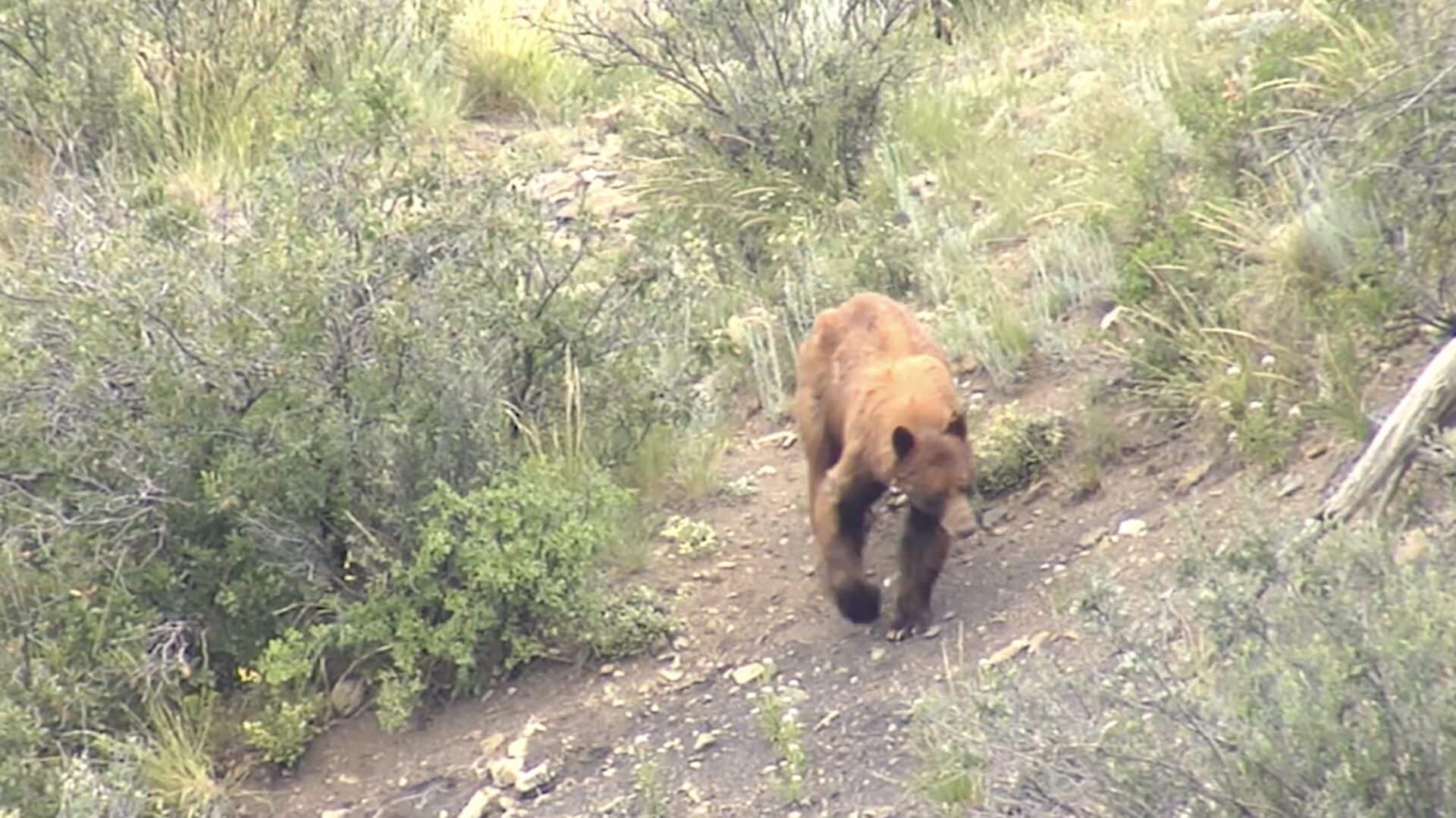
The number of reports and bears euthanized and relocated by CPW annually since 2022 is as follows:
- 2025: 5,299 reports, 52 relocated, 78 euthanized
- 2024: 5,022 reports, 68 relocated, 98 euthanized.
- 2023: 3,528 reports, 33 relocated, 63 euthanized
- 2022: 4,293 reports, 59 relocated, 94 euthanized
Living BearWise through the following at-home basic is the most effective way to prevent human-bear conflicts.
Six At-Home BearWise Basics:
- Never Feed or Approach Bears – Intentionally feeding bears or allowing them to find anything that smells or tastes like food teaches bears to approach homes and people looking for more. Bears will defend themselves if a person gets too close, so don’t risk your safety and theirs!
- Secure Food, Garbage and Recycling – Food and food odors attract bears, so don’t reward them with easily available food, liquids or garbage.
- Remove Bird Feeders When Bears Are Active – Birdseed and grains have lots of calories, so they’re very attractive to bears. Removing feeders is the best way to avoid creating conflicts with bears.
- Never Leave Pet Food Outdoors – Feed pets indoors when possible. If you must feed pets outside, feed in single portions and remove food and bowls after feeding. Store pet food where bears can’t see or smell it.
- Clean & Store Grills – Clean grills after each use and make sure that all grease, fat and food particles are removed. Store clean grills and smokers in a secure area that keeps bears out.
- Alert Neighbors to Bear Activity – See bears in the area or evidence of bear activity? Tell your neighbors and share information on how to prevent conflicts with bears. Bears have adapted to living near people; now it’s up to us to adapt to living near bears.
