


Pulling up to a ski resort used to be one of the most exciting parts of a day on the hill—find a spot, throw on boots, and head to the chairlift. That excitment you felt when you know you had jumped over all the hurtals and your day of skiing was about to begin was pure bliss. Now, for a growing number of mountains, the day starts with a credit card swipe, a reservation confirmation, or that sinking feeling when you realize the “free” lot is already full. Today, at many ski resorts across North America access to the mountain is being priced, packaged, and controlled like never before.
Resorts will tell you paid parking is about “traffic management,” and to be fair, that’s not entirely spin. Anyone who’s watched the access road turn into a slow-moving tailgate by 7:45 a.m. knows the old system—free-for-all lots with no limits—can buckle under its own popularity. Parking fills early, people keep pushing the limits of illegal shoulder parking, buses get stuck in the same mess as everyone else, and the whole base area starts the day in a stress spiral.
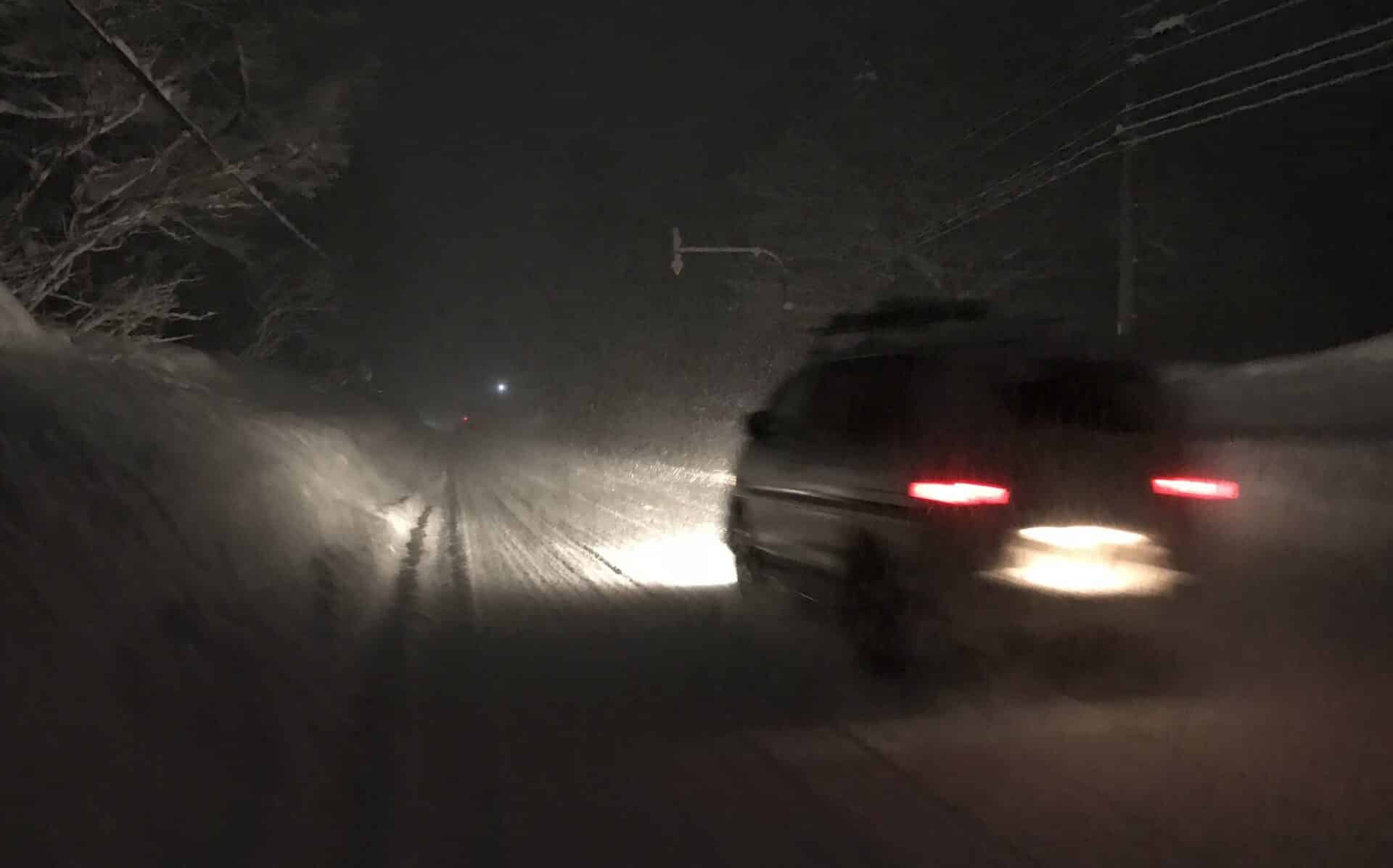
Putting a price on certain lots (or all lots) is one of the fastest ways to reduce demand, spread arrivals out, and nudge people toward carpools and shuttles. When it works, it can mean less gridlock, fewer base-area meltdowns, and a smoother experience for all skiers and riders.
However, paid parking also feels like one more tollbooth in a sport that’s already stacked with tollbooths. When you’re paying $300 for lift tickets, $2000 for passes, $25 for chicken tenders, $1000 for skis, $450 for ski bindings, $1250 for Surefoot ski boots, $700 for lodging, and $15 for a local beer—it adds up fast. So when the resort asks you for another chunk of change just to park near the lifts, a lot of skiers don’t hear “demand management.” They hear “nickel-and-diming.” And it’s hard to blame them.
Parking used to be one of those baseline expectations, like a lodge bathroom without a line for the urinals or a lift maze that doesn’t resemble airport security. Charging for it can feel like a fundamental shift in the social contract: the mountain is still the mountain, but the access is increasingly a menu of add-ons.
The equity piece is where the debate gets real. Paid parking creates a clear convenience gap between skiers who can absorb the extra cost and skiers who can’t. If the best access is paywalled—closest lots, guaranteed spots, no shuttle, no long walk—then the “premium experience” becomes less about planning and more about budget. That stings for locals and day-trippers who already feel squeezed out by rising costs, and it can be especially rough for families, seasonal workers, and younger skiers who are already doing backflips to make a weekend on snow happen. Even when resorts offer free options, the free option often comes with tradeoffs: earlier arrival, longer shuttles, more time and more hassle.
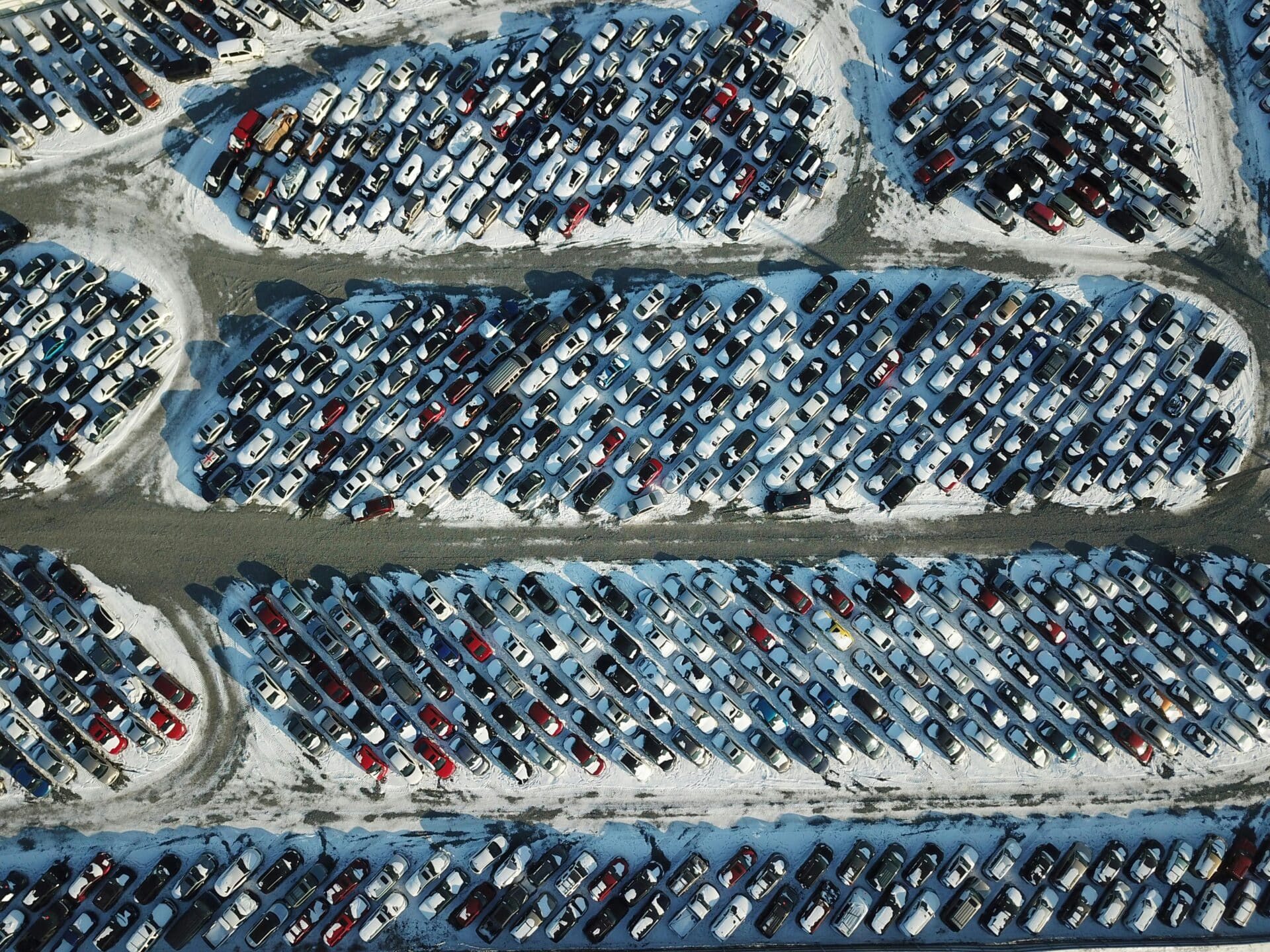
On the flip side, it’s not like parking is free to provide. Plowing, lighting, staffing, enforcement, maintenance, shuttles, signage—all of this is absorbed by the ski area with no monetary up side. Base areas are expensive to operate, and the truth is that resorts are under pressure from every angle: volatile winters, growing crowds on peak days, limited terrain at the base, and communities that don’t want endless road expansions to feed weekend traffic. Charging for parking is one lever in a bigger machine, and for some resorts it’s also a way to fund transit upgrades or carpool incentives that—if done right—can genuinely improve access and reduce the chaos for everyone. The problem isn’t that resorts are trying to solve a real issue. The problem is how the solution lands when it’s rolled out as a cash grab rather than a coherent plan.
There’s also the psychology of it. Skiing is already a huge commitment. Paid parking adds a new kind of friction right at the start, and it’s the kind that feels petty because it’s not about the snow or the experience. It’s a transaction. A transaction that was always a upgrade not a basic item.
Where things get interesting is the way paid parking reshapes behavior. The most obvious change is the “alarm clock arms race.” If the free or cheaper lots fill first, you either arrive earlier than you’d like or accept you’re paying for convenience. That can concentrate even more arrivals into the earliest hours, which is ironic if the goal is to smooth traffic. Then there’s carpooling, which is the policy’s best argument when it’s well incentivized. If resorts offer free or discounted parking for 3+ or 4+ occupants and enforce it fairly, you’ll see real behavior change—fewer vehicles, fuller cars, less congestion. But if the carpool “perk” is too limited, too confusing, or too easy to game, it becomes a frustrating game of parking roulette where honest people feel punished, and rule-breakers get rewarded.
Reservation systems are the other big pivot. Some resorts are leaning into “book your spot” models that can reduce uncertainty but also add a layer of planning that not everyone wants. Spontaneous powder-day missions don’t pair naturally with “Did you reserve a parking space three days ago?” On the flip side, reservations can prevent the nightmare scenario of driving two hours, getting within sight of the lifts, and getting turned away. If the system is transparent, reliable, and paired with solid alternatives—shuttles, remote lots, transit—it can be a net positive. If it’s glitchy, opaque, or feels designed to funnel everyone into paid options, it turns into a PR disaster.
What should resorts do if they want this to feel less like a money grab and more like a real solution? Make the system simple. Make the alternatives good. Reward carpools in a way that’s meaningful and consistent. Put revenue back into transit and operations in ways guests can see—more buses, better frequency, safer pickup zones, better signage, improved flow. Be clear about where the money goes. And please, don’t make the “free” option so painful that it feels like punishment. If resorts are serious about traffic reduction and community impact, they should be designing parking policies that reduce vehicles and improve access, not just extracting maximum dollars from the base area.
Paid parking isn’t going away, and pretending it’s a temporary trend won’t help anyone. The question is whether it becomes one more barrier that slowly filters out the people who built ski culture in the first place, or whether it can be shaped into something that actually makes weekends less chaotic, roads safer, and access more sustainable. Either way, the takeaway is the same: the ski day starts in the parking lot now. And whether you’re swiping a card, scanning a QR code, or sprinting from the shuttle like you’re late for first chair, the new reality is simple—getting to the snow has become part of the game.
If you’ve got a paid parking story—good, bad, or completely ridiculous—send it our way. Unofficial Networks will be in the lot, watching the chaos unfold, wondering how we got here, and still skiing anyway.