

As the West deals with a very underwhelming winter (minus this week), some are wondering what ways there are to get out of it. In theory, one solution is cloud seeding, but its effectiveness is debatable.
Bloomberg News reported last week that various states and ski resorts are using cloud seeding to increase snowfall totals from snowstorms. Colorado and Utah are currently leading the way, but the results aren’t definitive enough to solve the West’s drought.
There are a few methods that are used for cloud seeding. Near Winter Park Resort, a machine places silver iodide into the arm. When storms approach, they can increase precipitation. Alternatively, on cloudy days with no expected precipitation, it can produce snow. This operation is run by DRI, a non-profit research firm. Winter Park estimates that it helped produce 24 inches of snow in 2024. Some of these systems are manually run, while newer ones are remotely operated for more secluded locations.
“If you ask me, it enhances the efficiency of these storms,” said Doug Laraby, one of the leaders at Winter Park. “I think it’s awesome.”
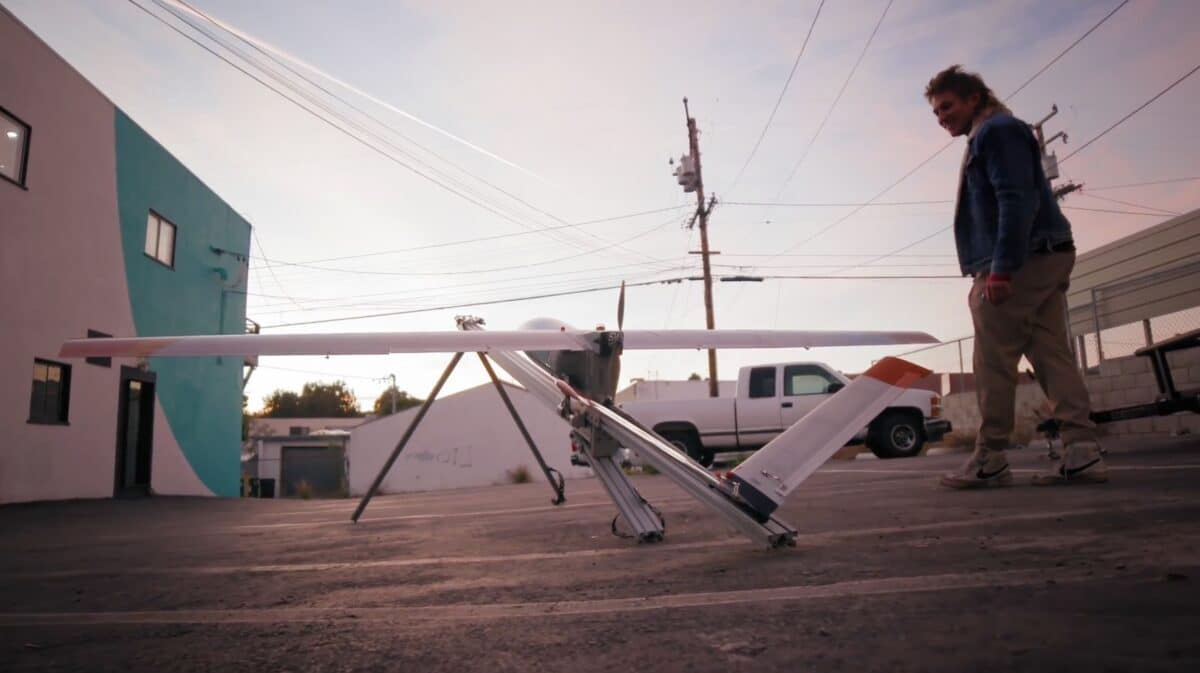
Another method is done by Rainmaker Technology Corp. This Utah-based company sends out trucks into the Wasatch Mountains with around a dozen drones. Six drones go up at a time and spray silver iodide into the clouds to produce snow. While half of them recharge, the other six drones take over. They’re partners with Snowbird Resort, which is one of the snowiest ski resorts in the U.S.
There’s also plane-based cloud seeding. With this technique, a pilot flies up to spray dry ice and silver iodide into the clouds.
Is Cloud Seeding Effective?
However, not everyone is convinced of cloud seeding.
Some scientists don’t see it as a practical solution. Katja Fredirch, an atmospheric river professor with the University of Colorado, conducted a cloud-seeding study in Wyoming, where they used cloud seeding during a snowstorm. While it did produce more snow, it’s not clear if it accumulates.
“I understand why people are buying it, because they’re so desperate,” said Katja Friedrich. “But if you ask me, there’s no scientific proof”
She also disputed a statement by a leading member of the Colorado Water Conservation Board that seeding had helped produce 8-12% more snow per storm.
In response to mixed results, Vail decided to abandon its cloud-seeding program in 2020. It’s shifted toward buying more snowmaking equipment. This wetter snow provides a sturdier base, but it’s also more expensive and energy-intensive.
Cloud seeding has also undergone increased scrutiny. Following the devastating Texas floods last July, some political commentators and, eventually, politicians argued that the damage was caused by cloud seeding. There was even a closed-off congressional hearing on the topic. Scientists have debunked this, but that hasn’t stopped tin-foil hat-wearing legislators in various state legislatures from introducing bills to ban its use.
What the future holds for cloud seeding is uncertain, but it seems likely to stick around to try to ease the West out of its bleak drought.
Image/Video Credits: Britannica, Jason Carman
