

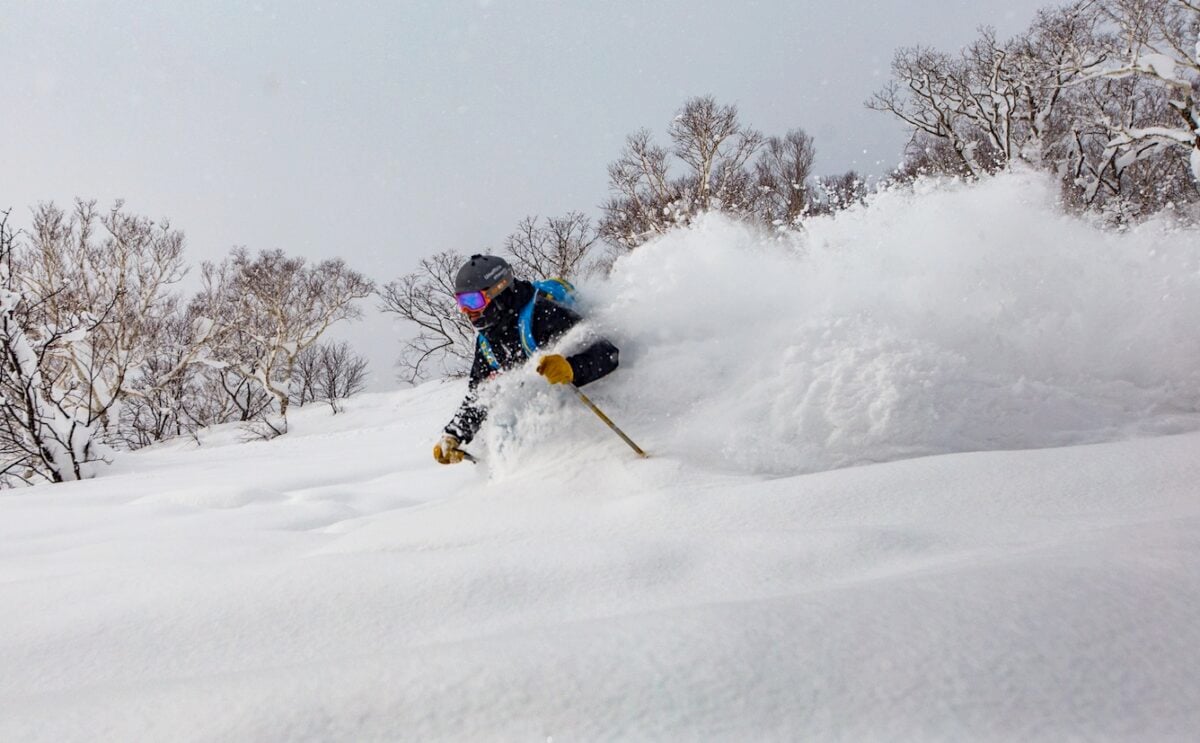
Powder days are what we skiers live for. They feel like the playoffs when your performance and choices matter most. The kind of days you wake up early for, obsessively refresh the snow report, and fire up the tunes to get your head in the game.
But the truth is… many skiers show up for deep-snow days completely unprepared, and they dont even know it.
These novice powder skiers, unfortunately, spend the whole day in the backseat, burning out by noon, and wondering why powder looks effortless for everyone else.
The good news is that there are some simple steeps you can take to keep you riding longer on the days that count the most. Here are a few simple gear tweaks that make deep snow dramatically easier.
Here are 7 easy changes that will instantly improve your powder skiing.
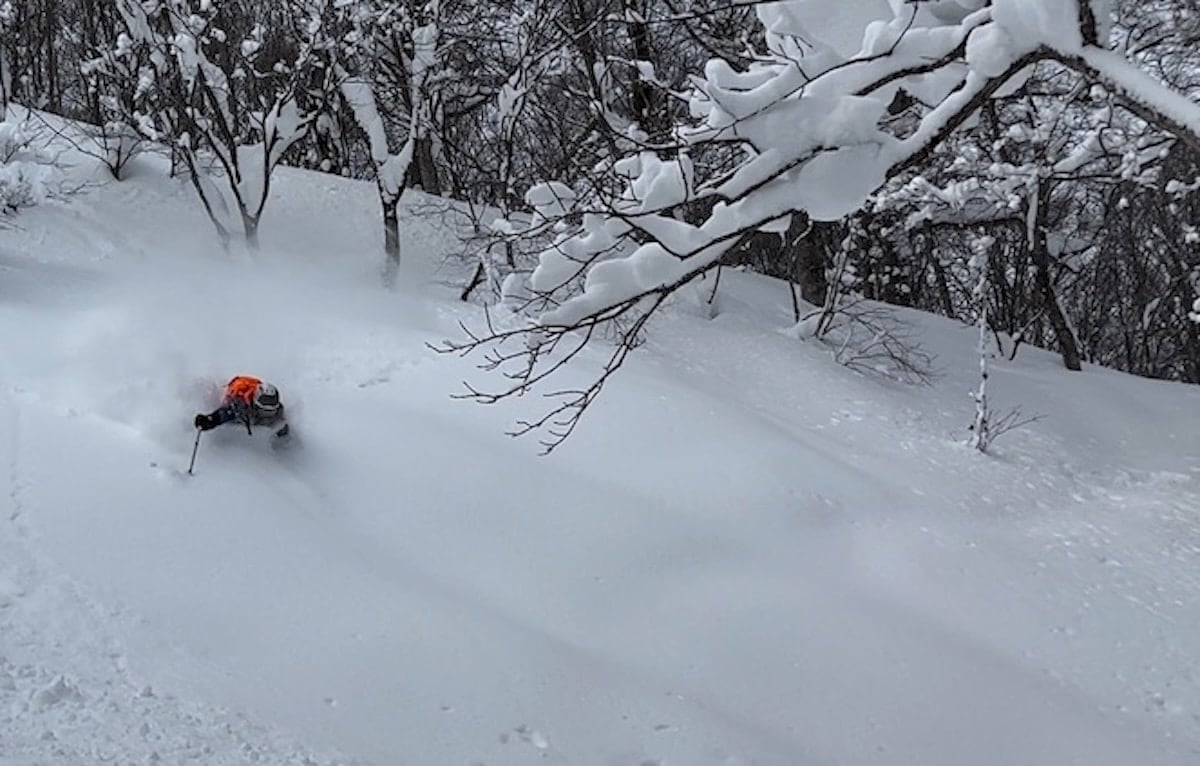
1. Ski Width Matters (But Not How Most People Think)
Everyone says “go wide,” and yes, wider skis help. But there’s a sweet spot.
For most skiers, the best powder width is around 100–115mm underfoot. It gives you float without making the ski feel like a slow, clunky barge. The mistake is thinking you need a 125mm powder ski every time it snows.
Unless it’s truly bottomless all day (think cat or heli skiing, not resort skiing), ultra-wide skis can actually make powder harder by tiring you out faster.
2. Ski Shape Can Make Powder Feel A Whole Lot Easier
Powder ski performance isn’t just about width. It’s about shape.
We all know about rockered tip and how it naturally rises to the surface and helps prevent that tip dive feeling. A small tail rocker makes turns easier to release and helps prevent getting stuck in the snow (I’m not a fan, but I get why people like it). But the one thing we hardly ever hear about is sidecut. To prevent hooking on deep days, you want a ski that is less of a parabolic shape and more of an old-fashioned straight cut. This will let you roll over turns without feeling like you tips are throwing you around.
The best setup is usually rocker in the tip and tail with camber underfoot, giving you float but still letting you stay in control when the powder gets chopped up or when you hit those groomers.
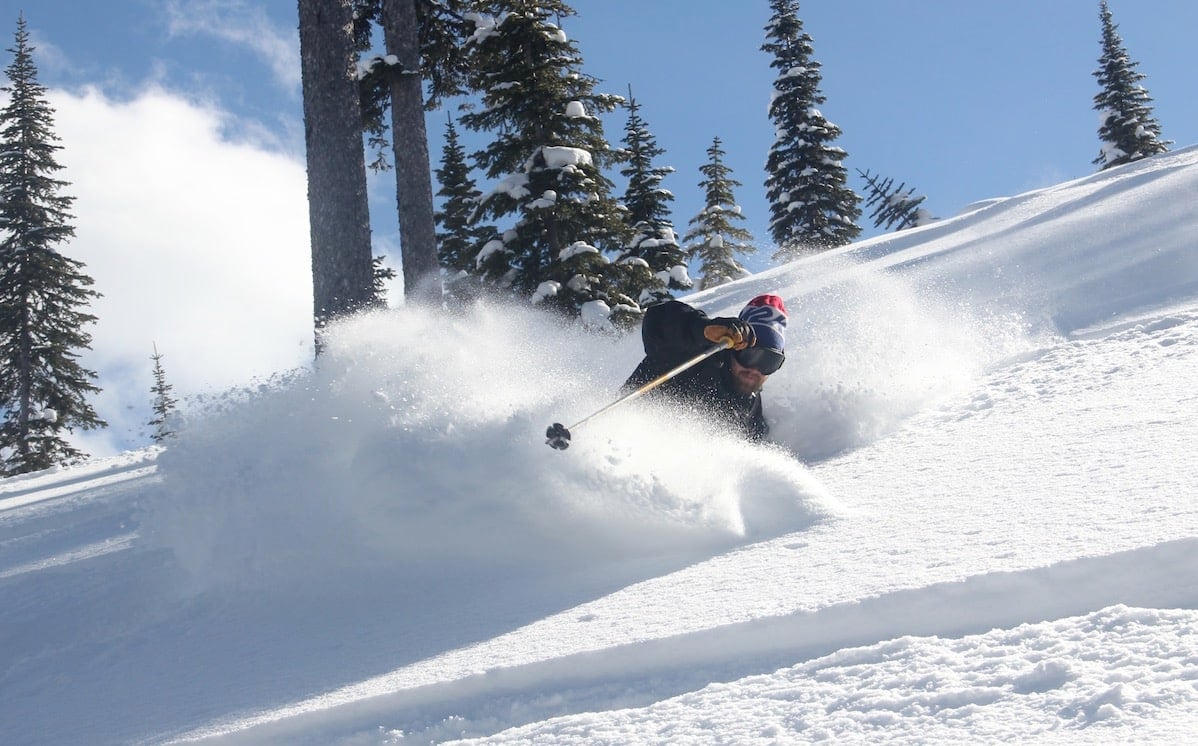
3. Your Boots Might Be Ruining Your Powder Day
Skiers love talking about skis. But they don’t talk about boots nearly enough.
Bottom line is if your boots don’t fit properly, you’re already losing. Boots that are too soft make you feel unstable in deep snow, and boots that are painful make you ski timid without even realizing it.
A properly fitted boot gives you control and confidence, especially when powder turns into tracked-out chaos.
4. Lighter Gear = More Runs = Better Skiing
Powder skiing can burn legs out, especially if you’re in the backseat.
The heavier your skis, bindings, boots, or pack, the quicker you’ll get cooked. Lighter gear means less fatigue, and less fatigue means better runs all day long.
A lot of skiers think they’re out of shape… when they’re really just hauling around heavy gear that’s draining them.
5. Wax Your Skis Like You Actually Care
Fresh wax is one of the most underrated upgrades in skiing.
Cold powder can feel unbelievably slow if your bases are dry. A proper wax job makes your skis glide faster, keeps you from working so hard, and makes every run smoother.
If your friends are effortlessly cruising while you’re stuck pushing on flats, wax might be the reason.
6. Poles Matter More Than People Realize
Poles aren’t just accessories. They’re how you push your ass around in the flats or deep snow.
Powder baskets and the right-size ski pole will help push you along when the snow is deep. A slightly longer pole can even help some skiers stay more balanced on deeper days, especially when the snow is real deep.
7. Fix Your Backpack Setup (If You Ski With One)
A sloppy backpack setup can wreck your powder skiing without you realizing it.
Loose straps, dangling gear, and weight sitting too far off your back can throw off your balance all day long. The best powder pack setup is tight, compact, and close to your spine.
If your pack is flopping around, it’s actively making you ski worse. Tighten that up!
Bottom Line
Powder skiing isn’t just about skill. It’s about being prepared.
Powder days don’t happen every day. When they do, you don’t want to waste them fighting your gear.
Because there’s nothing worse than waking up to four foot of fresh snow… and spending the whole day skiing like it’s survival mode.