

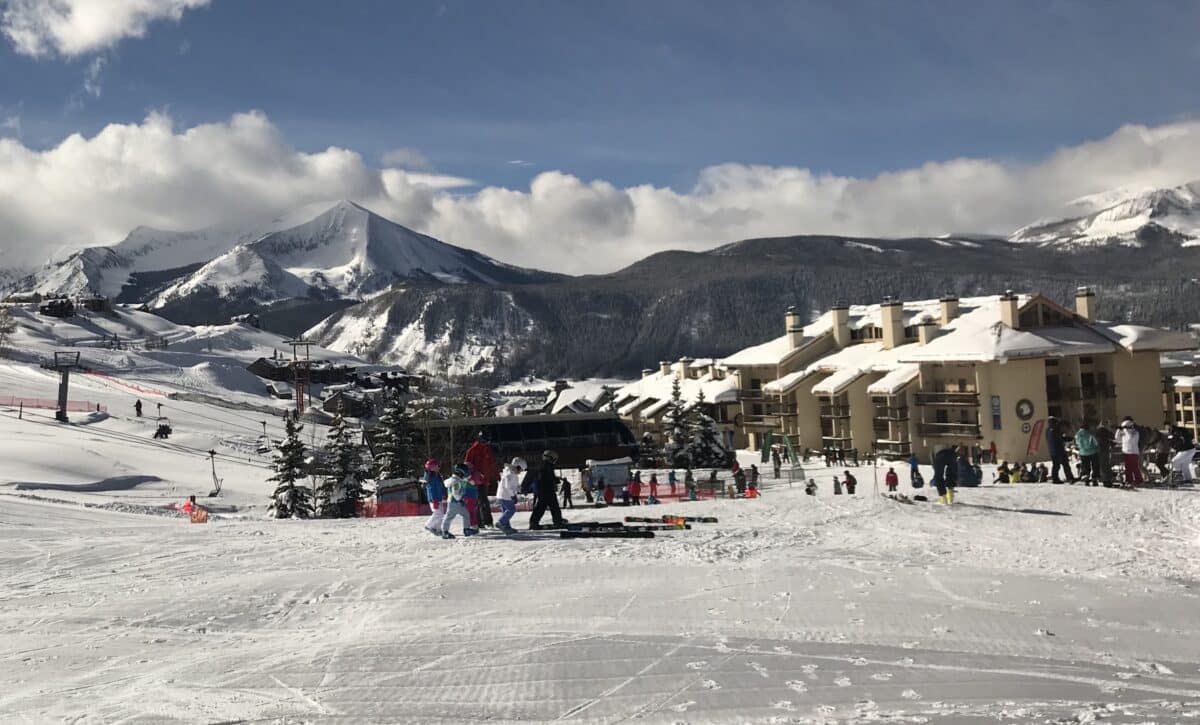
Ski resorts have always been built on tradition. Old lifts, familiar base lodges, the same faces showing up every winter, and stories about legendary seasons that somehow get better every time they’re told. But lately, something feels different. The mountain experience isn’t just evolving — it’s being reengineered. Not slowly. Not quietly. Fast. And if you’ve skied at a major resort in the last few seasons, you’ve probably felt it without fully putting it into words.
There was a time when ski resorts were basically controlled chaos. Lift operators bundled up in whatever they could find, snowcat drivers running on coffee and stubbornness, and maintenance crews somehow keeping ancient chairlifts alive with a wrench and pure willpower.Nowhere is this shift more obvious than snowmaking. Natural snowfall alone is no longer enough to keep resorts viable in many regions. Snowmaking has gone from a supplemental tool to the backbone of resort operations. Modern systems monitor temperature, humidity, wind, water usage, and energy efficiency in real time, allowing resorts to build base depths faster and open terrain earlier than ever before. Entire mountains can be blanketed with man-made snow in days, not weeks. The uncomfortable truth is that snowmaking is now the dividing line between resorts that can stay open reliably and those that can’t.

At the same time, ski resorts are dealing with crowds on a scale that would have been unthinkable a generation ago. Multi-resort passes have made it easier than ever for people to travel and ski frequently, but they’ve also concentrated skier traffic at the most popular destinations. Lift lines are longer. Parking lots fill earlier. Weekends feel more like peak season every single week. In response, resorts have turned to reservation systems, paid parking, and capacity controls — measures that improve operations on paper but fundamentally change how skiing feels on the ground.
Cost has become the issue that hangs over everything. Lift tickets regularly push past $200. Food prices rival major airports. On-mountain lodging is out of reach for most skiers, and employee housing shortages are now a defining problem across the industry. Ski towns that once revolved around seasonal workers and locals are increasingly shaped by second homes, short-term rentals, and luxury developments. Skiing isn’t disappearing, but it is becoming more exclusive, whether resorts admit it or not.
What’s getting lost in the conversation is how this shift affects the culture of skiing. Ski resorts used to feel like community spaces. You knew the terrain, recognized faces on the chairlift, and felt a sense of belonging that went beyond the product being sold. As resorts scale up, consolidate ownership, and standardize operations, that sense of place is harder to maintain. Mountains start to feel interchangeable. The experience becomes polished, predictable, and increasingly expensive.
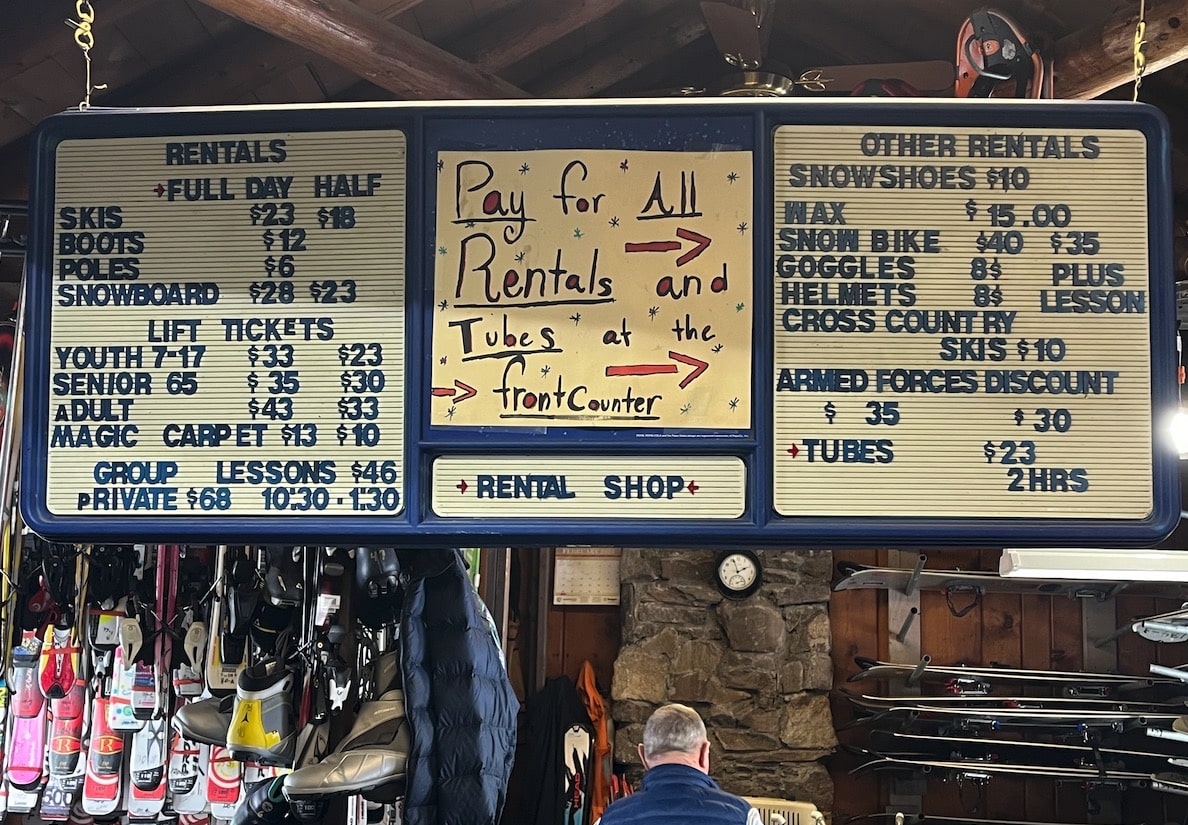
Ironically, this is why smaller and independent resorts may matter more than ever. While mega-resorts chase growth, data, and market dominance, many local mountains are still focused on access, affordability, and community. They don’t have the newest lifts or the most advanced snowmaking systems, but they preserve something that’s becoming rare: a ski experience that feels personal. As the industry continues to evolve, these places may end up carrying more cultural weight than their size suggests.
The next decade is going to be turbulent for ski resorts. Winters will remain unpredictable. Snowmaking will continue to expand. Technology will play a larger role in daily operations. Crowds will need to be managed more aggressively. Prices will keep climbing. Some resorts will adapt and thrive. Others will struggle or disappear. And the line between mountain experience and corporate product will continue to blur.
Ski resorts have always been about more than lifts and trails. They’re where people fall in love with the sport, build traditions, and return year after year because it feels like home. The infrastructure can change, the technology can improve, and the business models can evolve. But if ski resorts lose that sense of identity, efficiency alone won’t be enough to save them. The real challenge ahead isn’t building smarter resorts — it’s making sure they still feel like places people actually belong.