

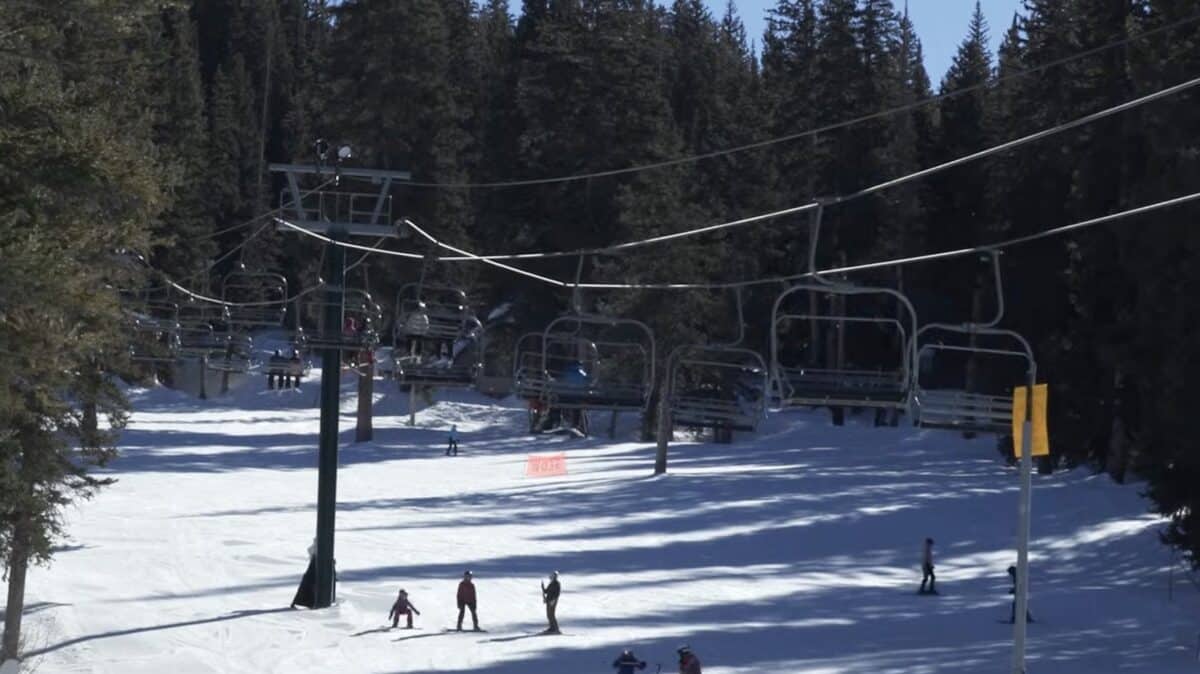
When you think of the Winter Olympics, there’s a good chance you think of the ski slopes (especially if you’re on this website). Most skiers and snowboarders competing in the games spend most of their career training at ski resorts, putting in the hours riding chairs and ripping groomers, park laps, or mogul runs. For many U.S. skiers and snowboarders, that means training on public, National Forest land.
116 active ski resorts operate on National Forest System land across the United States, accounting for more than 60% of the skiable terrain in the country. The resorts operate under long-term special use permits, allowing private operators to build and maintain infrastructure while keeping the land public. As such, Winter Olympians of all ages have perfected their skills on publicly owned land.
The Forest Service land managers’ partnership with resort operators allows a system that supports recreation, conservation, and high-performance sports. Operators invest in the local community and plan for the future knowing that the land will remain in public hands and will remain dedicated to recreation.
The Winter Olympics only last for two weeks every four years, but in between them athletes are training and pushing themselves year-round, often living in the mountain communities while pushing toward success in the Olympics.
“They live in these communities, they train in these communities, and they dream of Olympic gold in these communities. It’s important that we’re here to support them, and the Forest Service is the backdrop to all of it.” – Roger Poirier, Recreation Staff Officer in the White River National Forest.
Simply put, without this National Forest partnership, we’d probably have a lot less athletes to route for in the Olympics.

