

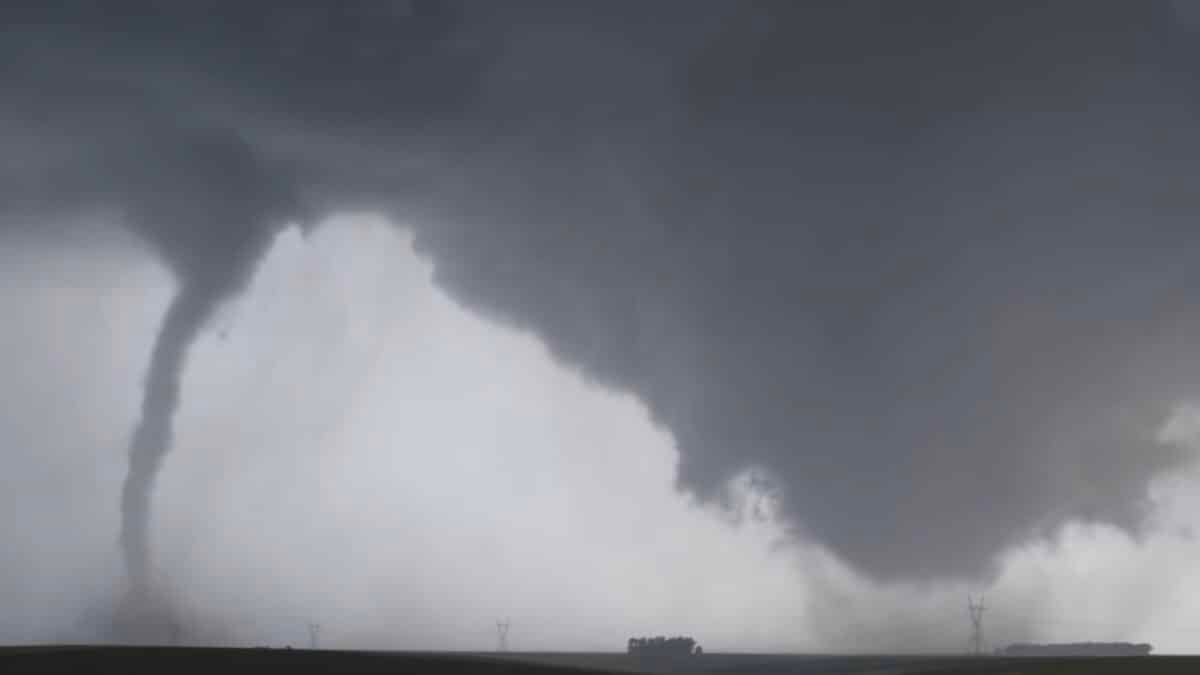
Whether it’s forest fires, earthquakes, volcanic eruptions, land slides, hurricanes, flooding, or something else, the U.S. can experience quite a large number of natural disasters in a single year. If you’re someone who’s looking to avoid living in an area susceptible to these disastrous events, you should probably avoid living in these 10 states.
#10: Hawaii – Active volcanoes, hurricanes (rare but severe), earthquakes, tsunamis, landslides. Isolation makes evacuations and rebuilding very difficult. 20-25% of homes in high-risk lava/coastal zones.
#9: Louisiana – Hurricanes, storm surge, flooding, levee failures (New Orleans is below sea level). Constant water threats; rebuilding is routine. 45-50% of homes in flood zones (highest nationally).
#8: Oklahoma – Tornado Alley epicenter with frequent violent tornadoes (EF4/EF5), severe winds, some flooding. Neighborhoods rebuild in the same high-risk spots. ~20% of homes in high tornado/wind zones.
#7: Alaska – Massive earthquakes, active volcanoes, landslides, coastal erosion, extreme cold. Limited access complicates responses. 10-20% of homes vulnerable to flooding/erosion/ground issues.
#6: Colorado – Wildfires in mountains and suburbs, flash floods, avalanches. Risks vary block by block. 30-35% of homes in wildfire zones (one of the highest nationally).
#5: North Carolina – Hurricanes stall inland causing massive rainfall/flooding (even far from coast), hurricane-spawned tornadoes, mountain landslides. Many underestimate the risk. 20-25% of homes flood-prone.
#4: Texas – Coastal hurricanes, widespread floods, northern tornadoes, heat waves, winter storms & grid failures, droughts, flash floods, large hail. Scale affects millions. ~30% of homes exposed to significant flood/wind risk.
#3: Mississippi – Coastal hurricanes, river flooding, rural tornadoes. Slower recovery due to weaker infrastructure. 35-40% of homes in flood zones (rivers/Gulf Coast).
#2: California – Seasonal wildfires, earthquakes on major fault lines (devastating when they hit). 25-30% of homes in high/very high wildfire zones.
#1: Florida – Frequent hurricanes (storm surge, inland flooding), sinkholes, heat stress, sea-level rise. High risk is normalized with constant negotiations with nature. 40-50% of homes in flood/extreme wind zones (highest in the U.S.).
