

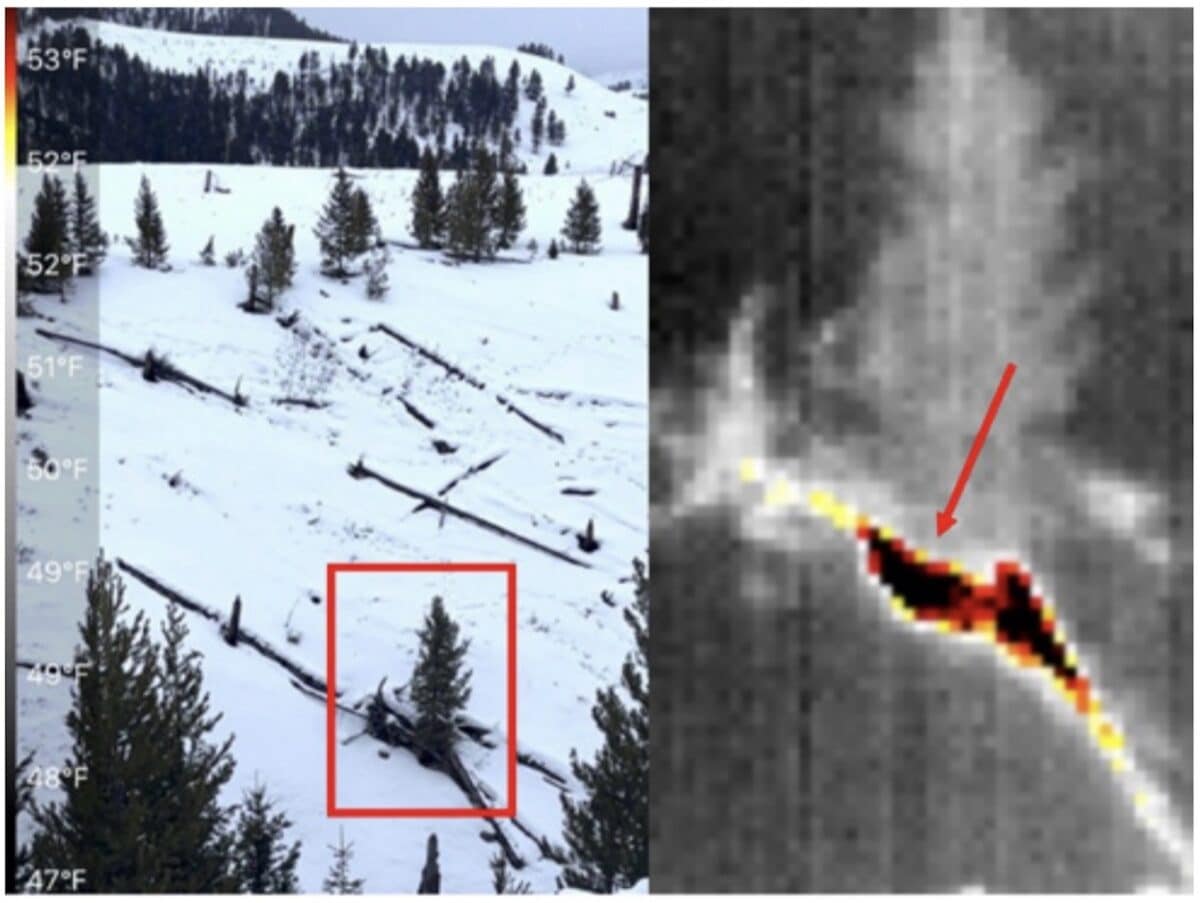
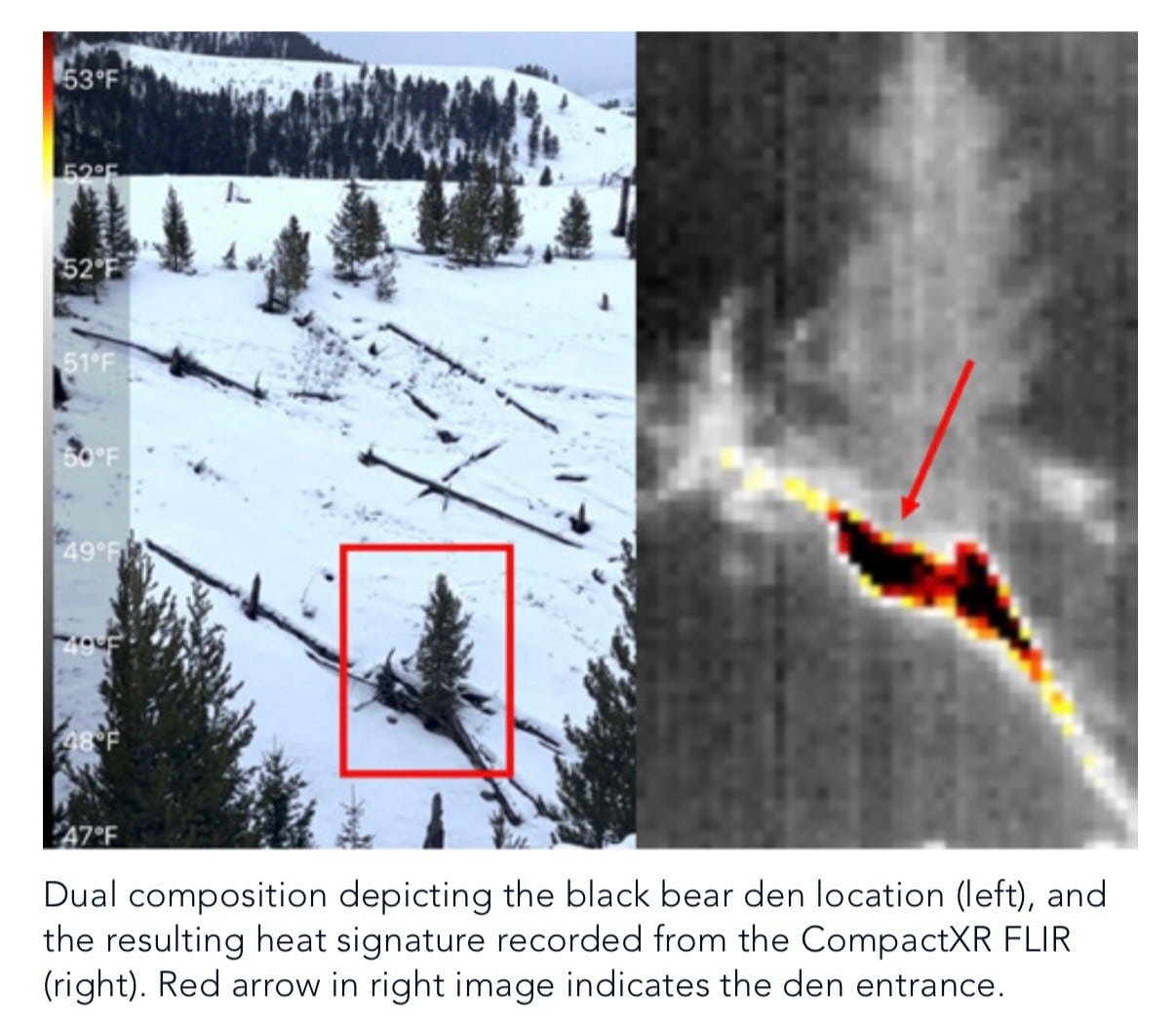
Fascinating thermal imaging of a bear den in Grand Teton National Park with telltale hotspots indicating the bear’s high body temperature contrasted to it’s snowy surroundings.
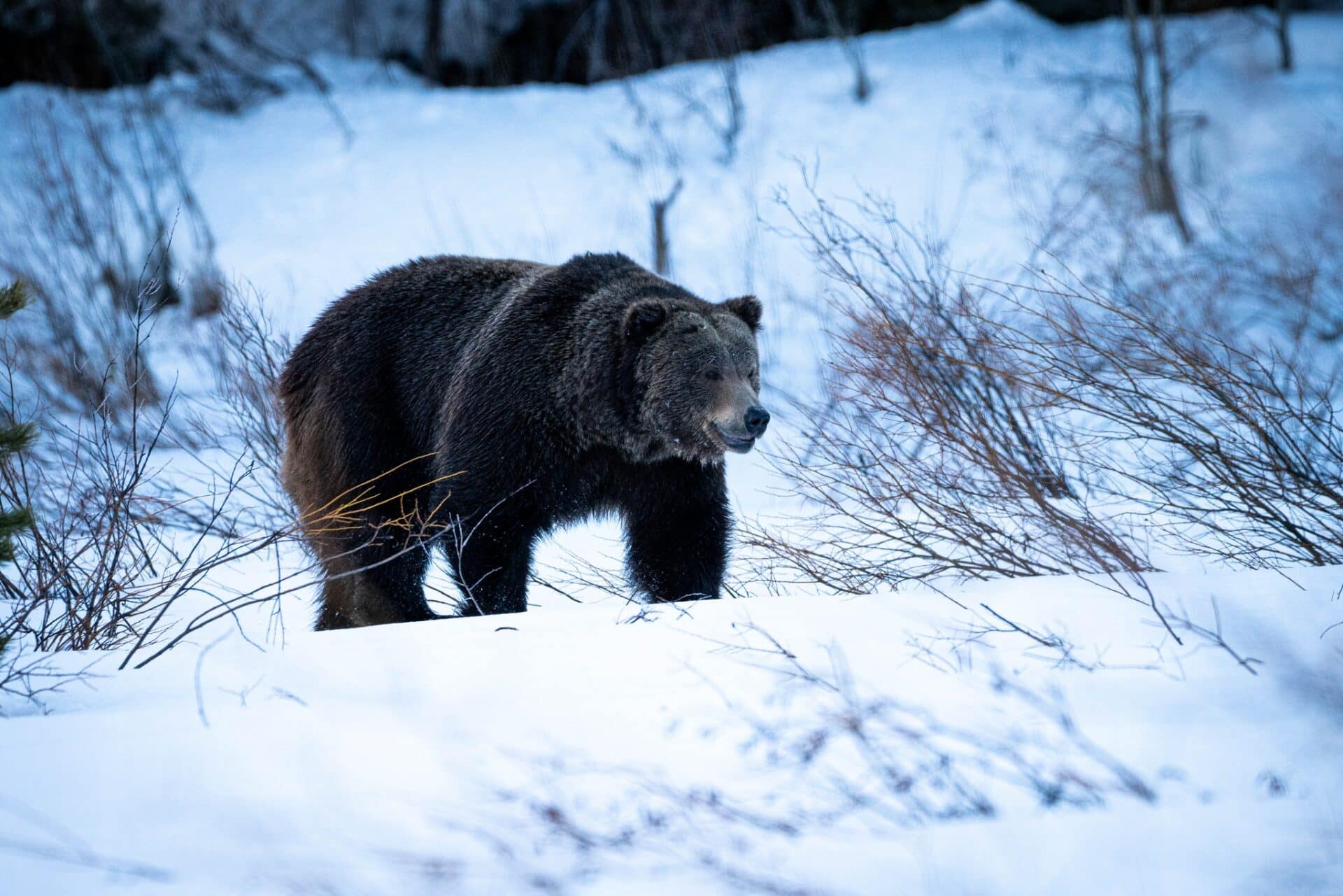
Bears are considered “super hibernators” which means they can survive 4–6 months of winter without eating, drinking, or excreting waste, all while maintaining a relatively high body temperature. Unlike “deep hibernators” bears only lower core body temperatures by only 12˚F, many other hibernators lower their body temperatures much more. Super hibernators still have brain activity due to their warm body temperatures. This allows them to wake easily and react to danger.
Along with the lowering of core temps during hiberation, bears also decrease the respiration cycles as they breathe only once in 45 seconds, compared to their usual 15-20 breaths per minute
“These adaptations allow bears to wake much more easily than other hibernators. Though groggy, bears may exit their den if they are disturbed or when winter weather is moderate. Always be alert to your surroundings and watch for bear sign (tracks and scat) even in winter. If sighted, never approach a bear and maintain at least a 100 yards distance.” –Grand Teton National Park
Learn more about bear hibernation including a detailed explanation of “Super Hibernators” in the below video from Montana Fish, Wildlife & Parks:
NPS Photo/Adams & T. Brasington Thermo Imaging
