

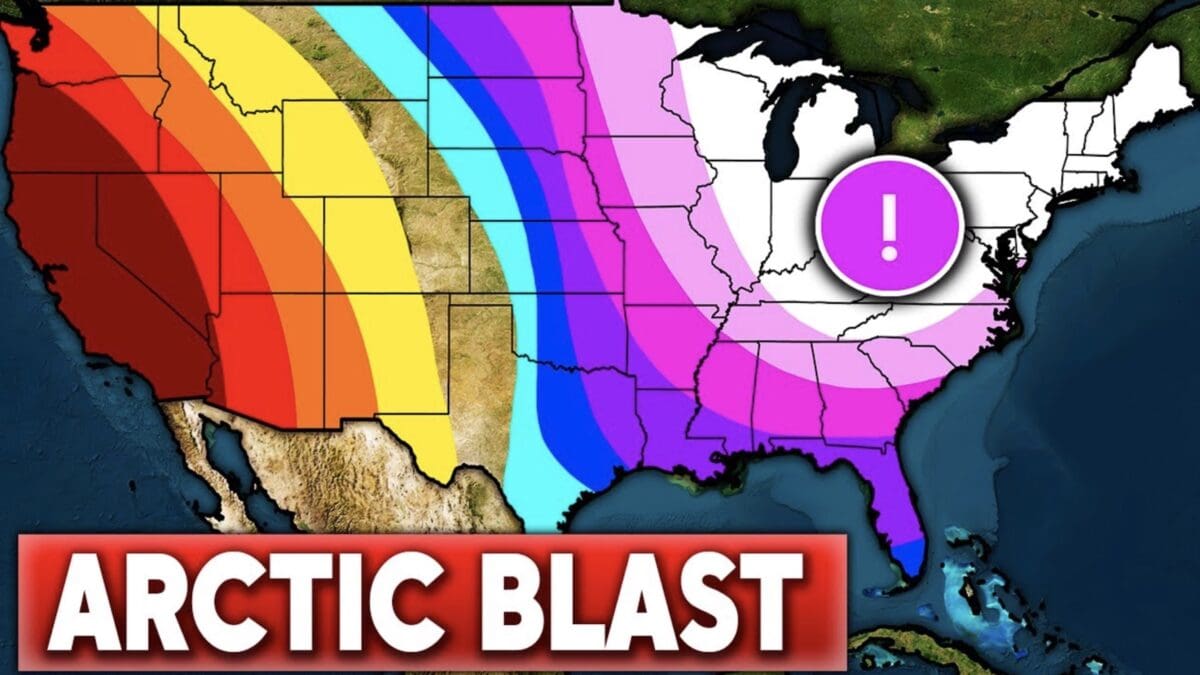
As meteorological fall kicks off on September 1st, Direct Weather’s latest analysis highlights a refreshing shift toward crisp, autumn-like conditions across much of the U.S. With models pointing to significant cool downs, outdoor recreators can anticipate sweater weather arriving earlier than usual, perfect for hiking, leaf-peeping, or other outdoor fall favorites.
The Cooling Pattern Ahead
Direct Weather emphasizes a persistent positive Pacific-North American (PNA) pattern, which funnels warmer air westward while channeling cooler temperatures into the central and eastern states. Starting around September 2nd-6th, expect below-average highs that feel more like late September or early October. Areas from the Plains to the Great Lakes could see lows dipping into genuinely chilly territory, with anomalies of 10-15 degrees below normal widespread.
This follows a current cool spell, but the incoming wave may intensify bringing greens and purples on anomaly maps indicating 15-25 degrees below average in spots like the Dakotas, Minnesota, and Iowa. For the East Coast, a brief warm up mid-week gives way to the front, pulling in crisp air by September 4th-7th.
Model Insights
Both the European and GFS models, along with their ensemble versions, show strong agreement on this trough. The European depicts an early September plunge, with jet stream dives pushing Canadian air southward. The GFS even suggests a third cool wave lingering past September 10th, keeping the East below normal into mid-month.
Direct Weather’s Regional Impacts and Prep Tips
- Central United States: Brace for the heart of the chill. Think room-temperature days and fall football vibes for college kickoffs .
- Eastern States: Cooler relief from summer heat, though the Southeast may mix in thunderstorms.
- West: Warmer than average, contrasting the East’s crisp turn.
While precipitation trends slightly upward but remains below average in some spots, the focus remains on these invigorating temperatures. Ski resorts and fall festival planners, should take note, this could signal an early taste of winter.
