

How a Large-Scale Stratospheric Wind Shift Could Trigger a Colder, Snowier Winter 2025/2026
As we head into the latter half of 2025, weather enthusiasts and forecasters are buzzing about the potential for dramatic atmospheric changes. One key player? A large-scale stratospheric wind shift, often linked to Sudden Stratospheric Warming (SSW) events. Drawing from NOAA’s Climate.gov resources and forecasts, this post looks at how such shifts work, their impact on winter weather, and why they might spell a colder, snowier season for parts of the Northern Hemisphere in 2025/2026. These speculations are part of the winter 2026 forecast.
Understanding Stratospheric Wind Shifts and SSW
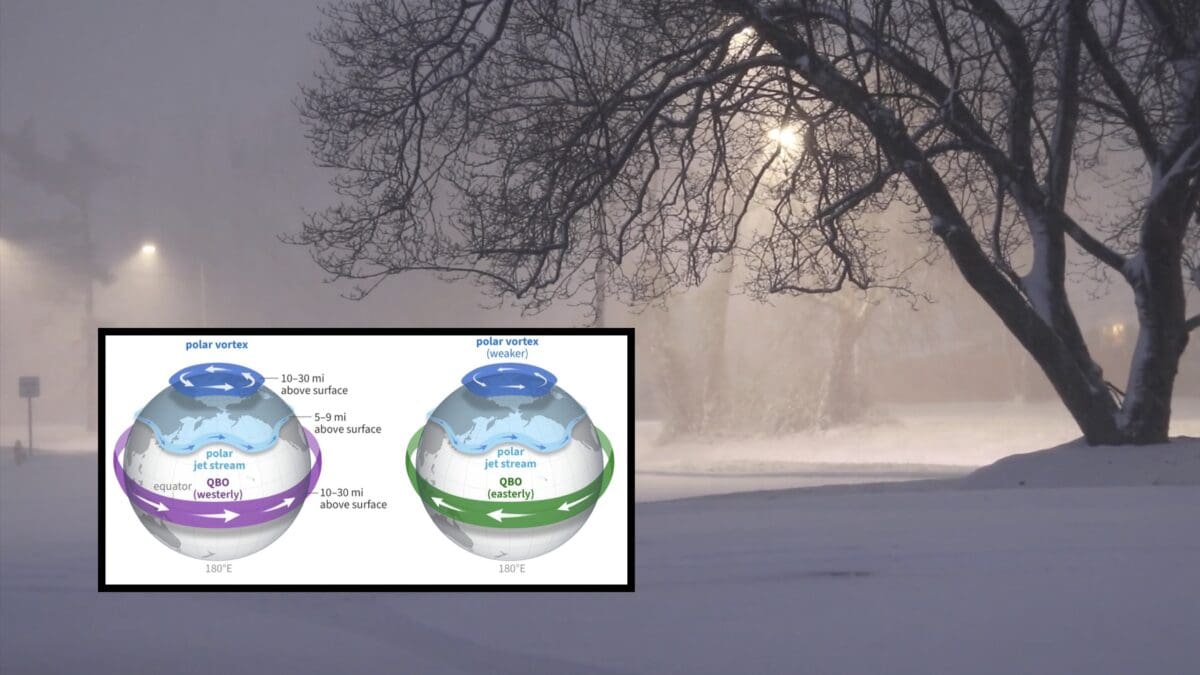
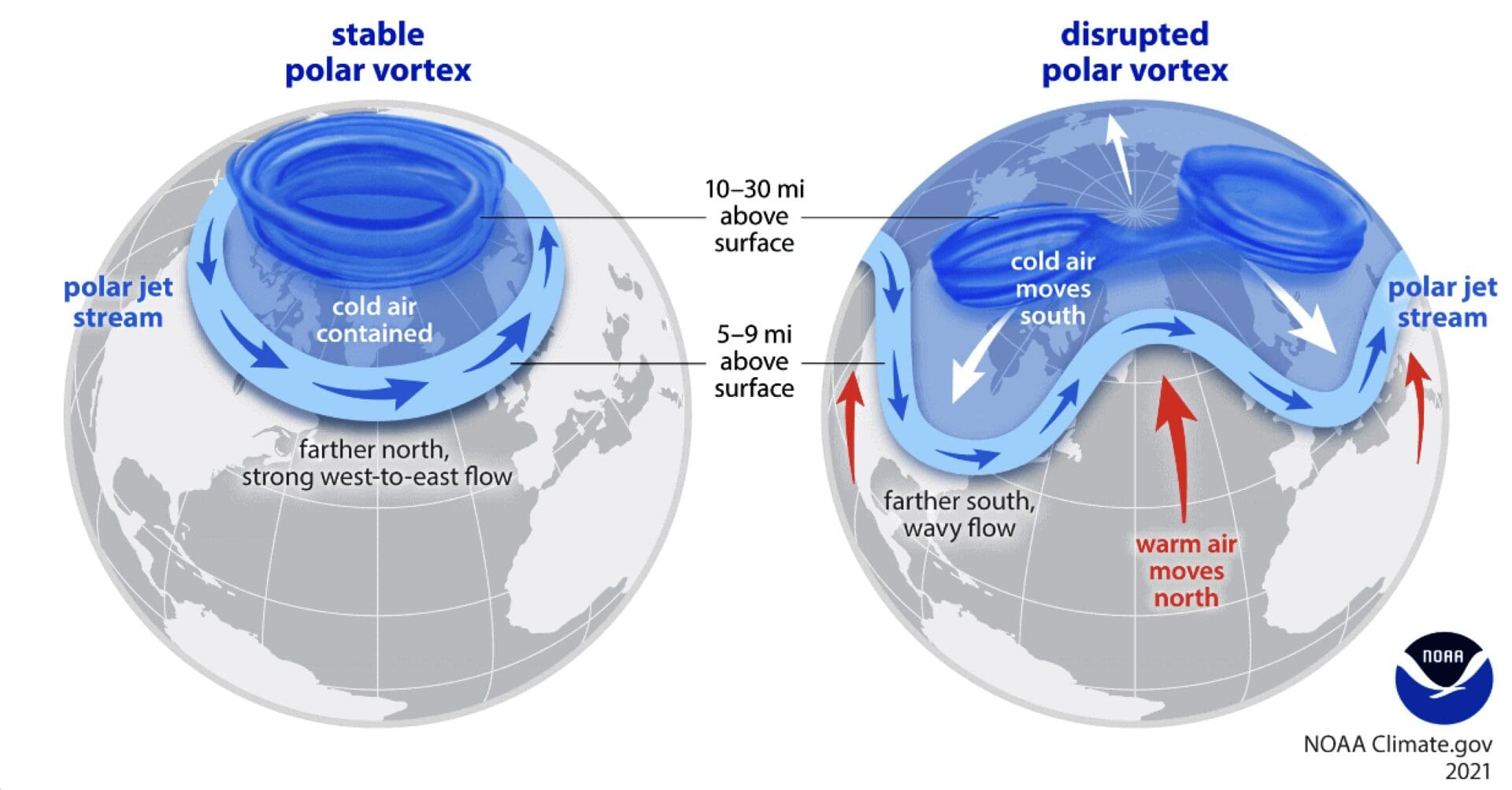
The stratosphere sits about 10–50 km above Earth’s surface, home to the polar vortex—a ring of strong westerly winds circling the cold air over the poles during winter. According to NOAA, a stratospheric wind shift occurs when these winds weaken, slow, or even reverse due to SSW events. During SSW, temperatures in the polar stratosphere can spike by up to 50°C in days, disrupting the vortex.
NOAA explains that SSW starts with large atmospheric waves (Rossby waves) from the troposphere pushing upward, compressing and warming stratospheric air. This can displace, stretch, or split the polar vortex, as seen in events like the early 2021 SSW, where the vortex weakened and led to cold air outbreaks across Europe, Asia, and the eastern U.S. If these conditions persist, they may align with the winter 2026 forecast.

How This Leads to Colder, Snowier Winters
When the polar vortex disrupts, cold Arctic air normally trapped at the poles spills southward. NOAA notes that effects don’t hit the surface immediately—often taking 1–2 weeks or up to 2 months—but they increase odds of extreme cold in mid-latitudes. For instance:
- A weakened vortex can make the jet stream wavier, pushing cold air into regions like the eastern U.S. and northern Europe.
- This setup boosts blocking high-pressure systems, trapping cold air and raising chances of snowstorms, as in the 2018 “Beast from the East.”
- NOAA data shows about two-thirds of SSW events significantly impact surface weather, with split-vortex types (like January 2019) often causing severe cold in North America.
In contrast, a strong vortex keeps cold air locked north, leading to milder winters.
Potential for Winter 2025/2026: Insights from NOAA Forecasts
NOAA’s latest ENSO discussion (as of August 2025) predicts ENSO-neutral conditions through late summer, with La Niña chances rising to about 50% for fall/winter 2025–2026—comparable to neutral odds. La Niña typically reduces SSW likelihood by dampening tropospheric waves that disrupt the vortex, per NOAA analyses. However, neutral conditions could allow more wave activity, potentially increasing SSW risks. This forecast is key for winter 2026 predictions.
Recent NOAA blogs highlight that while exact SSW timing is hard to predict months ahead, factors like persistent tropospheric patterns (e.g., high pressure over the North Atlantic) can amplify waves into the stratosphere. If a major SSW hits mid-winter 2025/2026, it could raise probabilities of colder-than-average temperatures and heavier snow in the eastern U.S., Midwest, and Europe—though outcomes vary by vortex behavior.
NOAA’s seasonal outlooks (via the Climate Prediction Center) emphasize monitoring, as past disrupted vortices (e.g., 2023 SSW) shifted storm tracks equatorward, enhancing mid-latitude precipitation.
What to Watch For
While not guaranteed, a stratospheric wind shift could flip the script on winter 2025/2026. Stay tuned to NOAA updates for evolving forecasts. If SSW signals emerge, prepare for possible cold snaps—stock up on snow gear! For more, check NOAA’s polar vortex blog series on Climate.gov. Expect to find more information about what the winter 2026 forecast might hold in updated resources.
