Montana Fish, Wildlife & Parks’ stated mission is to steward the wildlife and parks of Montana and in that vein they are seeking the general public’s assistance in identifying and reporting a “species of concern.”
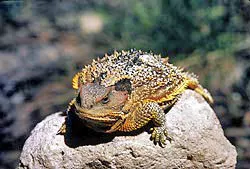
The Greater Short-Horned Lizard goes by many names: horny toad, mountain short-horned lizard, or for the scientifically inclined phrynosoma hernandesi. This small knobby reptile is a master of camouflage in its preferred prairie habitat and is tough to spot with the naked eye making collecting data on their population and distribution a difficult task.
“Many people have never observed one in the wild, and if they have, they may not even know it.” -Montana Fish, Wildlife & Parks
Greater Short-horned Lizards were once considered the second most abundant reptile along the Missouri River in Montana in the late 19th century, second only to the western rattlesnake, but there are major gaps in current population estimates despite considerable efforts by wildlife officials.
“We have been conducting surveys in eastern Montana to try and determine status and distribution as well as fill in data gaps; however, their elusive nature and cryptic coloration make them extremely difficult to locate.” -Nicole Hussey, FWP Wildlife Region 6 Biologist
To help bolster data, Montana Fish, Wildlife & Parks is requesting citizen observations of these lizards to build their database on them. If you do see one, FWP asks you to record the location (include GPS coordinates if possible) and note the date, number observed and take a photo with something in the picture for scale. When you have compiled the requested information you can submit it their online observation survey.
“Remember! While reporting, take only photos of the horned lizards. Do not handle, move or cause harm to the lizards. Horned lizards are intricately tied to their ecosystems and do not survive captivity well. Please leave them where you find them. There is anecdotal evidence of significant declines for this species. This species faces threats from continued habitat loss through land use changes, collection as pets and the invasion of non-native plant species. Greater short-horned lizards are challenging to find during structured FWP surveys. Observations from the public are valuable in determining distribution.” -Montana Fish, Wildlife & Parks


Greater Short-Horned Lizards Characteristics:
Greater Short-horned Lizards (Phrynosoma hernandesi) are exceptionally flat and wide bodied with lots of short horns and because of this appearance have often been called “Horned Toads” but they are in no way toads as they are distinctly reptiles and not amphibians.
They grow up to about 5 inches long as measured from snout to vent. Short, stubby horn-like scales project from the back of the head with a wide gap separating the bases of the two central horns. Several pointed scales project from the back. An exceptionally noticeable line of large horned scales fringes the side of the body between the short legs.
Base coloration can be tan, yellow-brown, orange-brown, reddish-brown or gray and usually matches the soil where the individual lives remarkably well. There are two large dark blotches on the neck and a series of dark blotches down the back. The chin is often mottled gray and the belly may have some yellow-orange or reddish orange but is much paler than the back. The scales on the belly are smooth. The females tend to grow a little bigger than the males. This species was named for Francisco Hernandez Medico, a Spanish explorer who wrote a description of it in 1651.