

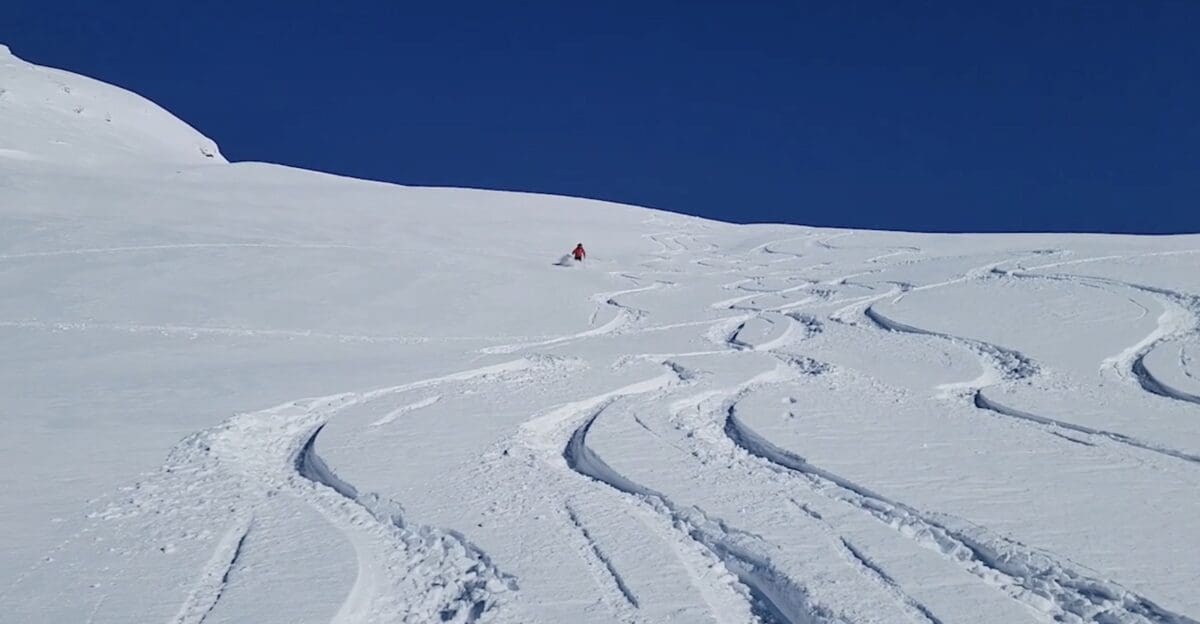
Retired avalanche worker and avalanche educator Bruce Jamieson shared a video discussing the specific conditions that can increase the risk of a persistent slab avalanche being triggered from a thin spot on the slab. The video is heavily detailed and intended for intermediate to advanced backcountry recreators and those who might have a specific interest in avalanche and snow science.
The important thing, of course, is that you always check the avalanche forecast and avalanche bulletin before heading out into the backcountry, in addition to taking the proper gear (beacon, shovel, probe) and knowing how to use it.
Colorado Avalanche Information Center Basic Avalanche Safety:
“Avalanches are possible any time you have snow on a slope. The best thing you can do before you head into the mountains is check the avalanche forecast.
If you are traveling where there isn’t a current avalanche forecast, here are some simple things that will help you avoid avalanches.
- Avalanches are possible when you have snow on a slope steeper than about 30 degrees.
- Most avalanches happen during or soon after a big snowstorm, period of strong winds, or during a thaw (rapid increase in temperature).
- Signs of higher avalanche danger include recent avalanches, cracking in the snow, and audible collapsing. Avoid traveling on or under similar slopes.
If you want to dig deeper, you can view a list of educational resources on our Education Resources page. “
