

Steamboat Springs, Colorado — A failed ski resort project could become federally protected land.
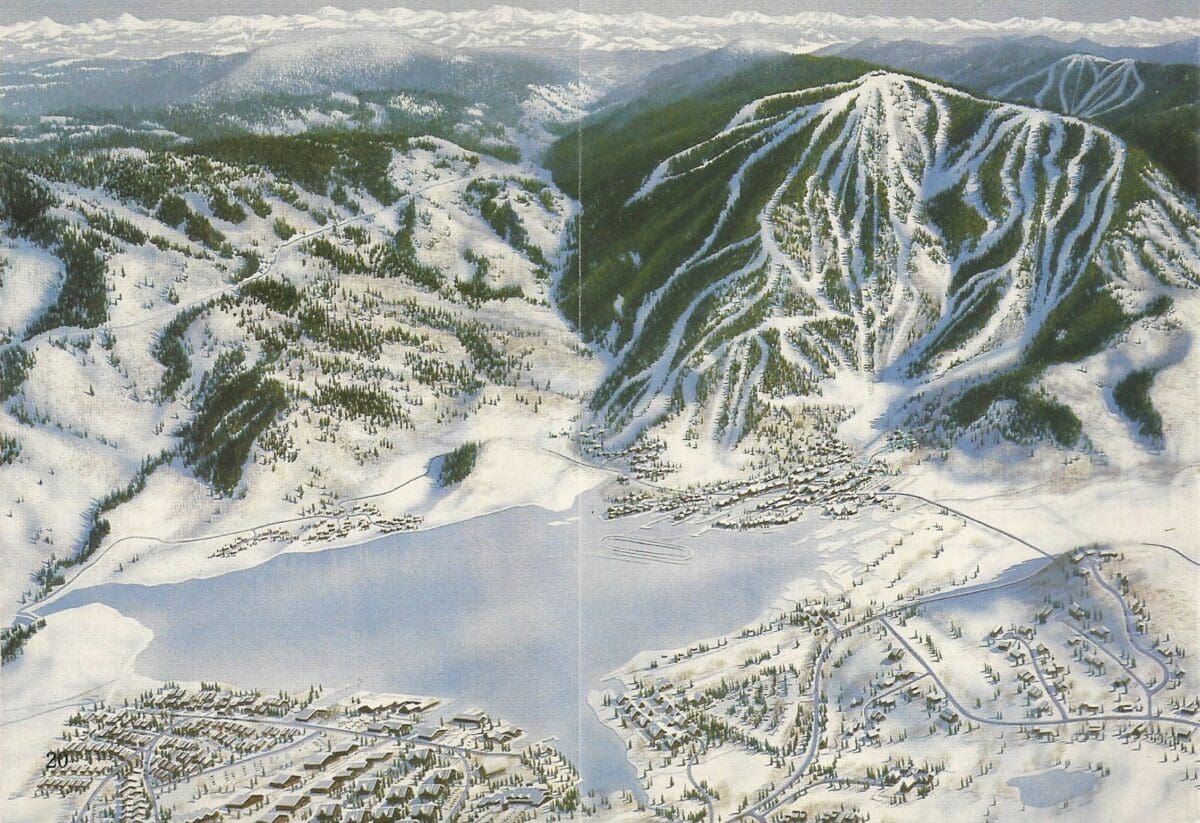
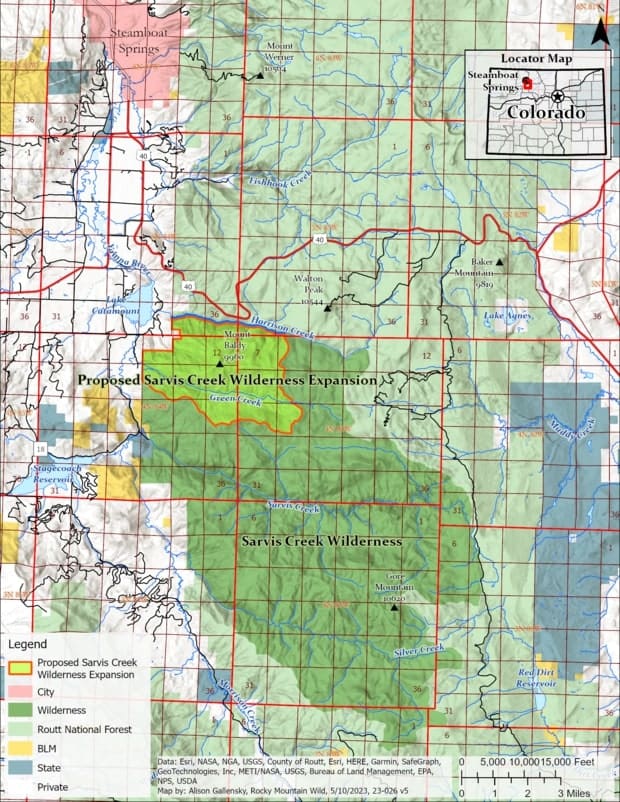
CBS News Colorado reports that a new bill in Congress aims to add 6,817 acres to the Sarvis Creek Wilderness Area of Routt National Forest. This addition would add to the existing 44,556 acres inside the Sarvis Creek Wilderness Area. This chunk of land was reclassified in the 1970s to allow a ski resort to be built there. However, a few parties tried, but ultimately failed, to build a ski resort there over the coming decades.
The first attempt to build a ski resort came in the 1970s when it was pitched as the place to host Men’s Downhill events for the doomed 1976 Denver Olympics. A dam created Lake Catamount, but that was the only part of the development that came to fruition. The developers went bankrupt, and the land remained barren.

The second go-around occurred in the 1990s, with the proposal planning for 14 lifts, thousands of acres of skiable terrain, and many residential units. The plan even got U.S. Forest Service approval in 1993. Their financial backing fell through, though, and it went undeveloped.
After that, the Mueller family, which owned and/or operated Crested Butte, Mount Sunapee, and Okemo before selling them to Vail Resorts, also attempted to develop a ski resort there. However, this never came to life due to the loss of financial backing. Tim and Dianne Mueller aimed to buy a ski resort in Colorado multiple times, bidding on Winter Park and Steamboat, yet came short. They eventually acquired Crested Butte in 2004 instead.
While the land around Lake Catamount has been developed with residences and an eighteen-hole golf course, the grandiose plans for the area never happened. Now, political leaders are aiming to protect the land.
“The Sarvis Creek Wilderness is a destination for outdoor recreation and an ecological gem, with a pristine landscape that is close to Steamboat Springs. Expanding its preservation protects Colorado lands and grows our outdoor rec economy!” -Former Colorado Governor and current U.S. Senator John Hickenlooper
There are numerous benefits to making it federal land. For one, it’ll protect the Harrison and Green Creek watersheds. Conserving these sub-alpine areas means that it’ll keep the water quality pristine. Secondly, it’ll stop the development of the winter range and spring calving areas for 250-300 elk, among other species. Third, it’ll keep public access to various activities, including backcountry skiing, fishing, hiking, and hunting.
Senator Michael Bennet described how protecting this land will benefit Coloradans:
“Colorado’s public lands are a cornerstone of our Western way of life, and for decades, this Northwest Colorado landscape has deserved further protection. Local elected officials, outdoor recreation, agriculture, water and environmental leaders came together to craft this legislation that protects critical watersheds, enhances wildlife habitat and safeguards outdoor exploration for Coloradans. I’m grateful for Senator Hickenlooper’s leadership on this bill, and I look forward to helping move this forward in the Senate.”
According to Congress.gov, the bill has been introduced but hasn’t passed either chamber. The last action came on June 12th, when the Senate Energy and Natural Resources Subcommittee on Public Lands, Forests, and Mining held a hearing to discuss the bill. A key thing to remember here is that this is a divided Congress, so it’s uncertain whether this has a path forward.
It should be noted that this failed development should not be confused with the closed Stagecoach ski area. Despite local concerns, the Discovery Land Company’s plans to redevelop that land into a private ski resort are active and ongoing.
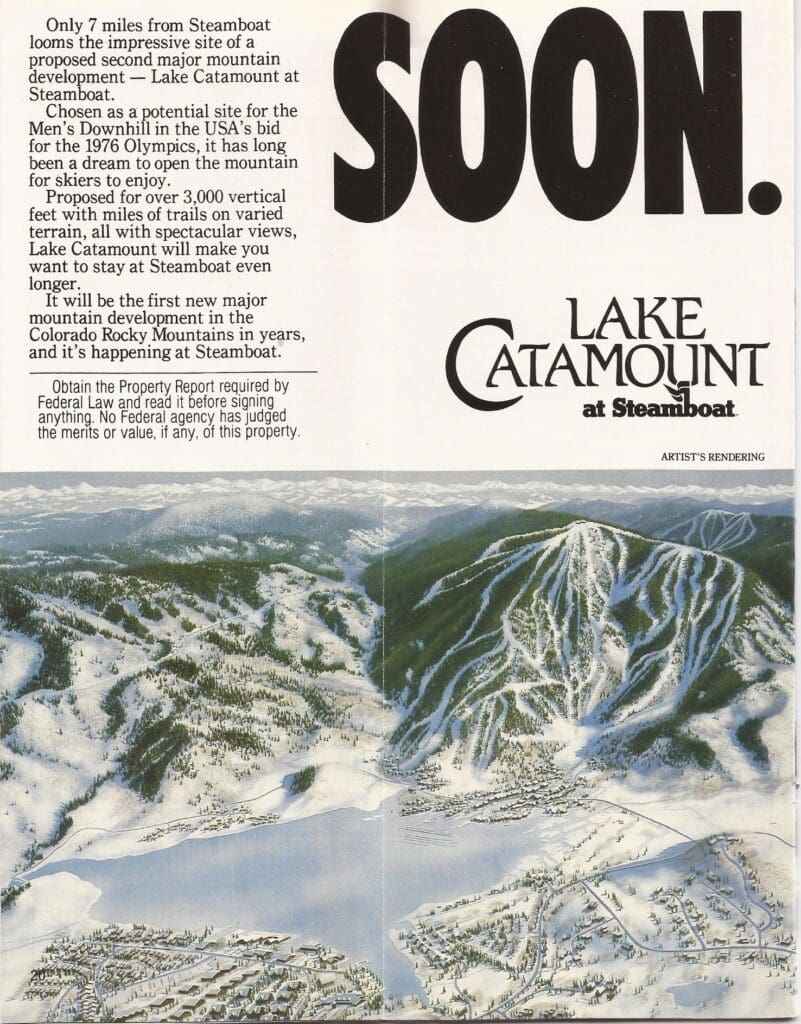
Image Credits: Skimap.org, Rocky Mountain Wild
